

Get more more of our Oncology Dietitian approved recipes, cooking videos, nutrition advice and more, straight to your inbox!
Sign up for our Nutrition Newsletter here.
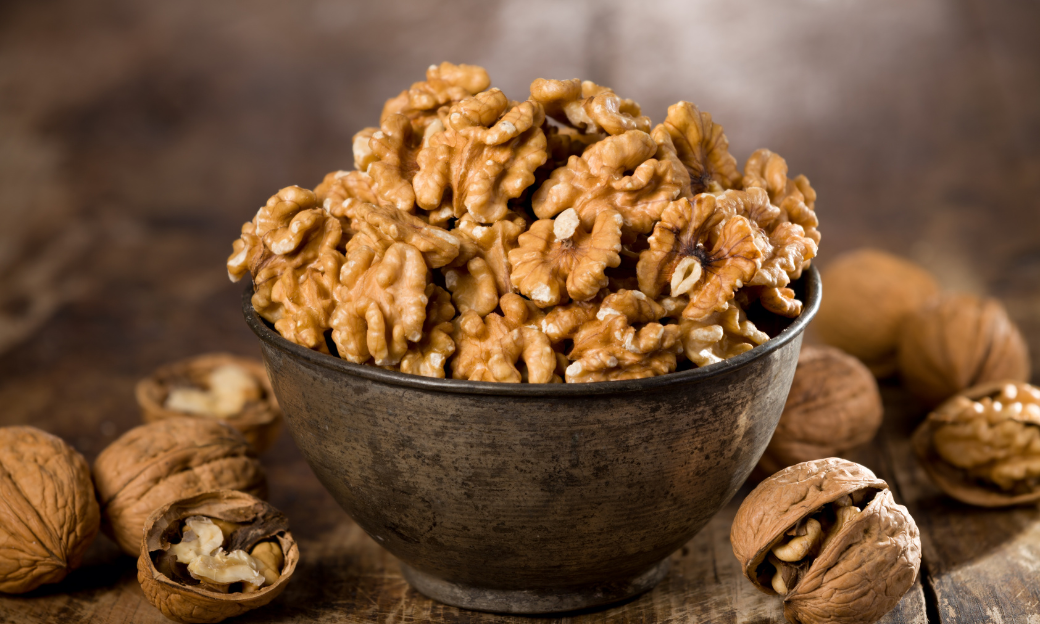
Walnuts
The impressive little walnut is botanically classified as a fruit, but it is technically considered a tree nut. Walnuts were known as the “nut of kings” in ancient Persia; they were once reserved for royalty.
Nutritional benefits include:
All nuts are cancer protective, and walnuts have specific nutrients that are cancer fighting. Gamma tocopherol is a unique form of vitamin Ethat is anti-inflammatory. Walnuts contain mostly polyunsaturated fats, from ALA, that add to their anti-inflammatory properties.
How to enjoy:
Walnuts taste best when stored properly. Keep them in the fridge and sealed tight. Upgrade your baked goods like muffins or cookies with some chopped walnuts. Consider walnuts in your plant-based meals, like a quinoa-bean burger or to add crunch to a bean taco.
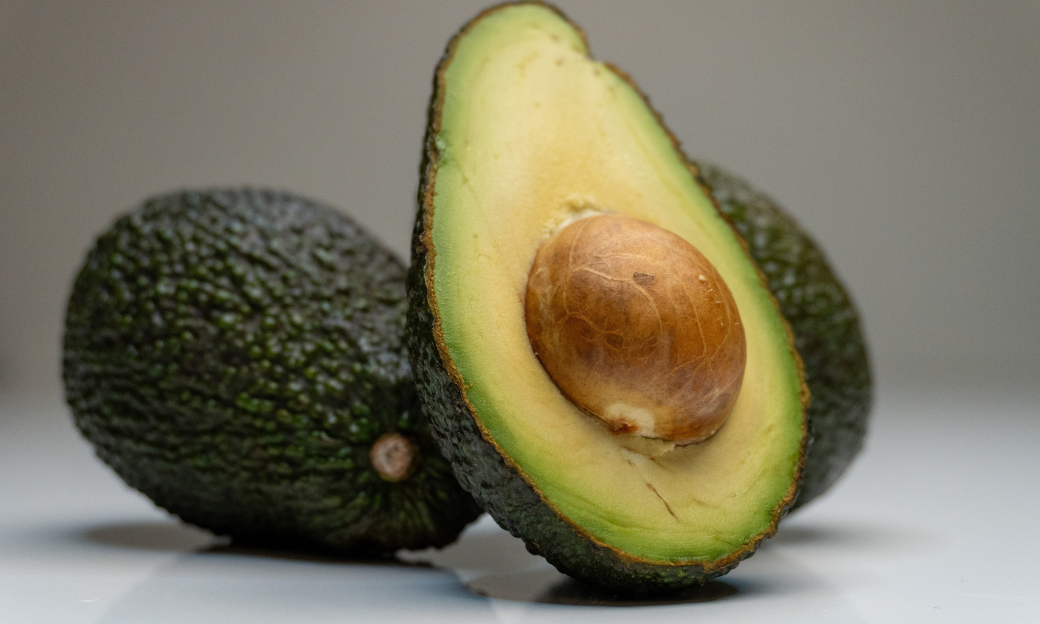
Avocado
When first introduced to the U.S., they were called “alligator pears” due to their bumpy skin. Most people do not know that they are higher in potassium than a banana.
Nutritional benefits include:
Avocado is mostly monounsaturated fat, one of the healthy kinds to enjoy.
Loaded with vitamins A, C, and E as well as mineral selenium. They work as strong anti-oxidants and keep our healthy cells functioning. Avocados also contain phytochemicals lutein, zeaxanthin, and other carotenoids that support healthy skin and eye function.
How to enjoy:
Avocado is a great way to add satisfaction to recipes such as smoothies or in a green salad. Try using avocado as a spread or to replace mayo if you’re making tuna fish or egg salad.
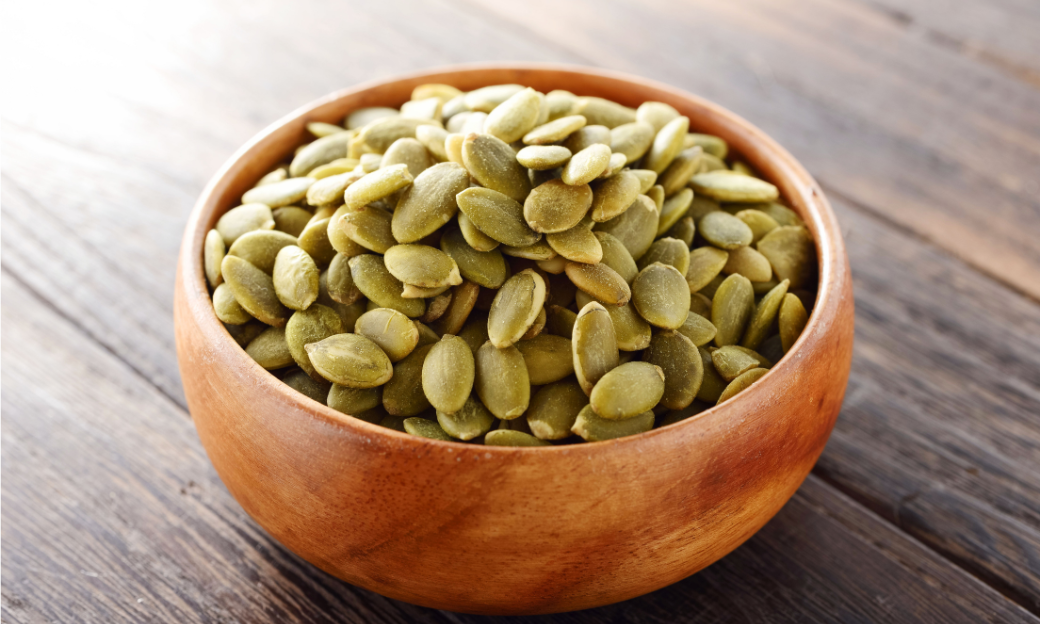
Pumpkin Seeds
Also known as “pepitas” or little seeds of squash. They have been a staple food in North and Central America since 7000 BCE.
Nutritional benefits include:
The healthy fats in pepitas are polyunsaturated fats. They support a heart healthy diet by helping lower LDL.
Packed with magnesium, iron, and zinc to support our immune function. They contain tryptophan, which also aids our immune system and supports a good night’s sleep. A 1-ounce serving provides 8 grams of protein, rounding them out to be a nutritious package!
How to enjoy:
A super versatile seed! While they are delicious in the pure form to snack on, try them in your smoothie, or on top of a soup or salad.
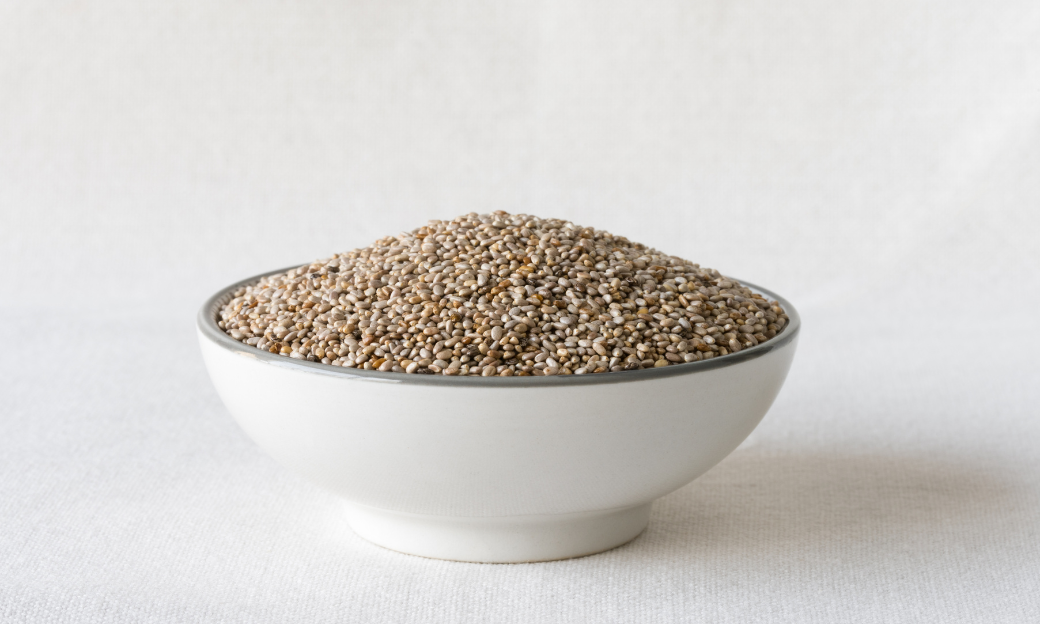
Chia Seeds
They have a mucilaginous quality, or sticky, which make them perfect to retain moisture in many different recipes like baked goods.
Nutritional benefits include:
Chia seeds, like flax seeds, are a powerhouse of fiber and healthy fats. Chia seeds have mostly polyunsaturated fat called ALA. This type of healthy fat possess anti-inflammatory properties.
How to enjoy:
A trendy treat is chia pudding. Simply add milk or a nondairy alternative and stir with add-ins like peanut butter, mashed banana, or diced fruit.
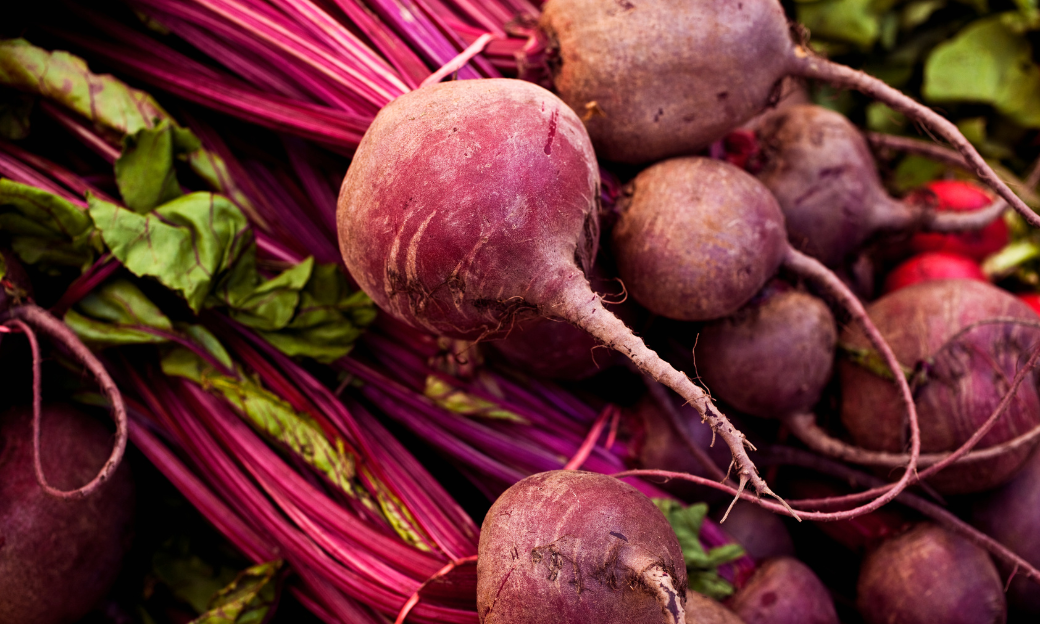
Beets
Since the 16th century, beet juice has been used as a natural red dye. Ancient Greeks used beets medicinally for headaches and wounds, while Romans cultivated them as food, using them as an aphrodisiac.
Nutritional benefits include:
- Folate: helps with cell growth and supports heart health
- Potassium: helps regulate blood pressure
- Magnesium: supports muscle and nerve function
- Fiber: improves digestion and helps manage Type 2 diabetes
Beets contain betaine and betalains (including betanin and vulgaxanthin), which are plant-based pigments packed with antioxidants. They also contain nitrates, which your body turns into nitric oxide. This helps relax and widen blood vessels, increasing blood flow and lowering high blood pressure. This can help reduce the risk of heart disease and stroke.
How to enjoy:
Steaming, roasting and grilling beets are the recommended cooking methods since they retain nutrients. Cook beets quickly and use a minimal amount of water to prevent nutrient loss
Why not try beets in a sweat treat, like red velvet cake?
Plus, their leafy green tops are rich in antioxidants and anti-inflammatory properties and can be sautéed or added to soups and salads.
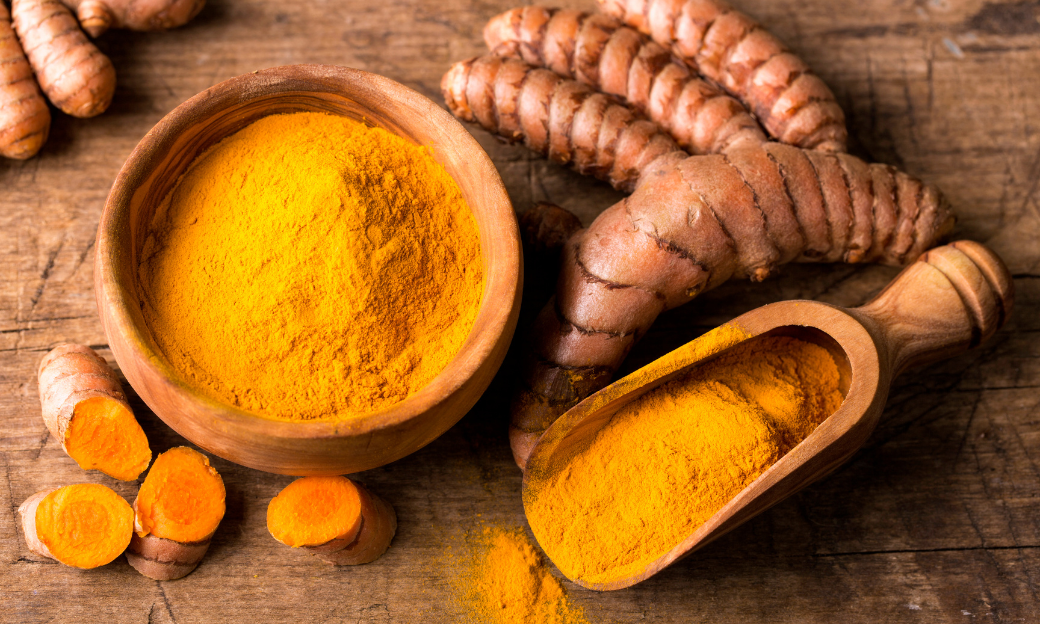
Turmeric
Turmeric is a rhizome like ginger. A rhizome is a root like subterranean stem that usually produces roots below the ground and sends up shoots progressively from the upper surface.
Turmeric has been used for cosmetics for centuries, in fact it is still used in skin creams, soaps, foundations and is said to give a glow to the complexion.
Nutritional benefits include:
The active ingredient in turmeric is a natural compound (polyphenol) called curcumin, which has both antioxidant and anti-inflammatory properties.
Curcumin has many biological activities, not all of which are understood, but Like other colorful plant-based foods, turmeric is rich in phytonutrients that may protect the body by neutralizing free radicals (pollution, sunlight) and shielding the cells from damage.
How to enjoy:
Turmeric is used as a natural coloring agent for some kinds of mustard, and it is an ingredient in curry powder. Brown says she enjoys the earthy flavor of turmeric on its own, and notes that it adds a depth of flavor and a pleasing color to Thai or other Asian dishes, as well as stews and chilis Try adding it to your favorite soup, like chicken noodle!
Or make a simple turmeric tea:
- Lower to simmer for 5 minutes and then strain.
- 2 tablespoons turmeric root chopped or 2 teaspoons turmeric powder
- Bring to a boil in 1–2 cups water
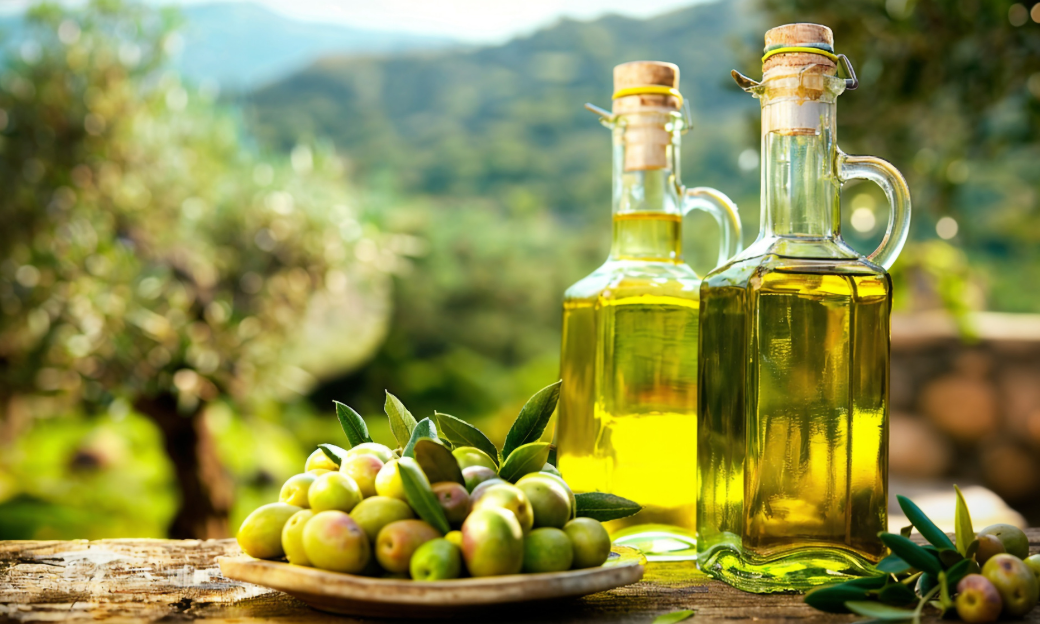
Olive Oil
The olive tree is native to the Mediterranean basin and archeological evidence shows that it was produced as early as 4000 BC. Historically, olive oil was used not only for food, but for medicine, lamp fuel, soap, and skin care.
Nutritional benefits include:
Rich in important nutrients like monounsaturated fats and antioxidants; with more than 200 antioxidants and anti-inflammatory plant compounds, including polyphenols, which may reduce inflammation that can contribute to heart disease, diabetes, and possibly dementia.
How to enjoy:
You can use olive oil simply by drizzling it on salads, soups, pasta, or yogurt for flavor, using it as a healthy substitute for butter in baking or on potatoes, making homemade dressings and marinades, sautéing vegetables, and even dipping bread with herbs and salt for a quick appetizer.
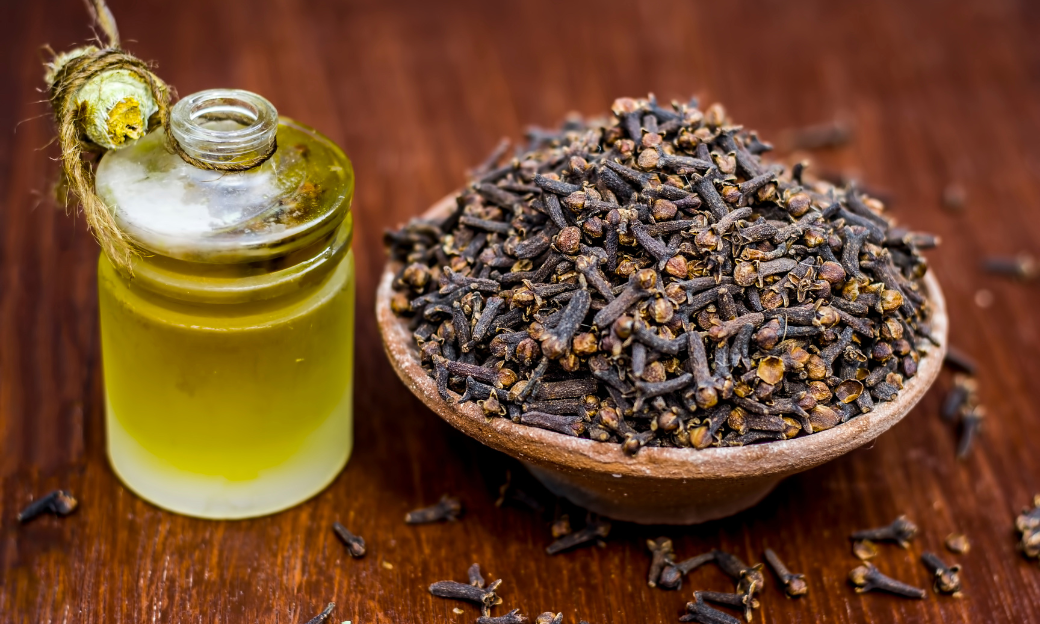
Flax
Flax has been enjoyed for thousands of years throughout the world. The first record of people using flax dates back to5000 BC where burial chambers of southern Mesopotamia displayed flax as an important part of ancient life.
Nutritional benefits include:
Flaxseed contains around 75-800 times more lignans than cereal grains, legumes, fruits and vegetables. Lignans have a chemical structure much like steroids, and have been shown to lower the risk of heart disease, menopausal symptoms and osteoporosis
Lignans may protect us against cancer, specifically breast and prostate, both of which are hormone sensitive cancers.
How to enjoy:
Flax seeds are amazingly versatile. Add 1 tbsp of ground flax seed to your cereal, yogurt, applesauce, casseroles, pasta, or soup. Add ground flax seeds to home-baked goods, such as muffins, cakes, cookies, or breads. Replace other oils and margarine/butter with flax seed oil. Use for salad dressings, marinades, and on potatoes or vegetables.