

Get more of our Oncology Dietitian-approved recipes, cooking videos, nutrition advice and more, straight to your inbox!
Sign up for our Nutrition Newsletter here.
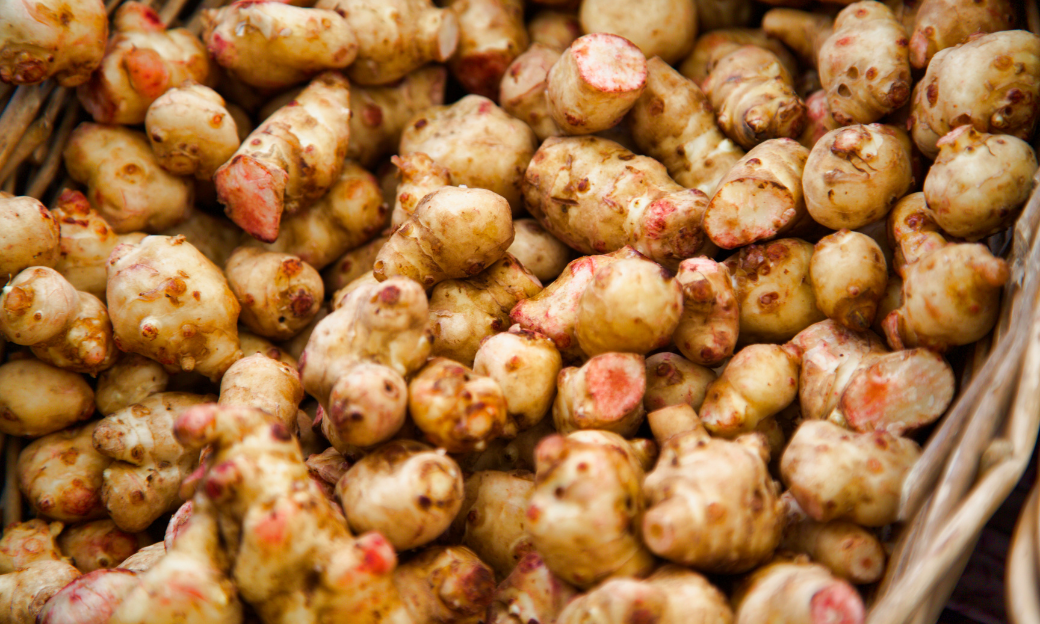
Sun-chokes
Sun-chokes are also known as Jerusalem artichokes because they have a similar taste to an artichoke. Renamed to sun-chokes in the 1960s.
Nutritional benefits include:
A prebiotic fiber that serves as a source of food for the beneficial microbes that reside in our gut. Known to cause gas because of the amount of insulin present, and when eating recommended to avoid “overdoing it.”
How to enjoy:
It tastes sweet and has a crunchy texture, which makes it a delicious addition when raw to salads. Peel and roast them or puree sun-chokes just like potatoes.
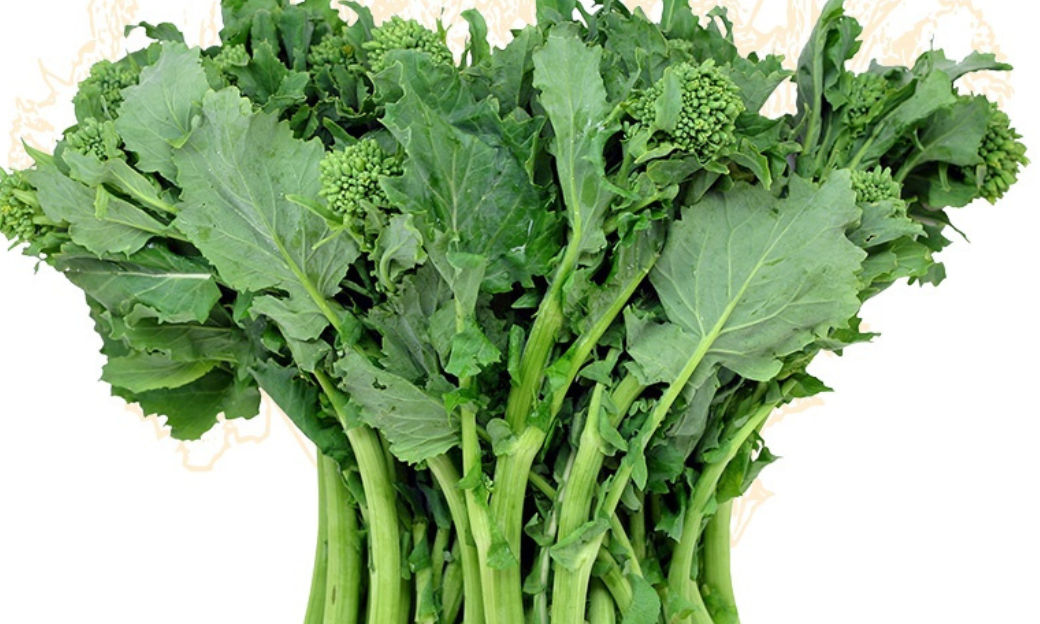
Rapini
Rapini are also known as Broccoli rabe, which despite its name, isn’t just another kind of broccoli.
Nutritional benefits include:
Glucosinolates are a type of phyto-chemical, which has special cancer protective properties. They have been shown in pre-clinical studies to turn on the tumor suppressor gene.
How to enjoy:
Deep green color and pleasantly bitter, rapini can be sautéed, boiled, steamed grilled, and even roasted. Best to consume within 2-3 days of buying because it is highly perishable and becomes more pungent and bitter with time.
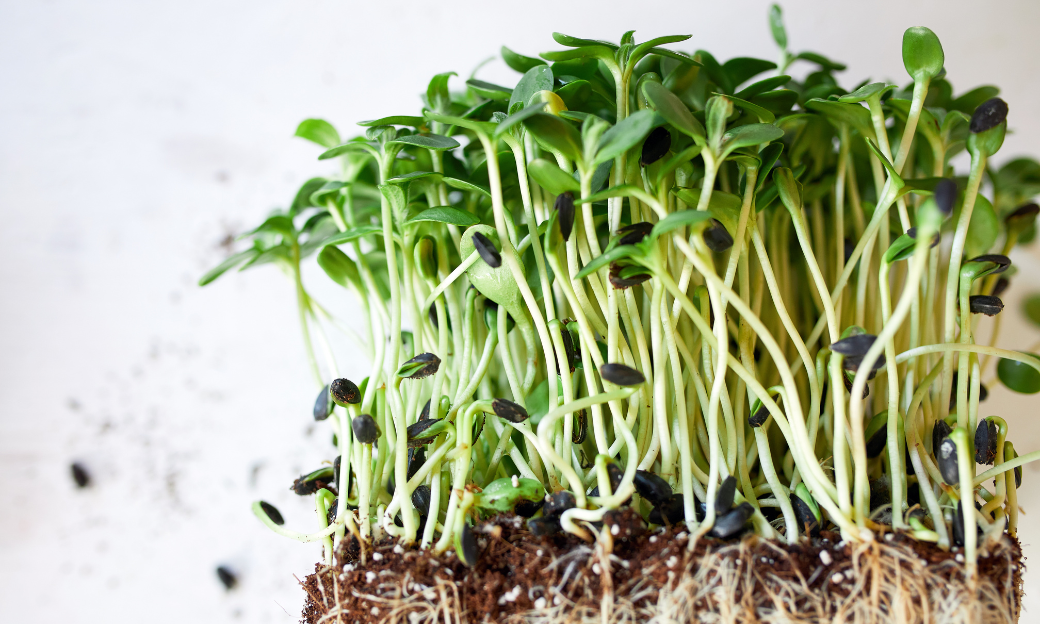
Sprouts
Sprouts are almost any seed can be sprouted, but most available at farmers markets or grocery stores are either bean or alfalfa sprouts.
Nutritional benefits include:
A concentrated source of vitamin C and folate and also contain iron and manganese. Vitamin C supports our immune system while folate is an important B vitamin that ensures cells replicate properly.
How to enjoy:
Sprouts retain the characteristic flavors of their parent plant, for example pea sprouts are sweet and mild, while radish sprouts are a tad spicy. They are great to top salads and sandwiches with.
Sprouts are a high-risk food for food borne illness, and anyone with immune-compromise is advised to avoid eating raw sprouts.
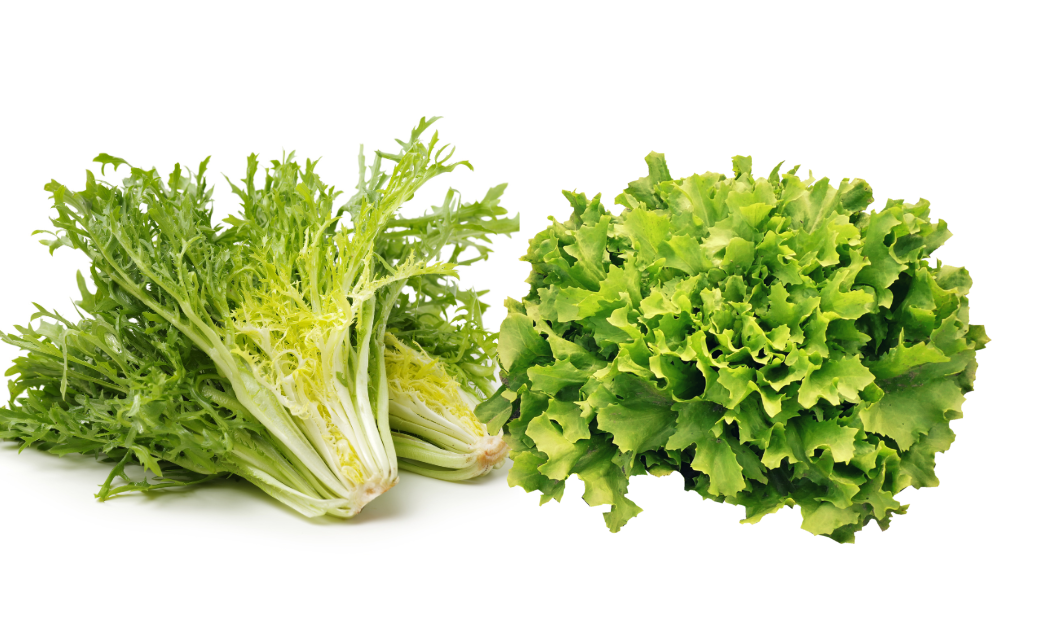
Chicories & Endives
Chicories and Endives are a group of bitter greens that include radicchio, chicory, escarole, curly endive, and others. They are all bitter, leafy vegetables available in cold weather.
Nutritional benefits include:
Packed with many vitamins and minerals. Most have vitamins A, C and K, as well as minerals calcium, iron, potassium, and zinc.
Chicory contains lactucopicrin, which reportedly acts like a sedative and analgesic.
How to enjoy:
Typically enjoyed raw in salads, but also delicious when braised, grilled, steamed, or sautéed. They pair well with assertive flavors like garlic, lemon juice, and chilies.
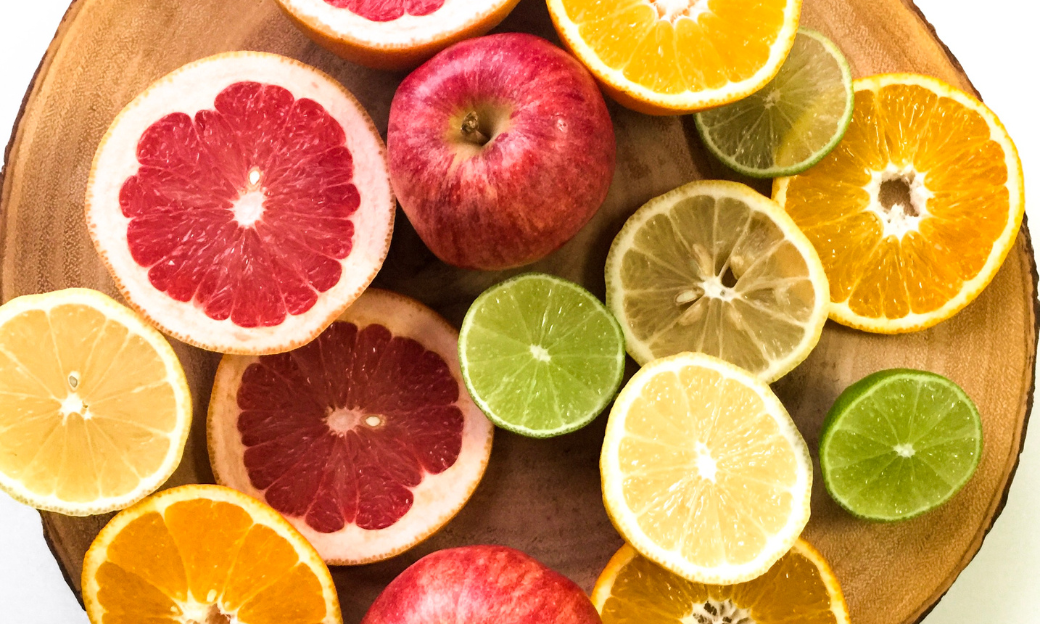
Citrus Fruits
Citrus fruits are in season during the winter months, which welcomes bright and golden flavor at the perfect time. Sumo citrus is a hybrid of a mandarin orange and is deliciously sweet. It is only available for a short season this time of year.
Nutritional benefits include:
Vitamin C is an essential nutrient to support our immune system.
Terpenes are present in the peel of citrus may help decrease the growth of cancer cells
How to enjoy:
Stay fresh for up to 3 weeks in the fridge, making them a great choice to keep on hand.
Try orange or orange zest in your savory meals, like a spinach salad or zested into a grain dish.
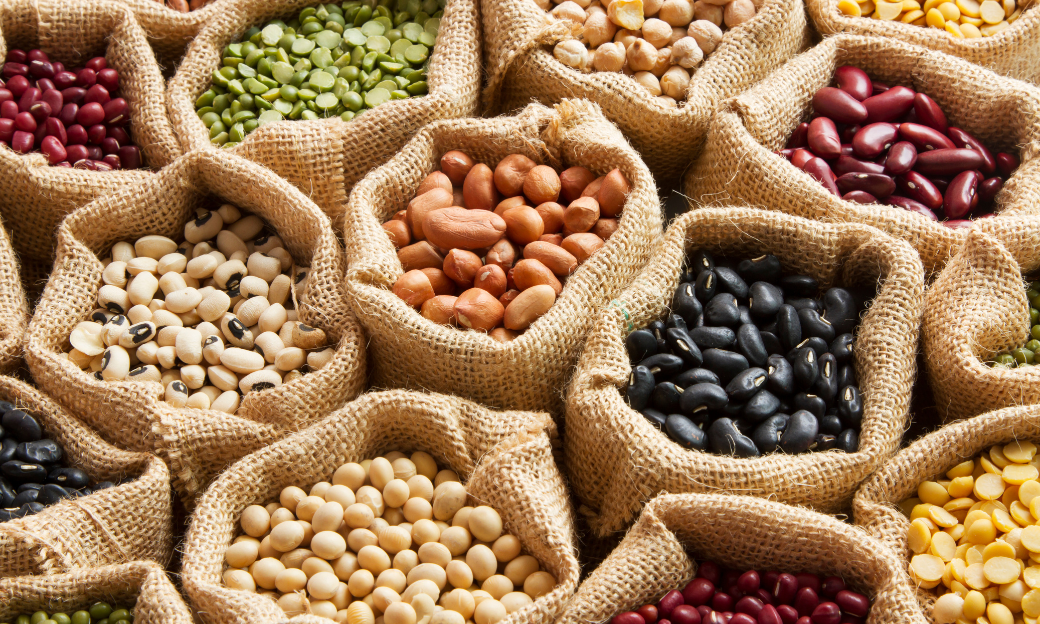
Legumes
You probably noticed that beans and lentils are classified as a member of both the vegetable and protein families. They are excellent sources of plant protein, and also fiber and many of the nutrients found in vegetables. Consider the choices of legumes as being the best of both worlds for nutrition!
Nutritional benefits include:
Resistant starch is fermented by microbes living in our gut, which helps support their growth.
Saponins are compounds that inhibit oxidative stress, inflammation, and growth of cancer cells while promoting their self-destruction.
How to enjoy:
Reduce sodium by rinsing and draining canned beans and lentils; or opt for canned choices without added salt. Beans can be easily added to stews, soups, casseroles, combined with whole grains or in salads.
To reduce gas-producing substances, soak longer, then discard the soaking water and use fresh water for cooking.
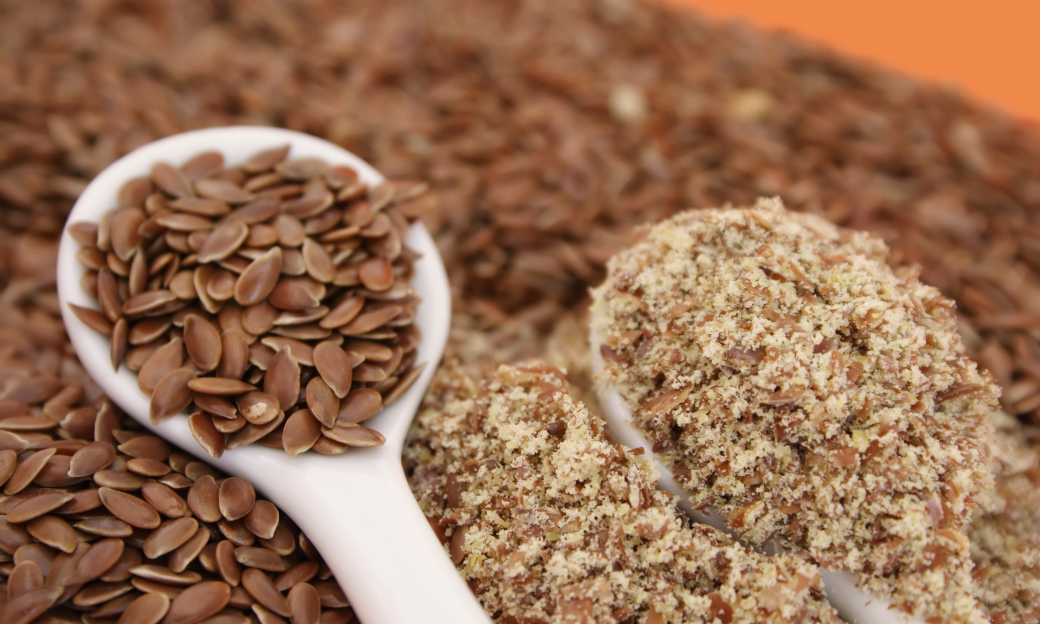
Flax Seeds
Flax seeds are also known as linseed and is a flowering plant with many diverse uses for thousands of years. It was first used as a thread and made into linen cloth before the growth of the cotton industry.
Nutritional benefits include:
Fiber to support gut health, control blood sugars, lower estrogen, and sustain fullness levels.
A plant source of omega 3 fats, which are important in regulating and lowering inflammation in the body.
Lignans help to stimulate enzymes that detoxify carcinogens.
How to enjoy:
It’s easy to sprinkle flax seeds into things you already eat, like a smoothie, oats, on top of a salad or in soup. Make sure to opt for ground flax seeds to get the lignans that we otherwise can’t obtain from the whole seed.
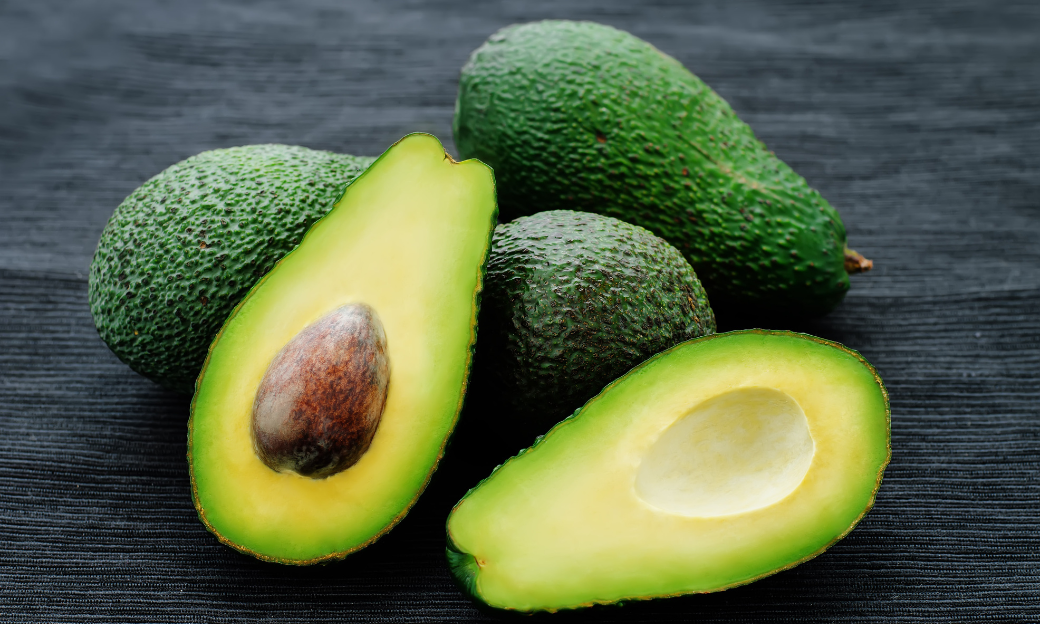
Avocados
Avocados are botanically a fruit, the avocado contains an impressive amount of nutrients including fiber and vitamins C, E, and K.
Nutritional benefits include:
More than ½ of the fat in avocados is monounsaturated fat, which can help lower the “bad” cholesterol in your blood.
Contain phytosterols, which are naturally occurring substances that help to block the absorption of cholesterol.
How to enjoy:
More versatile than you might realize! Avocado shine on their own on top of toast or in a salad but provide flavor and nutrition in a smoothie or made into ice cream.
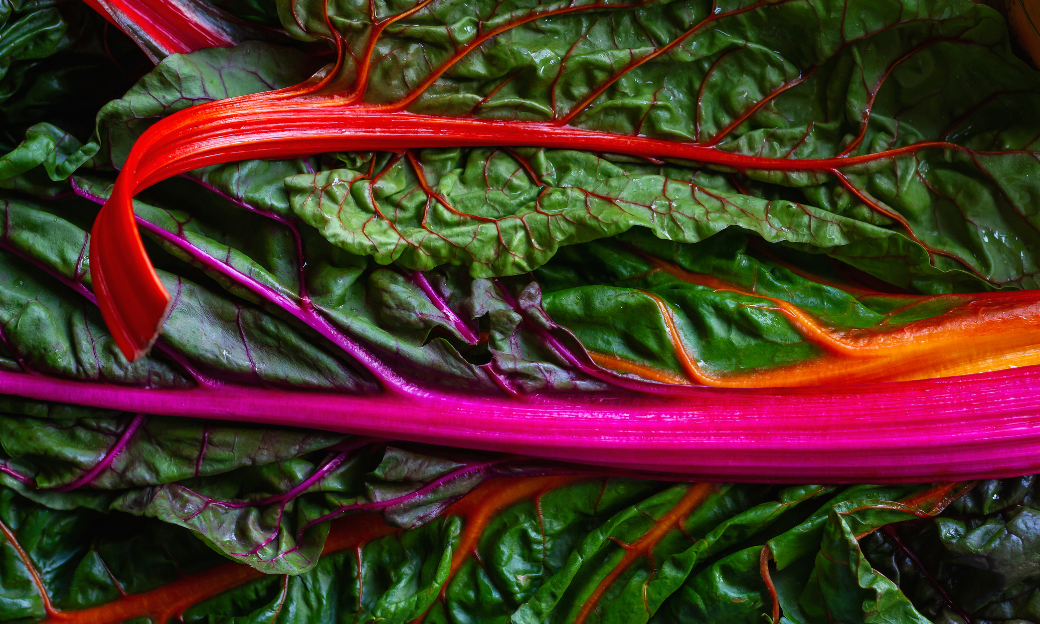
Swiss Chard
Did you know that Swiss chard is technically a type of beet that does not produce an edible root? This green leafy veggie is native to the Mediterranean, it was a popular food even before the days of the Roman Empire.
Nutritional benefits include:
Swiss chard is an excellent source of vitamins A and K and a good source of vitamin C and magnesium.
Also contains the antioxidants beta-carotene, lutein, and zeaxanthin. These carotenoids are potent antioxidants but also phytochemicals that support our immune system.
How to enjoy:
Try pickled Swiss Chard with deviled eggs at Mahjong!
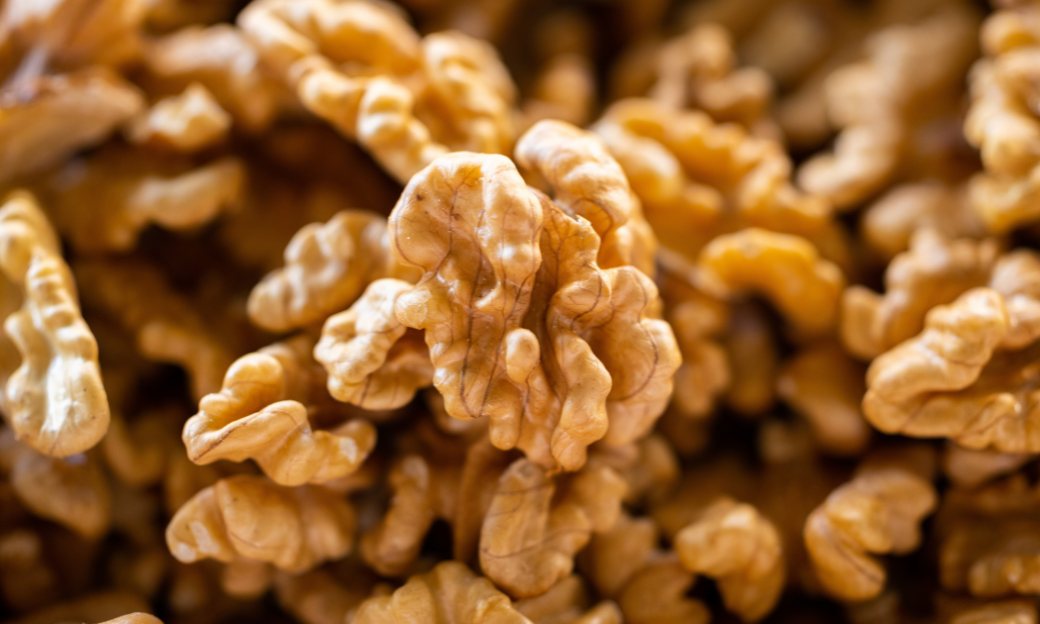
Walnuts
Walnuts have a formidable shell that resembles a human head, so ancient Greeks referred to them as karyon (meaning head). Crack open that tough exterior and you’ll find a bumpy textured meat that bears a marked resemblance to the brain.
Nutritional benefits include:
Emerging research shows potential for walnuts to contribute to a cancer-preventive diet through several compounds possibly working together.
Ellagitannins, melatonin and gamma-tocopherol may each work through different paths to reduce oxidative stress, inflammation, and gene expression that can lead to cancer.
How to enjoy:
DIY trail mix with air popped popcorn, high fiber cereal, and freeze-dried fruit for a portable snack while hiking.
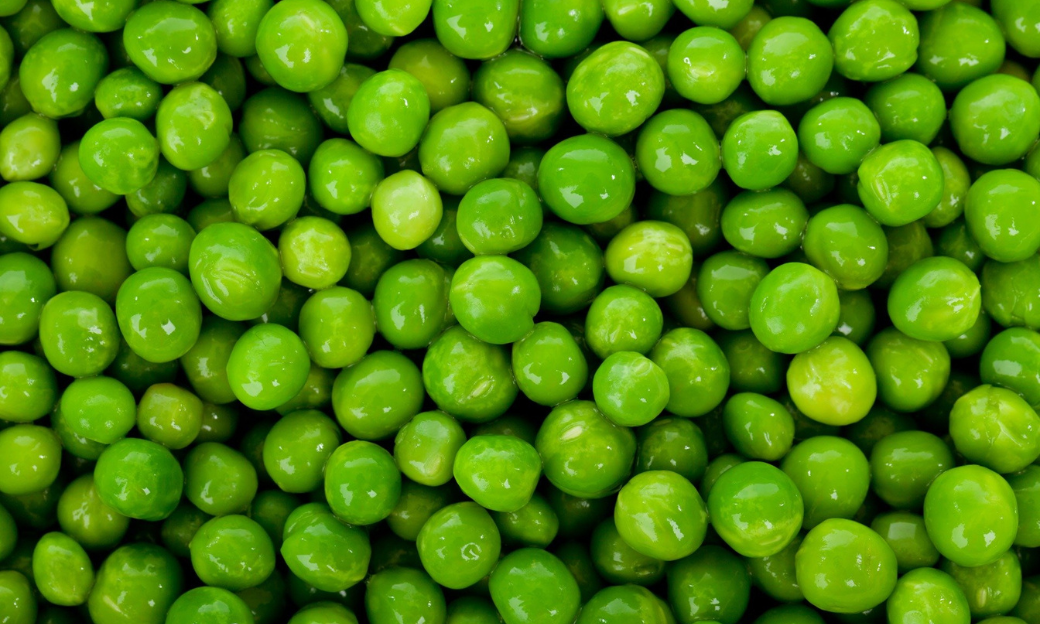
Peas
Gregor Johann Mendel (1822-1884), an Austrian monk, worked with peas in laying the foundation of the modern science of genetics.
Nutritional benefits include:
A package of nutrients are found inside peas. They provide a good source of fiber which helps support gut health, regulate blood sugars and our appetite, and linked with lowering the risk for colorectal cancer.
How to enjoy:
Serve smashed avocado and green peas on toast at your next Canasta gathering.
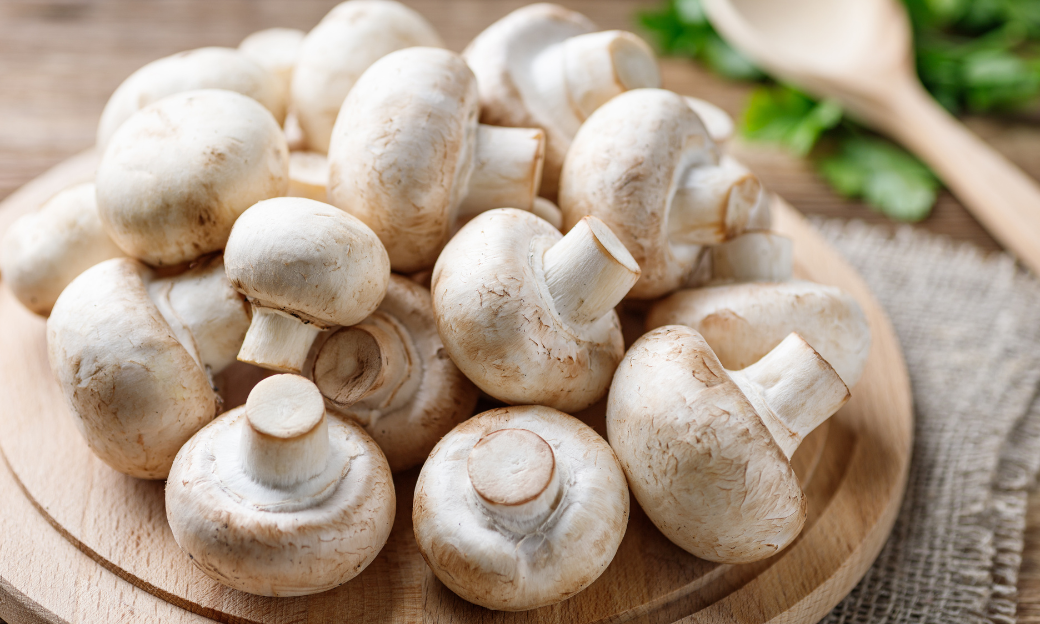
Mushrooms
There are over 14,000 known species of mushrooms, and they come in a variety of shapes, sizes, and colors. From the familiar white button mushroom to the exotic shiitake and portobello varieties, there’s a mushroom to suit every taste.
Nutritional benefits include:
Mushrooms are a great source of nutrients, including B vitamins, vitamin D, and minerals such as selenium and copper.
Selenium works like an antioxidant and some studies suggest that seleniumin food may have a protective effect against certain types of cancer, such as prostate, breast, and colon cancer.
How to enjoy:
Enjoy mushrooms roasted on a flatbread during our Stand-Up Comedy Night.
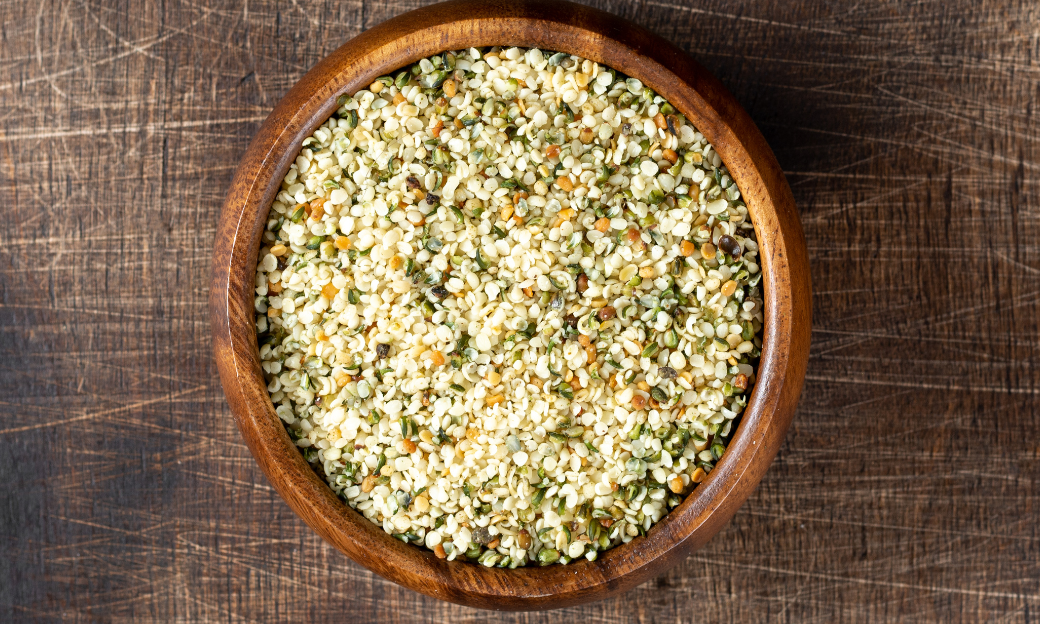
Hemp Seeds
Hemp seeds, or hemp hearts, are the seeds of the hemp plant, or Cannabis sativa, and is one of the earliest domesticated plants cultivated by many civilizations for more than 12,000 years.
Nutritional benefits include:
One ounce of hemp seeds contains a shocking 10 grams of plant-based protein and over 40% of the magnesium we need every day.
Hemp seeds also contain B vitamins and healthy fats include omega 3 fats.
How to enjoy:
Sprinkle on top of your peanut butter or avocado toast. Stir into your favorite quinoa or other whole grain side dish.
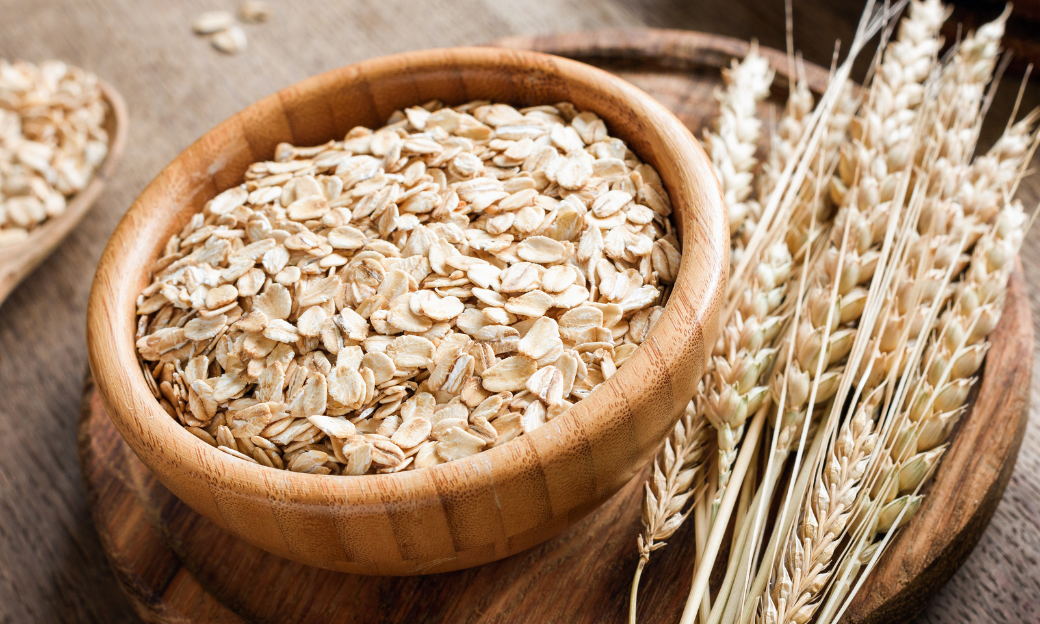
Oats
Oats were one of the earliest cereals cultivated by man. They were known in ancient China as long ago as 7,000 B.C. The ancient Greeks were the first people known to have made a recognizable porridge (cereal) from oats.
Nutritional benefits include:
Oats give us magnesium, zinc, vitamin E, and protein. They contain special fibers called beta glucans that are especially nourishing for the beneficial microbes in our gut. The complex carbohydrates provide us to increase satiety when eating and stabilize our blood sugars.
How to enjoy:
It’s no wonder 80% of households have oats in their pantry. Oats are a versatile ingredient that can be used as a breading when ground for proteins, or as a binder in homemade bean or turkey burgers.
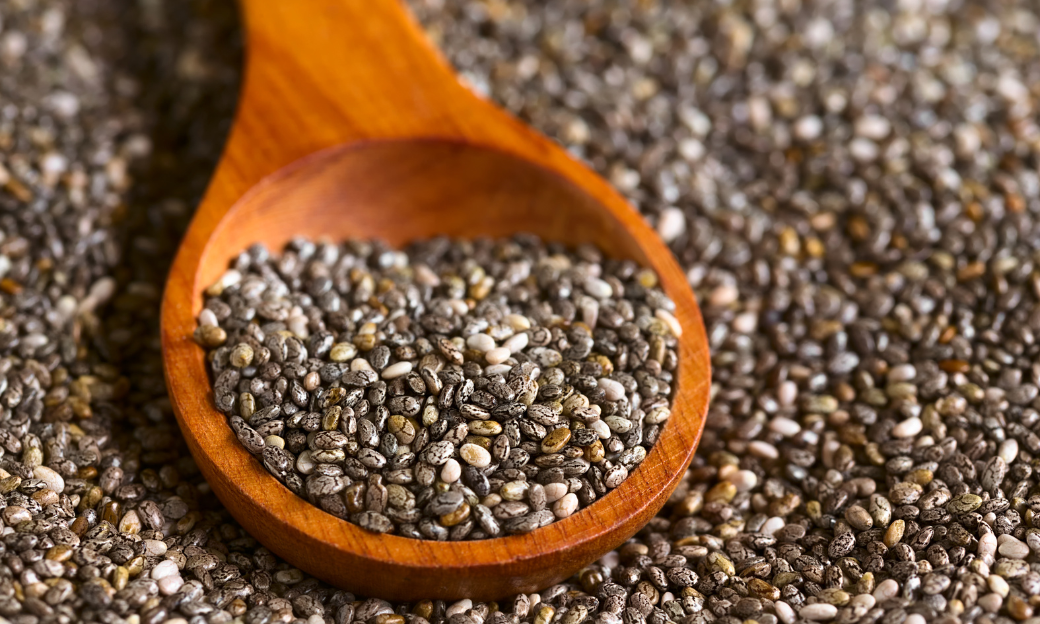
Chia Seeds
Aztec warriors ate chia seeds to give them energy and endurance.
Nutritional benefits include:
A powerhouse of nutrition in tiny seeds! Chia contains omega 3 fats, which help to reduce inflammation in the body. Just 1 oz. of chia seeds provide 25% of the daily requirement for magnesium.
How to enjoy:
Sprinkle chia in your hot cereal, in yogurt, or into your smoothie. Soak chia seeds overnight in your favorite dairy or alternative for a delicious pudding the next day.
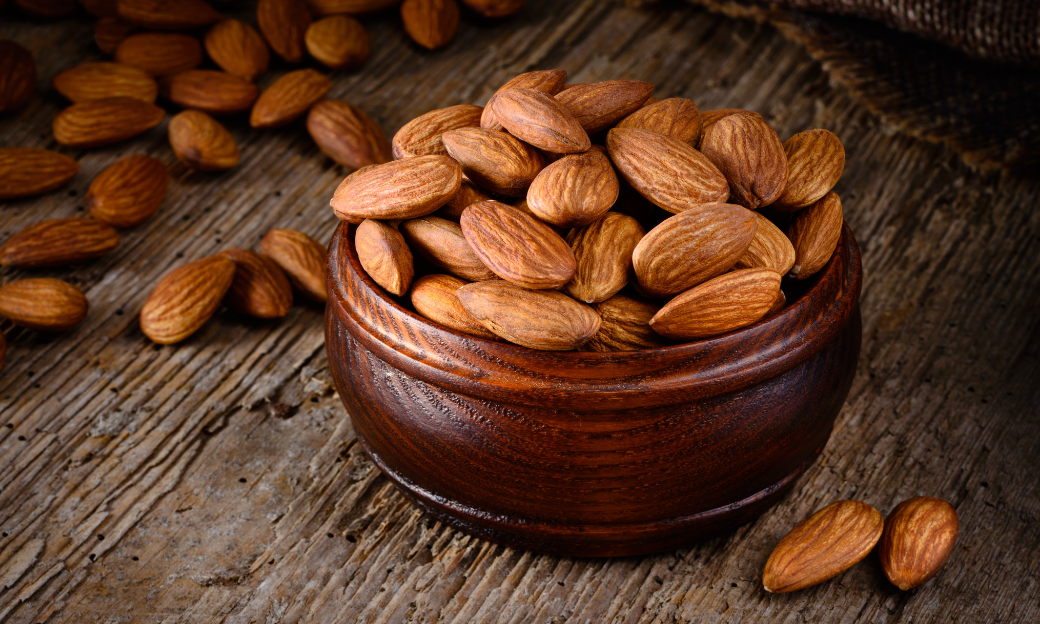
Almonds
Almonds are in the rose family and are often called “the queen of the rose family.”
Nutritional benefits include:
Almonds have it all! Packed with protein, fiber, vitamin E, potassium, calcium, and magnesium.
How to enjoy:
A great portable snack to enjoy after a walk with friends or in your bag for an emergency snack.
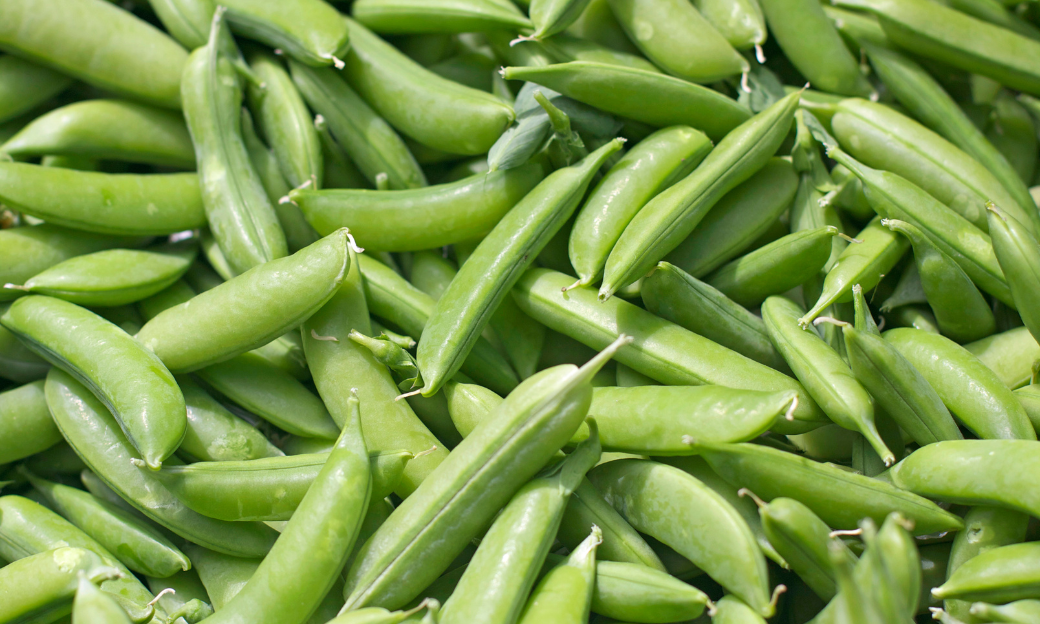
Snap Peas
The French term for sugar snap peas is mangetout, which means “eat it all”. Or meaning that we can eat the entire pod!
Nutritional benefits include:
Rich in fiber and contain several nutrients, most notably Vitamin C, Vitamin A, folate, Vitamin K, iron and manganese. They contain a bit of protein and even some calcium.
How to enjoy:
Is there a better snack to healthily satisfy what seems like a basic human need for crunchy foods?
Snap need minimal embellishment: their sweet, green pea-taste and super crisp texture. Of course, they also taste great when tossed into a stir-fry, added to a salad or pickled in brine!
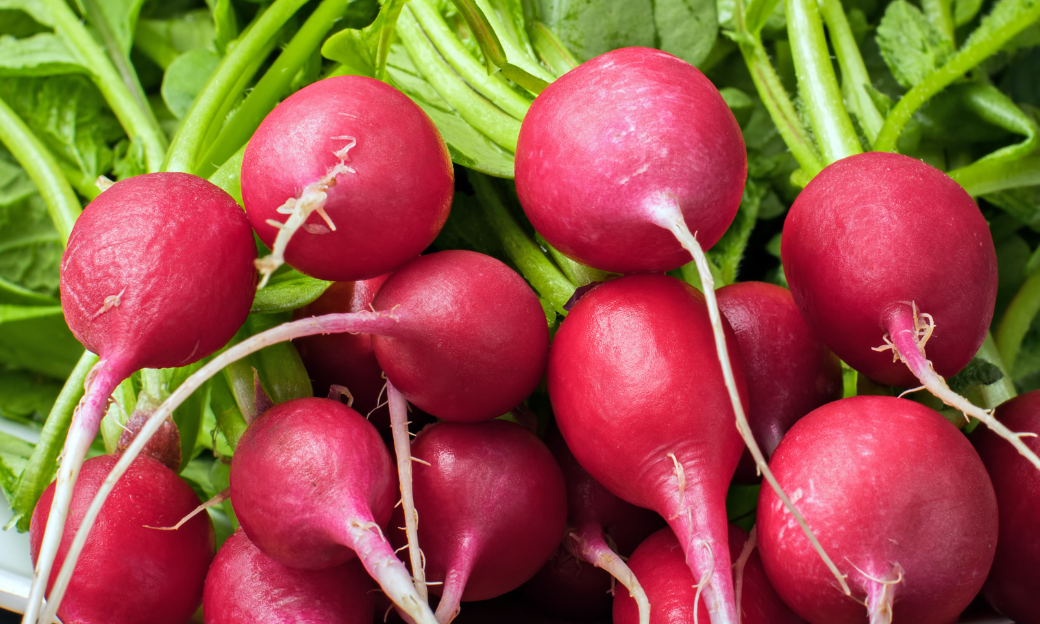
Radish
It comes in a huge number of shapes, colors and sizes, but all belong to a single species, Raphanus raphanistrum.
Nutritional benefits include:
As a member of the cruciferous family, sulforaphane acts as a potent cancer fighter in multiple ways.
How to enjoy:
Every part of the radish is edible. If you are lucky enough to find them at the Farmer’s market, consider making a pesto using the green tops of the radish.
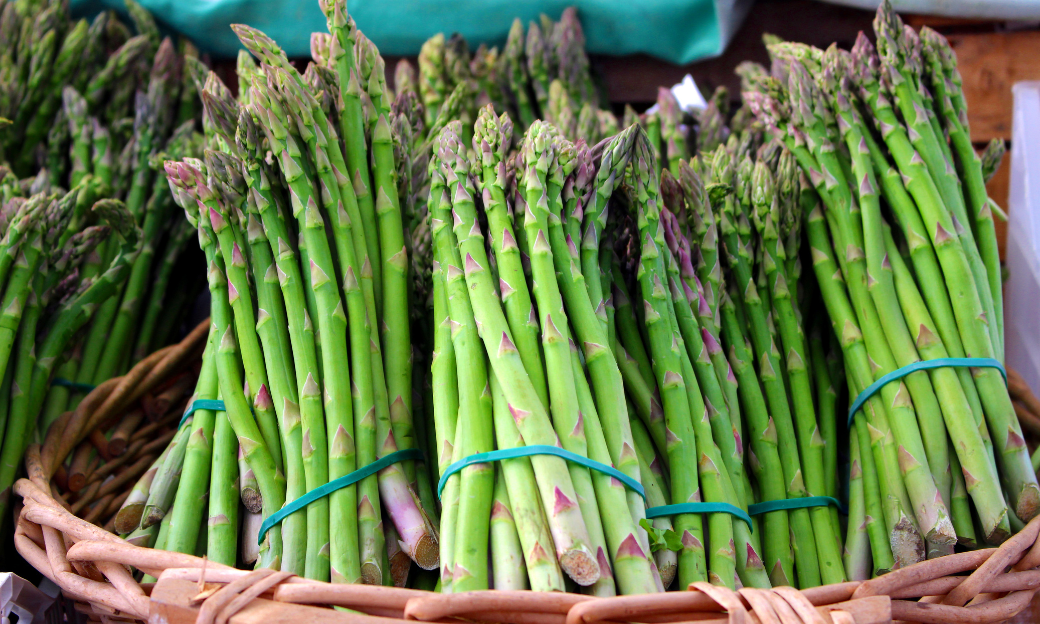
Asparagus
Ancient Egyptians are said to have enjoyed it as many as 20,000 years ago, and Rome’s first emperor, Augustus, employed a whole group of ships, the so-called “asparagus fleet,” to transport huge shipments of it.
Nutritional benefits include:
Contains insulin, a prebiotic that supports the growth and function of beneficial microbes living in our gut.
How to enjoy:
Some people peel asparagus, but unless you’re dealing with exceptionally woody stalks, it is generally unnecessary. However, you absolutely should trim the end of each spear.
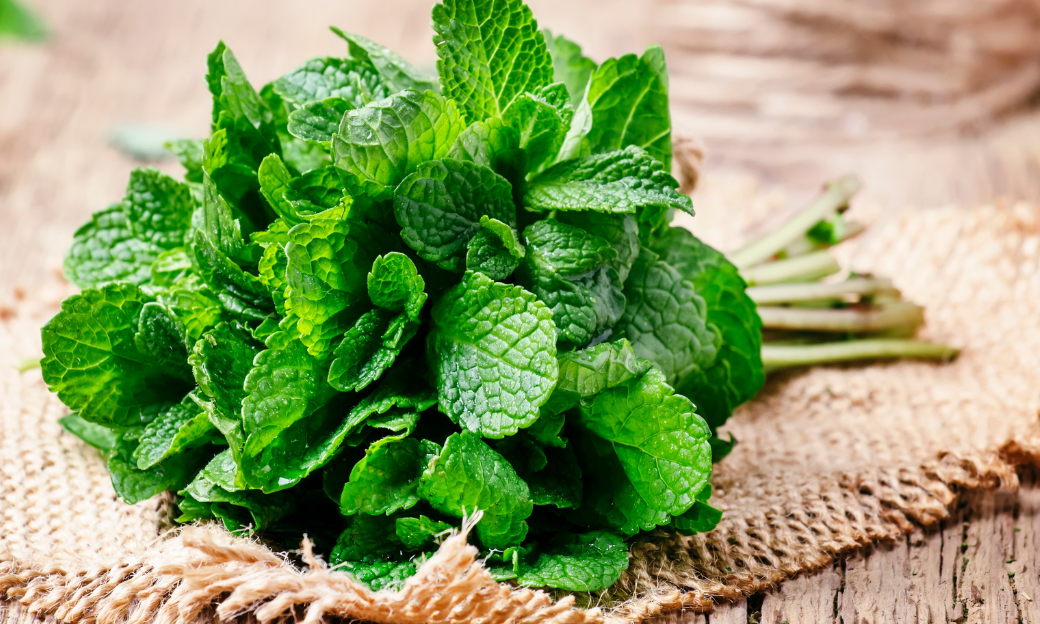
Mint
A sure sign of spring and summer. No matter the variety, mint is diverse and delicious! Ancient Egyptians historically used mint to treat stomach ailments.
Nutritional benefits include:
Contains antioxidants that have been shown to reduce oxidative stress.
How to enjoy:
Fresh mint pairs amazingly well with the spring veggies and fruit that are just poised to hit the market, like peas, lettuce, strawberries, rhubarb, asparagus, favas and artichokes.
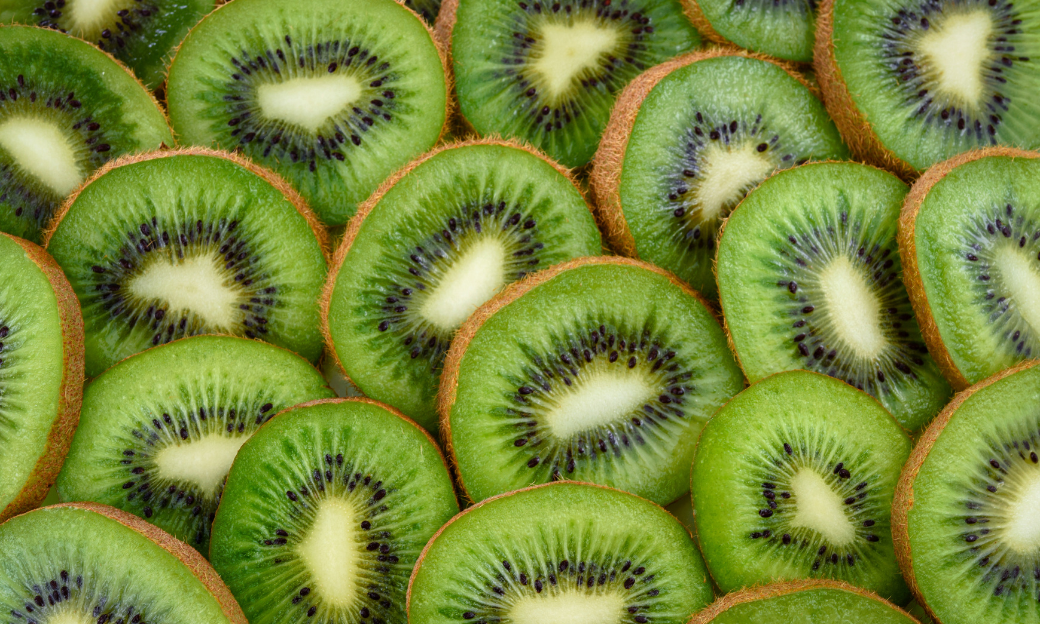
Kiwi
Did you know that there are over 400 different varieties of kiwis? They are fruits that grow on vines and are considered a berry fruit.
Nutritional benefits include:
High in vitamin C, making it a cancer-fighting food. Kiwi fruit also contains serotonin and melatonin, which make it a sleep-supportive choice.
How to enjoy:
Kiwis are ripe and taste best when they are slightly firm. They are delicious as a snack but consider adding them to your chicken tacos or into bruschetta.
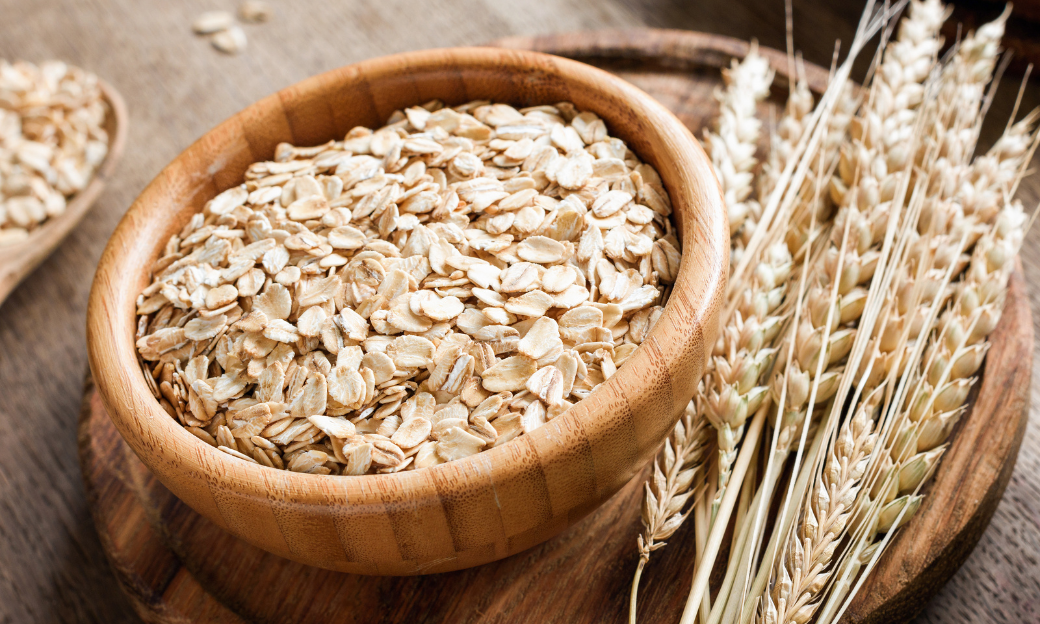
Oats
Avena sativa is a staple crop in temperate regions around the world. Oats were first wild-harvested by paleolithic hunters and gatherers around 32,000 years ago.
Nutritional benefits include:
A source of special fiber that contributes to metabolic and gut health. Oats contain melatonin as well as magnesium.
How to enjoy:
Oats come in a variety of shapes and sizes and therefore offer numerous ways to enjoy them! Try steel cut oats in your grain bowl, rolled oats in an overnight oats recipe, or oat bran in your smoothie.
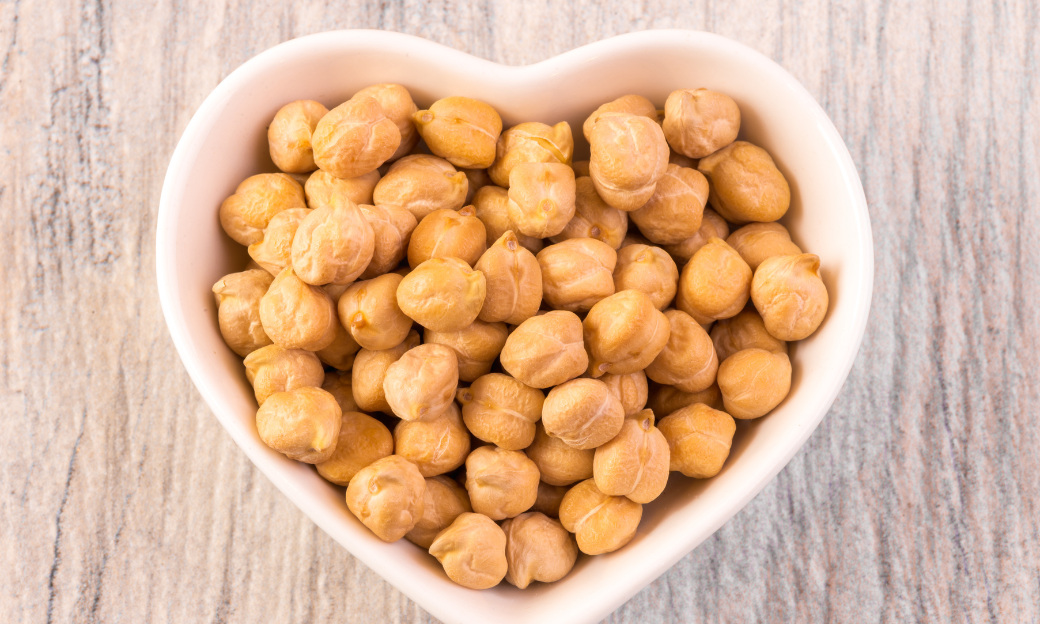
Chickpeas
Also known as garbanzo beans, and were once used as a coffee substitute in the 18th century. Chickpeas were first cultivated in the Middle East and consumed by ancient civilizations.
Nutritional benefits include:
High in fiber and contains plant proteins. Chickpeas also contain tryptophan, an essential amino acid that is a precursor toserotonin and melatonin.
How to enjoy:
Versatile chickpeas can be added to a salad or grain bowl, roasted for a snack, and mashed onto avocado toast.
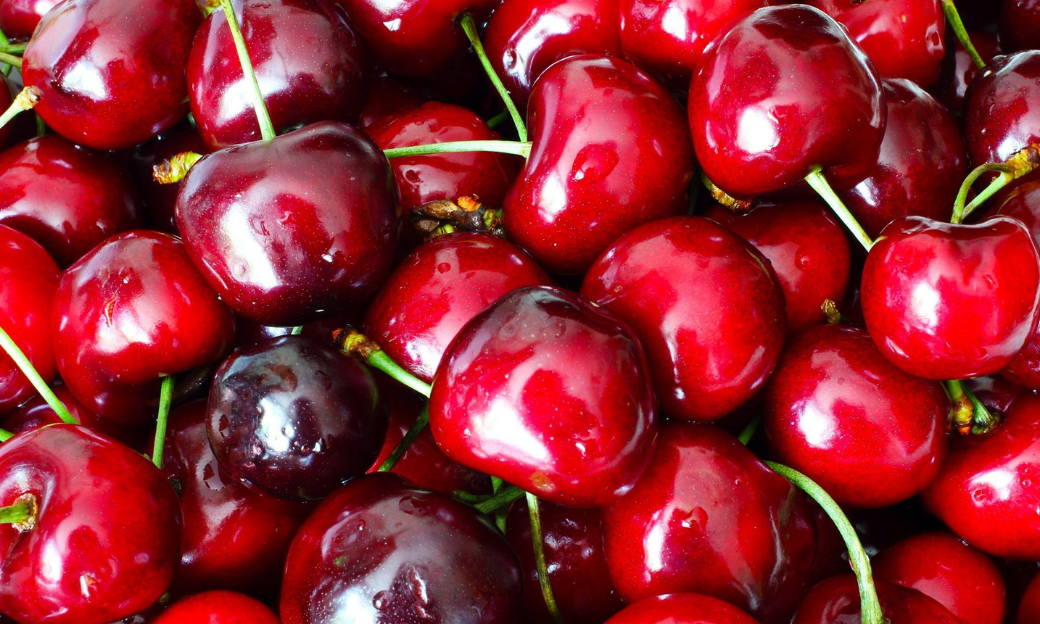
Montmorencytart Cherries
Montmorencytart cherries A variety of tart cherries that is grown in the U.S. and Canada. They are sometimes referred to as the “cherry with more” because of their unique nutrient profile.
Nutritional benefits include:
A natural source of melatonin. Some attribute their beneficial effects on sleep thanks to procyanidins, which area type of flavonoid that possesses antioxidant properties.
How to enjoy:
Look for dried tart cherries to enjoy as a snack or as part of your own homemade trail mix with air-popped popcorn and pumpkin seeds.
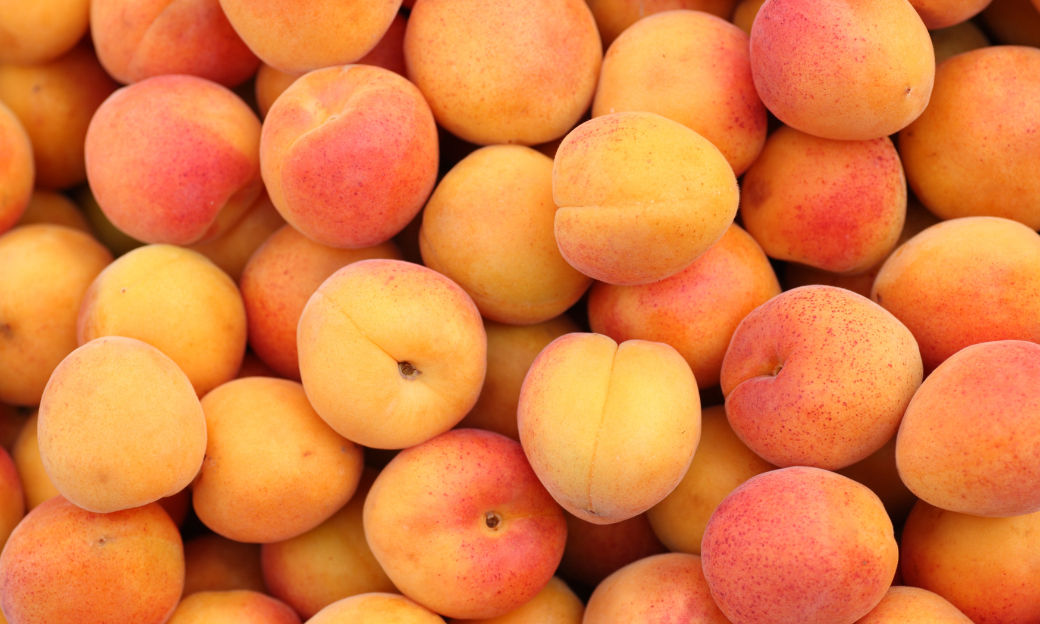
Apricots
Did you know they range in color from pale orange to deep saffron? They are delicate fruits that are highly perishable. Enjoy them when they are in season!
Nutritional benefits include:
They provide fiber and vitamins A & C. They naturally contain various flavonoids that play a role in preventing cell damage and preserving skin health.
How to enjoy:
They are a versatile ingredient, and work in both sweet and savory recipes! Try them in your favorite green salad or slice them in half and grill them for a treat!
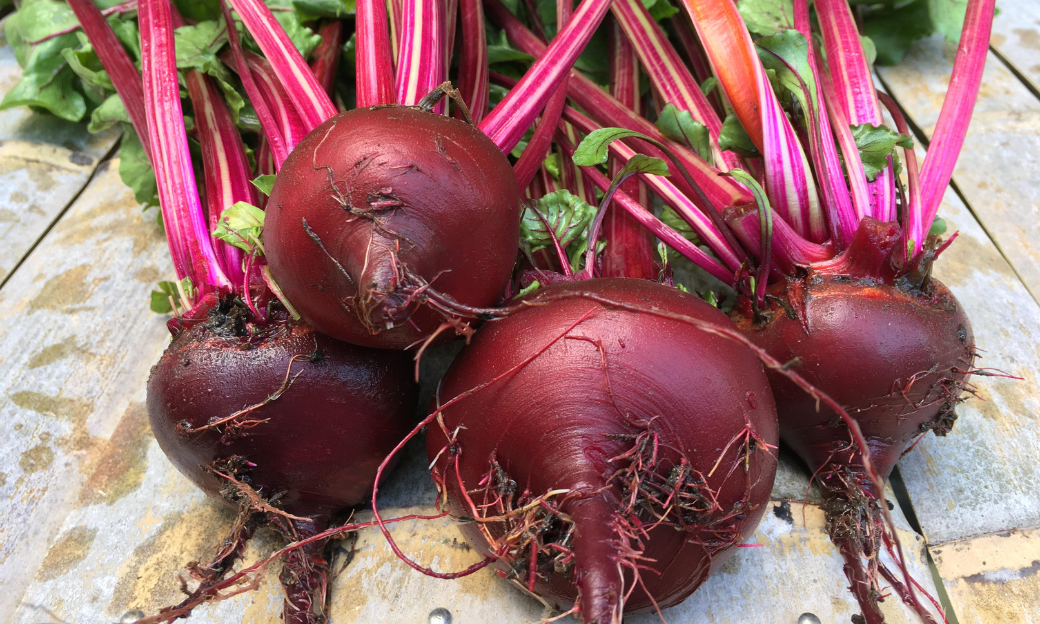
Beets
Farm fresh beets come in a variety of colors from bright red to pink to sunny golden and also striped varieties. Every single part of the beet is edible!
Nutritional benefits include:
Betalains are compounds that give pigments to beets and have impressive antioxidant properties.
How to enjoy:
Beetroot can be eaten raw, roasted, boiled, steamed, sauteed, boiled, and made into chips! They are delicious when paired with nuts and citrus.
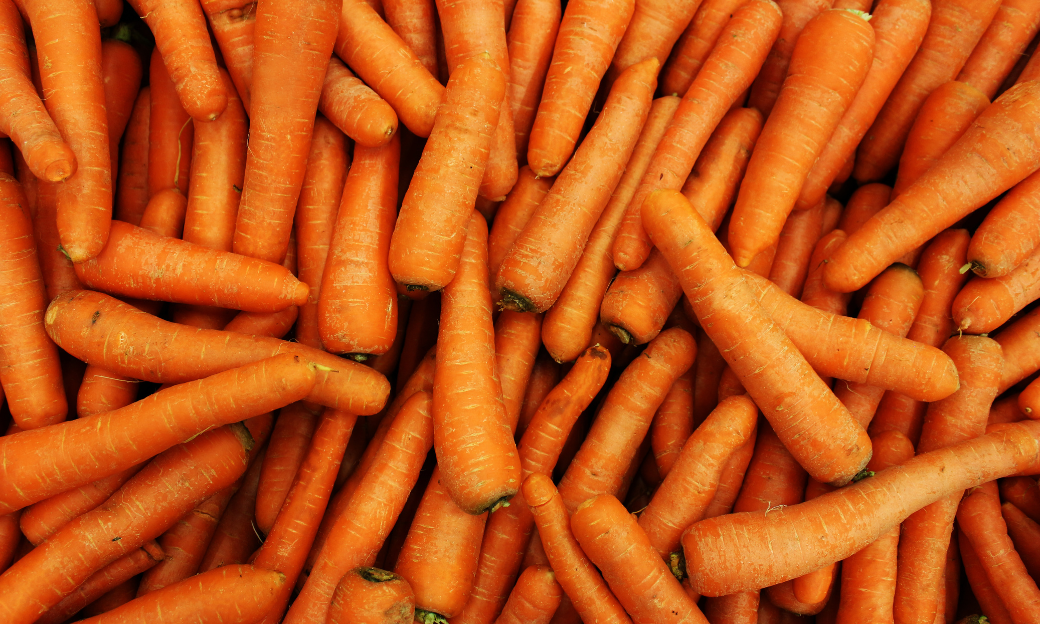
Carrots
We often think of them as orange, a color that indicates their high levels of beta-carotene. But carrots can also be yellow, purple, red, or multi color — or even black or white. The plants were initially cultivated not for their root, but for their aromatic leaves and seeds.
Nutritional benefits include:
They are loaded with beta carotene, which is converted to vitamin A in our body. Beta carotene is an antioxidant and linked with reduced risk for lung cancer. Cooking carrots makes the beta carotene more bio-available, so don’t be afraid to enjoy them in all different ways.
How to enjoy:
Roasting or grilling carrots enhances their natural sweetness. Try slicing them and roasting them into “fries” for a nutrition upgrade.
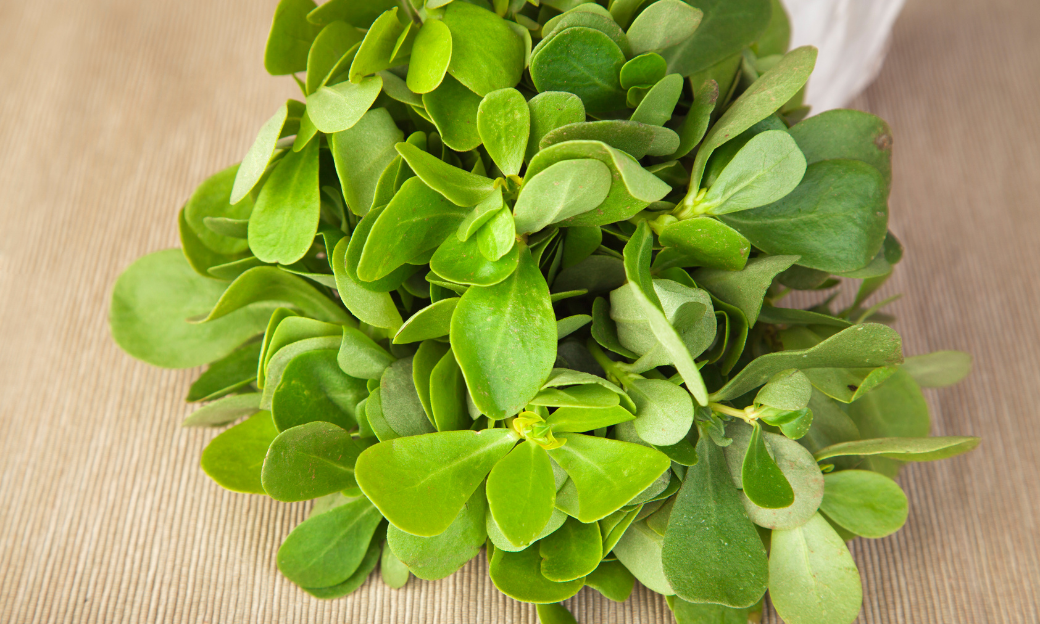
Purslane
It is ancient! Purslane was cultivated in ancient Egypt and enjoyed by the ancient Romans and Greeks. It was also said to be Ghandi’s favorite food. It’s a succulent and technically considered a weed.
Nutritional benefits include:
Omega 3s are in purslane, especially ALA which is an essential fatty acid responsible for lowering inflammation in our bodies.
How to enjoy:
Look for purslane at your farmer’s market. It tastes tart but use it like you would any green veggies. Try steamed or sauteed in soups and stews. It pairs well with other summer stars like tomatoes, cucumbers, and eggplant.
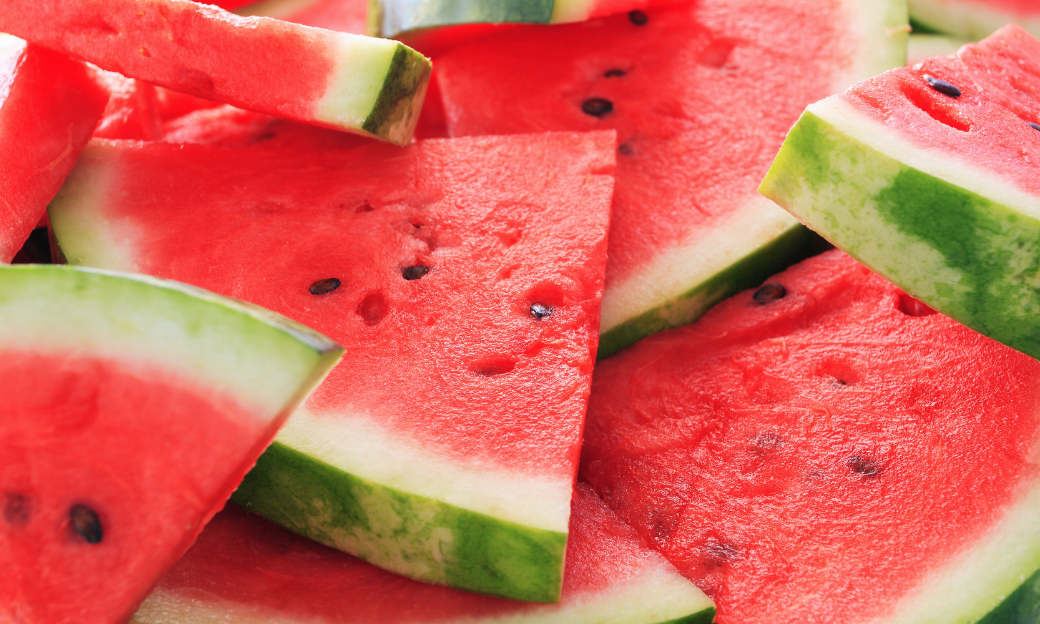
Watermelon
Nutritional benefits include:
A good source of lycopene, a carotenoid known for its antioxidant properties.
Lycopene helps neutralize free radicals, which can damage cells and contribute to cancer development.
Contains other antioxidants like vitamin C and citrulline, which may also contribute to its potential cancer-fighting properties.
The seeds are a good source of magnesium, iron, folate, zinc, potassium, and phosphorus.
How to enjoy:
Roasting watermelon seeds enhances their flavor and creates a crunchy snack. Dice watermelon and mix with red onion, jalapeno, cilantro, and lime juice for a sweet and spicy salsa. Or, try grilling the watermelon to enhance the sweetness.
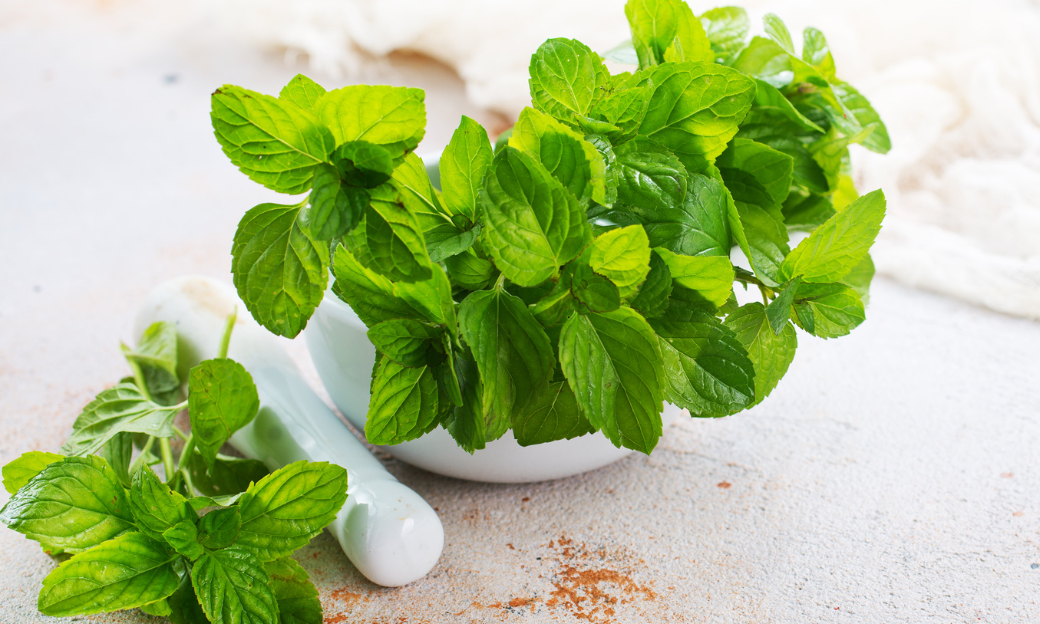
Mint
Nutritional benefits include:
Menthol has demonstrated anticancer activity in various studies, including inducing apoptosis (programmed cell death) and inhibiting tumor angiogenesis (formation of blood vessels that feed tumors).
A source of rosmarinic acid, which has been shown to inhibit the proliferation and induce apoptosis in breast cancer cells.
How to enjoy:
Add fresh mint leaves to salads, both fruit and vegetables, for a refreshing flavor. Mint is a classic addition to mocktails, like mojitos and juleps, as well as unsweetened iced tea, and infused water.
Chia Seeds
Aztec warriors ate chia seeds to give them energy and endurance.
Nutritional benefits include:
A powerhouse of nutrition in tiny seeds! Chia contains omega 3 fats, which help to reduce inflammation in the body. Just 1 oz. of chia seeds provide 25% of the daily requirement for magnesium.
How to enjoy:
Sprinkle chia in your hot cereal, in yogurt, or into your smoothie. Soak chia seeds overnight in your favorite dairy or alternative for a delicious pudding the next day.
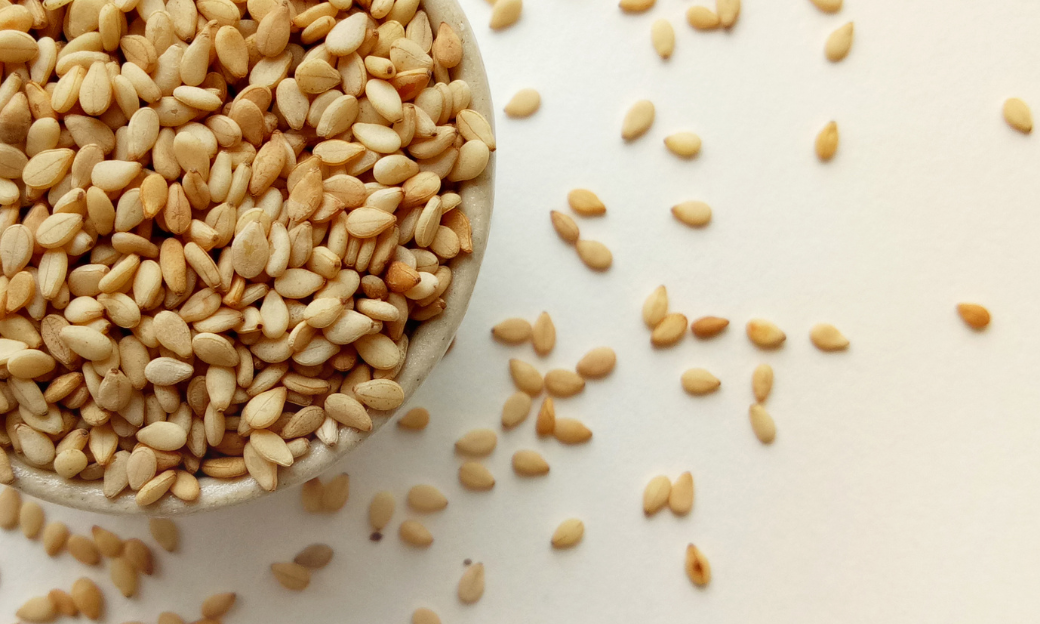
Sesame Seeds
Nutritional benefits include:
Sesame seeds contain lignans, such as sesamol and sesamin, which have shown anti-cancer properties.
These compounds, along with others in sesame seeds, act as antioxidants, potentially preventing cell damage that can lead to cancer.
How to enjoy:
Sprinkle toasted sesame seeds on salads, roasted vegetables, or cooked grains for added crunch and flavor. Coat fish, chicken, or tofu with sesame seeds before cooking for a flavorful crust. Sesame seeds are a staple in spice blends like everything bagel seasoning, za’atar, and furikake.
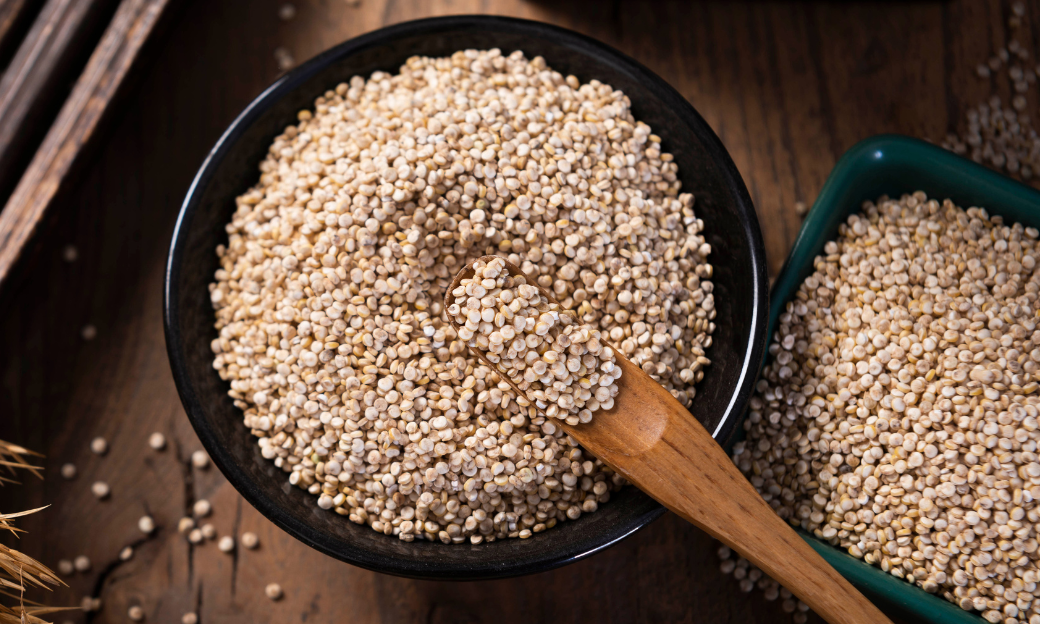
Quinoa
Quinoa has been cultivated for about 5000 years and is indigenous to the Andean region of South America. Did you know that quinoa is a type of edible seed that comes in various colors including black, red, yellow, and white?
Nutritional benefits include:
The quintessential plant protein. Quinoa contains all nine essential amino acids, while also being a good source of fiber. A reliable source of minerals including iron, magnesium, and zinc.
How to enjoy:
Consider quinoa as a blank slate. It is a versatile ingredient that can be made savory by cooking in broth with veggies or in milk and topped with fruit. Try slow-cooking quinoa overnight to wake up to a home filled with the inviting aroma of a nutritious breakfast.
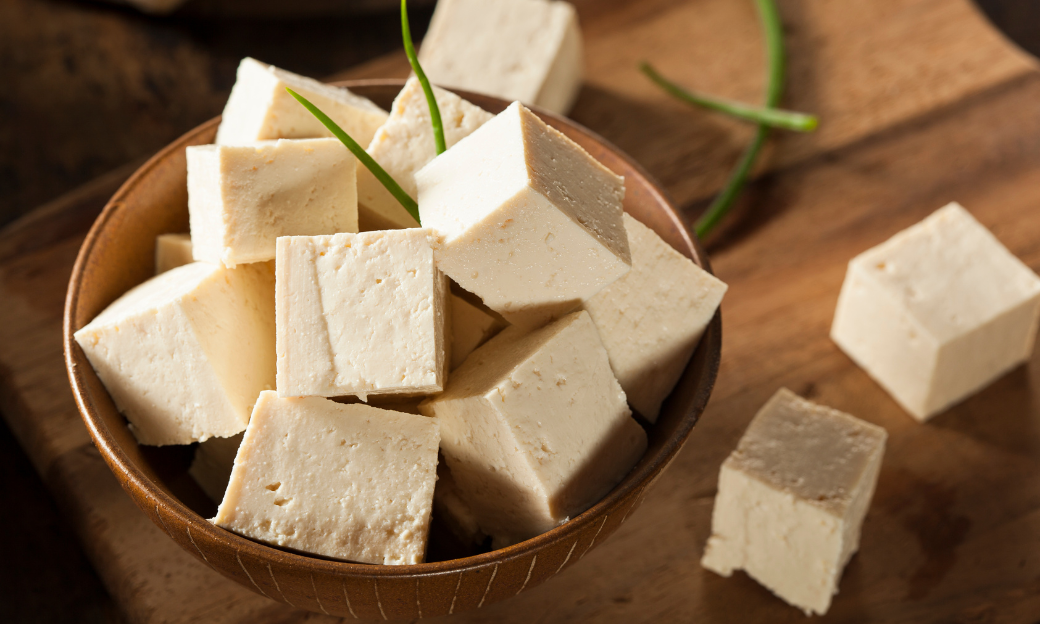
Tofu
Tofu, much like cheese, is essentially made by curdled soybeans.
Nutritional benefits include:
Rich in protein, calcium, manganese, copper, and selenium, while being relatively low in calories. Isoflavones in tofu are not only cancer protective (and safe to eat), but they also exert heart healthy properties.
How to enjoy:
Tofu is a versatile ingredient. Try scrambled for breakfast with any veggies you have on hand, or make breakfast burritos with tofu and veggies for a portable option.
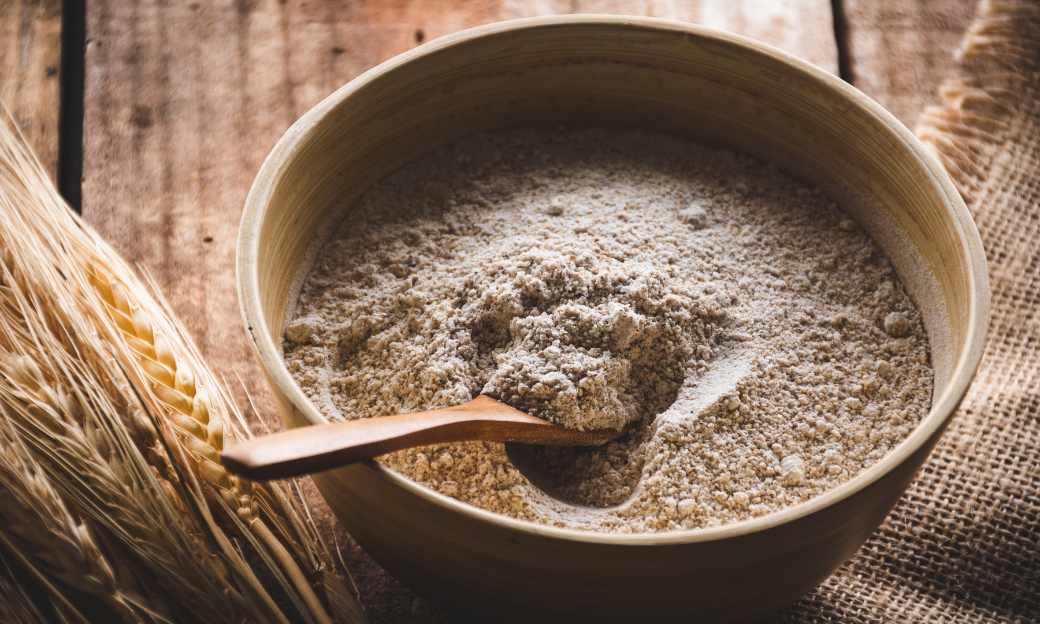
Whole Wheat Flour
Whole Wheat Flour, gets its name from the way the grain is processed. In whole wheat flour, the entire (or “whole”) wheat berry is milled and then used in the flour.
Nutritional benefits include:
Fiber is known to be helpful for many conditions, from cancer to digestive concerns, and cardiovascular and metabolic health. There is significantly more fiber in whole wheat flour and swapping it into recipes will supply your diet with much needed fiber.
How to enjoy:
Most whole wheat flour purchased off a grocery store shelf is going to be hard wheat. It is best used for bread baking and will have a higher protein content. Whole wheat flour absorbs more water than white flour, so if your dough is going to sit for a long period of time before baking, you may need to add a few more teaspoons of water or liquid per cup of flour to the dough.
Avocados
Avocados are botanically a fruit, the avocado contains an impressive amount of nutrients including fiber and vitamins C, E, and K.
Nutritional benefits include:
More than ½ of the fat in avocados is monounsaturated fat, which can help lower the “bad” cholesterol in your blood.
Contain phytosterols, which are naturally occurring substances that help to block the absorption of cholesterol.
How to enjoy:
More versatile than you might realize! Avocado shine on their own on top of toast or in a salad but provide flavor and nutrition in a smoothie or made into ice cream.
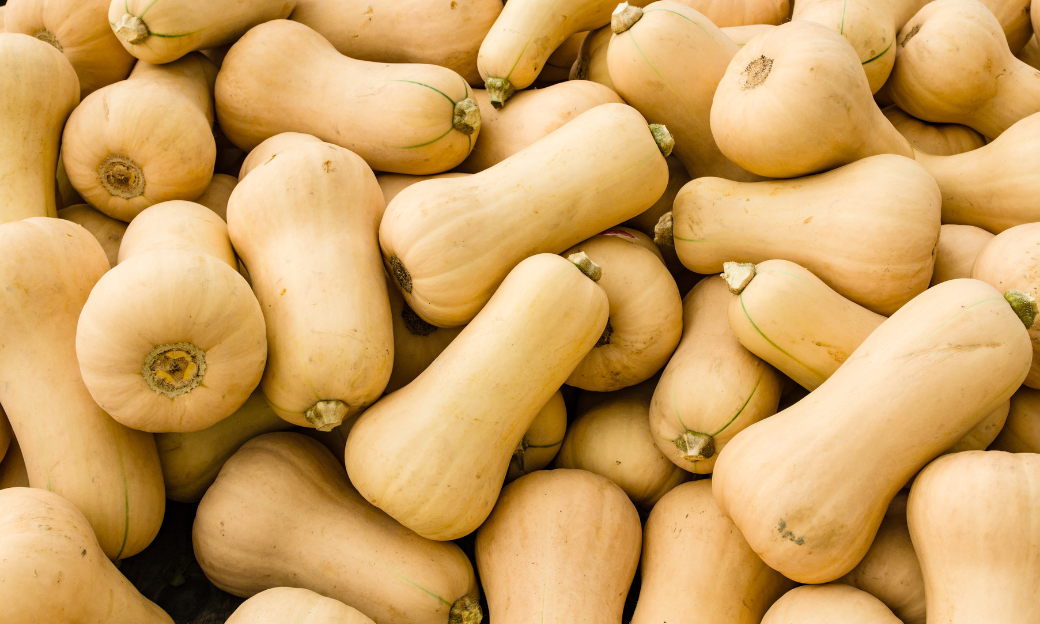
Honey-nut Squash
Honey-nut Squash is a newer variety of winter squash that resembles a miniature butternut squash. Bred for concentrated flavor, it is prized for its extra-sweet, nutty taste and velvety, deep orange flesh.
Nutritional benefits include:
Contains other antioxidants like vitamin C and various carotenoids and phenolic compounds, which work together to reduce oxidative stress and protect against disease.
How to enjoy:
Honey-nut squash can be easily prepared and cooked in a variety of ways, with roasting being one of the simplest. Unlike larger winter squashes, the honey-nut’s small size and thin, edible skin make it quick to cook and easy to handle.
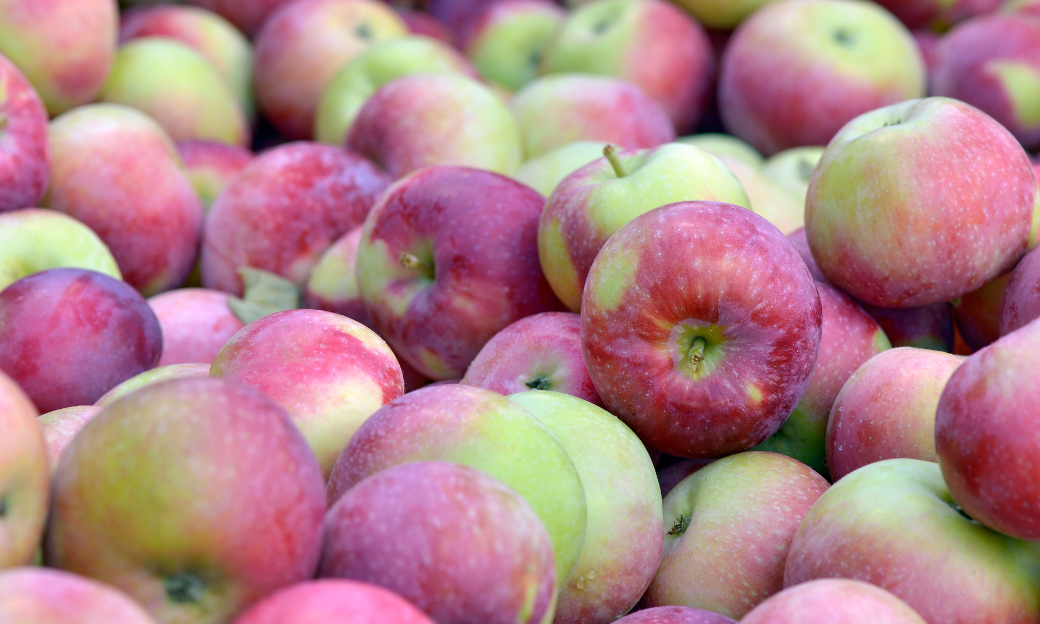
Empire Apples
Empire apples are a hybrid of Red Delicious and Macintosh apples. It was developed at Cornell University in the ‘40s. They are a sweet-tart combination that’s very versatile.
Nutritional benefits include:
A medium Empire apple provides about 5 grams of dietary fiber, which is beneficial for digestive health. The flesh contains quercetin, catechin, and phloridzin, which protect cells from damage.
How to enjoy:
Cut apples into wedges and dip them into peanut butter, almond butter, or caramel. Pair them with cheese, like sharp cheddar, for a sweet and savory combination. Add chopped apples to green salads or grain bowls for a sweet and crunchy element.
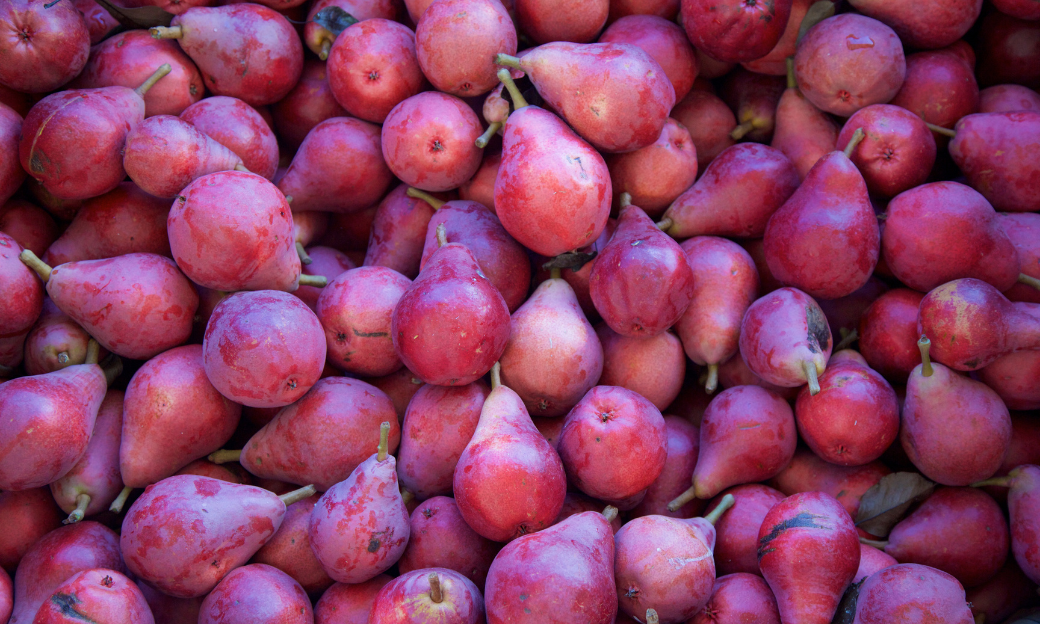
Starkrimson Pear
Starkrimson Pear is named for its brilliant crimson red color and features a thick, stocky stem. The Starkrimson is a mild, sweet pear with a subtle floral aroma. It is very juicy when ripe and has a pleasant, smooth texture, making it perfect for snacking, salads, or any fresh use that shows off the brilliance of its skin.
Nutritional benefits include:
Contains phenols and anthocyanins that help fight cellular damage and inflammation caused by free radicals. Provide a significant amount of dietary fiber, which is beneficial for digestive health, weight management, and blood sugar stabilization.
How to enjoy:
Slice them fresh into salads, bowls of cereal, or to accompany charcuterie for an indescribably gorgeous pop of color.
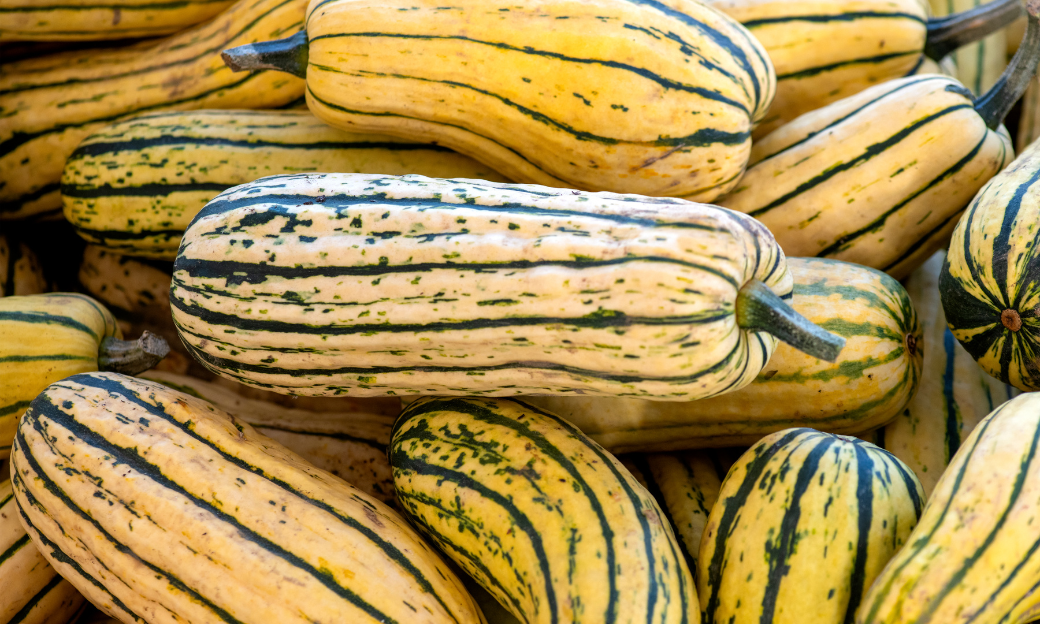
Delicata squash
Delicata squash is a variety of winter squash with cylindrical fruits that are cream-colored and striped in green or orange. As its name suggests, it has a characteristically delicate rind. It is also known as peanut squash, Bohemian squash, or sweet potato squash.
Nutritional benefits include:
Rich in antioxidants, particularly the carotenoids beta-carotene and other compounds like lutein and zeaxanthin, which help protect cells from damage, support vision, and reduce the risk of chronic diseases and inflammation.
How to enjoy:
The entire delicata squash is edible. Slice into half-moons and place on a sheet pan to roast and add to green or grain salad. Slice delicata squash in half lengthwise and scoop out the seeds. Stuff with chopped veggies and bake for a complete meal.
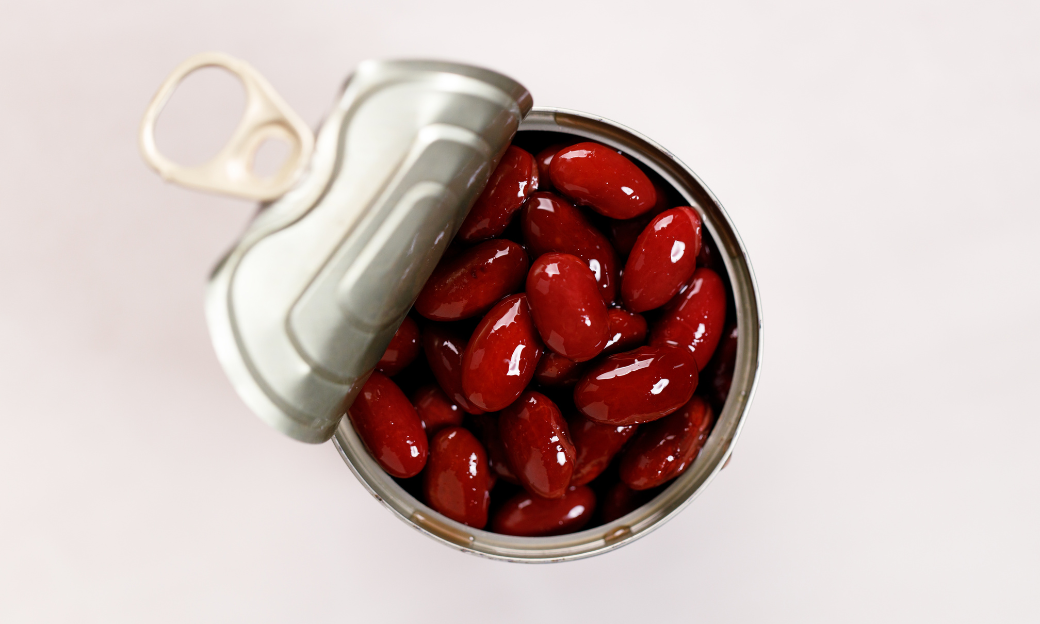
Canned Beans
Research shows that when we eat 1-2 servings of canned beans in place of other common protein foods, we eat more fiber, iron, magnesium, potassium, and folate!
Nutritional benefits include:
Canned beans can be a staple for building plant-based meals. A ½ cup serving of beans provides 8 grams of protein and is a good source of fiber. Beans also provide other minerals like magnesium and potassium.
How to enjoy:
Maximize the nutrition in canned beans by either choosing low salt or no salt added versions. Draining and rinsing canned beans removes an estimated 41% of the sodium in products. Beans are a staple because of their versatility: use them to make bean soups, a bean burger, mix with veggies and stuff inside a sweet potato, or mash them with avocado to make a filling for a plant-based sandwich.
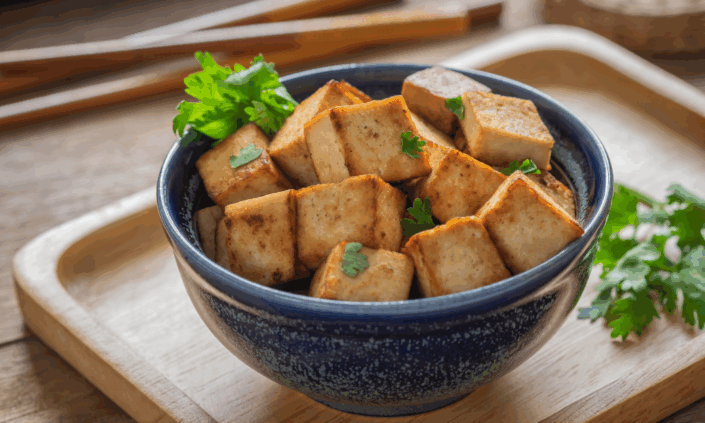
Tofu
In China, where tofu may have originated around 200 B.C., it takes on many additional forms and flavors – sheets and sticks, fermented and smoked. Across Asia, it’s served fried, marinated, and stuffed.
Nutritional benefits include:
Tofu is a favorite for those seeking plant sources of protein. There is a considerable amount of protein in tofu, but the isoflavones in tofu offer cancer-fighters. Tofu contains isoflavones, which exert anti-inflammatory, antioxidant, and stimulate detoxifying properties in our body.
How to enjoy:
Tofu may be intimidating, but the reward is worth the effort! Try tofu scrambled with veggies in place of eggs, marinated and baked as cubes for a salad, or added to a traditional stir-fry.
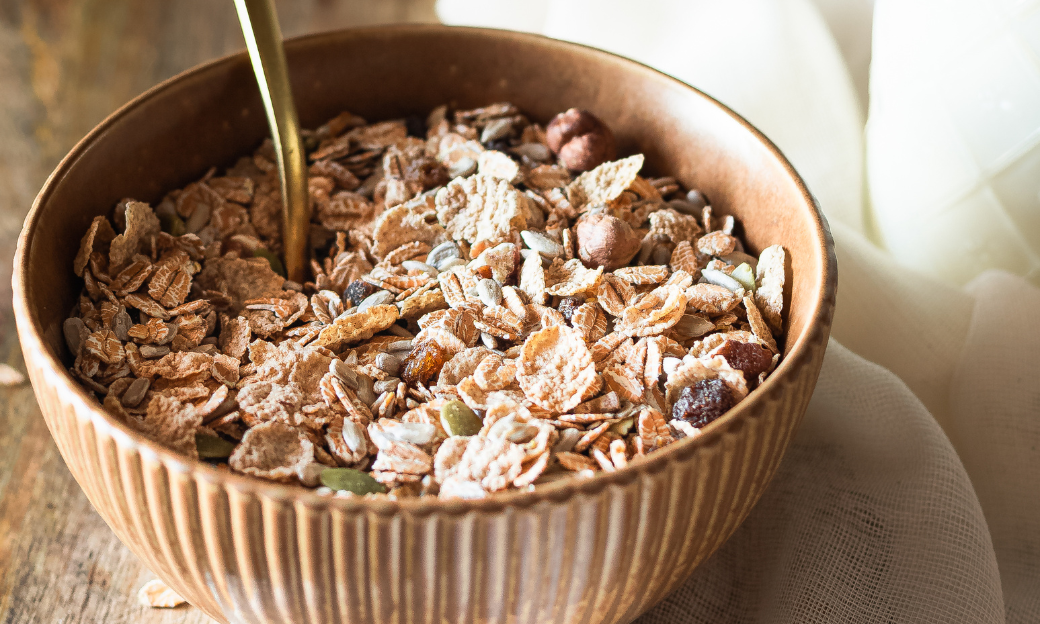
High Fiber Cereals
The term “cereal” originates from the ancient Roman goddess of agriculture, Ceres. Making breakfast cereal is a simple process that starts with wholesome grains like wheat, rice, corn, barley, and oats.
Nutritional benefits include:
Fiber is an under-consumed nutrient in the American diet. While there are many choices to be found in the cereal aisle, the best ones are low in refined grains and additives. A good rule of thumb is to look for 100% whole grain on the label, the word “whole”, no more than 5 grams of sugar, and don’t assume that your cereal needs protein or less carbs to be healthy.
How to enjoy:
Cereals are a quick option to enjoy as a light meal or snack, but they can also be added to a fruit and yogurt parfait, crumbled in place of breadcrumbs, or added to a homemade trail mix. Some of the favorite RD-approved products include: Nature’s Path, Kashi 7 whole grain puffs, GO original, GO Cinnamon crisp, Autumn Wheat, Berry Fruitful, Cinnamon Harvest, Dark Cocoa Karma, or Island Vanilla, Quaker Oatmeal squares.
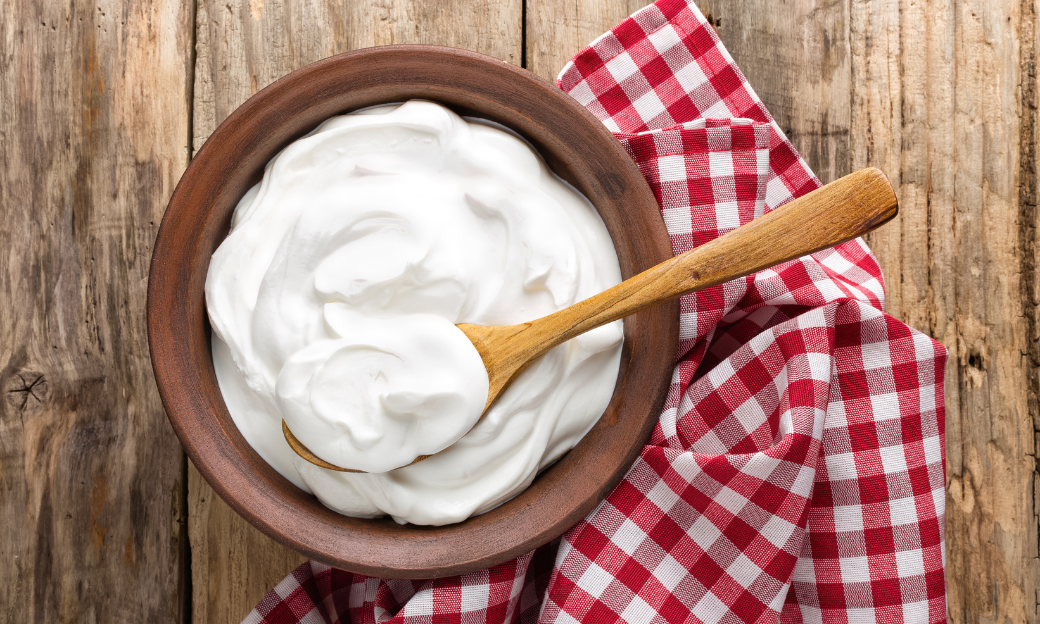
Low Sugar Yogurt
Yogurt has been enjoyed by cultures around the world for thousands of years. Yogurt is a dairy product created by bacterial fermentation of milk or cream, commonly made from cow milk but also can be made using goats, sheep, yaks, camels, or water buffalo. Dairy-free yogurts often are based on coconut or are nut-based. Dairy-free products may not contain as much protein or calcium and may be high in saturated fats.
Nutritional benefits include:
Calcium is a nutrient of concern because many Americans do not consume adequate amounts. Survivors seeking to satisfy bone health requirements may benefit from eating yogurt for its calcium content. Yogurt also has protein as well as potassium, which support essential nutrients for our body. Yogurt supplies natural probiotics, which translates to supporting gut health.
How to enjoy:
Yogurt is portable and convenient! It’s ideal to buy plain and then add your own desired level of sweetness and/or fruit plus nuts and/or seeds. Did you know that you can make savory dishes using plain yogurt? Try mixing fresh or dried herbs with garlic as a dip for your veggies or making a creamy dressing for salad by swapping out sour cream or mayo. Some of the favorite RD-approved products include: Plain, low-fat Greek, Skyr, or Ultra-filtered yogurts, Siggi’s lower sugar Skyr, Silk almond milk, and unsweetened vanilla.
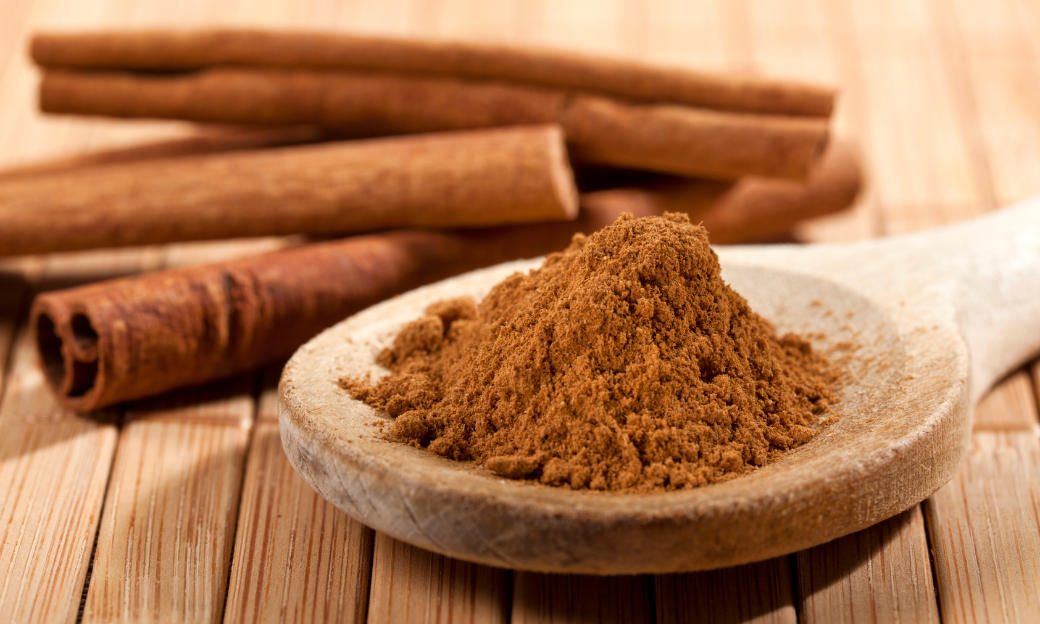
Cinnamon
Cinnamon is a spice that comes from the dried bark of various species of Cinnamomum trees. Ceylon cinnamon (Cinnamomum verum),known as “true” cinnamon, grows primarily in Sri Lanka. Cassia cinnamon (Cinnamomum aromaticum),grown in areas of southeastern Asia, is the most common type sold in North America.
Nutritional benefits include:
Compounds such as cinnamaldehyde and polyphenols like catechin and epicatechin have been shown in some research tomimic insulin, enhance insulin sensitivity, improve glucose uptake in cells, and inhibit enzymes involved in sugar digestion.
How to enjoy:
Cinnamon adds a subtle sweet flavor to anything you try it with. Whether you stir it into oats, mix it into your coffee, or add it to mashed sweet potatoes, cinnamon will make your taste buds happy.
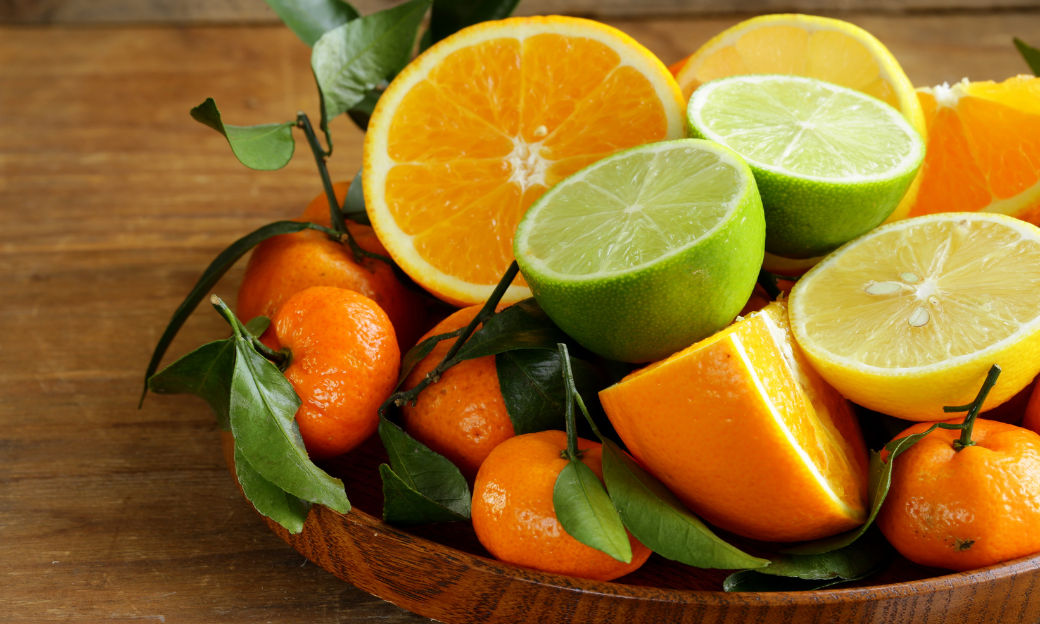
Citrus Fruits
Historically, rations of oranges were given to British soldiers on long ocean voyages to prevent scurvy. Scurvy is caused by vitamin C deficiency, so the high vitamin C content in oranges made them perfect for preventing the disease.
Nutritional benefits include:
A nutritious package inside citrus! Soluble fiber helps lower LDL cholesterol; Vitamin C prevents the build-up of free radicals, Vitamin A, which oranges help protect the eyes, and potassium helps keep the heart healthy and beating regularly.
How to enjoy:
Citrus will become increasingly available as a seasonal fruit. A simple Mediterranean dessert is sliced oranges topped with crushed pistachios and sprinkled with cinnamon.
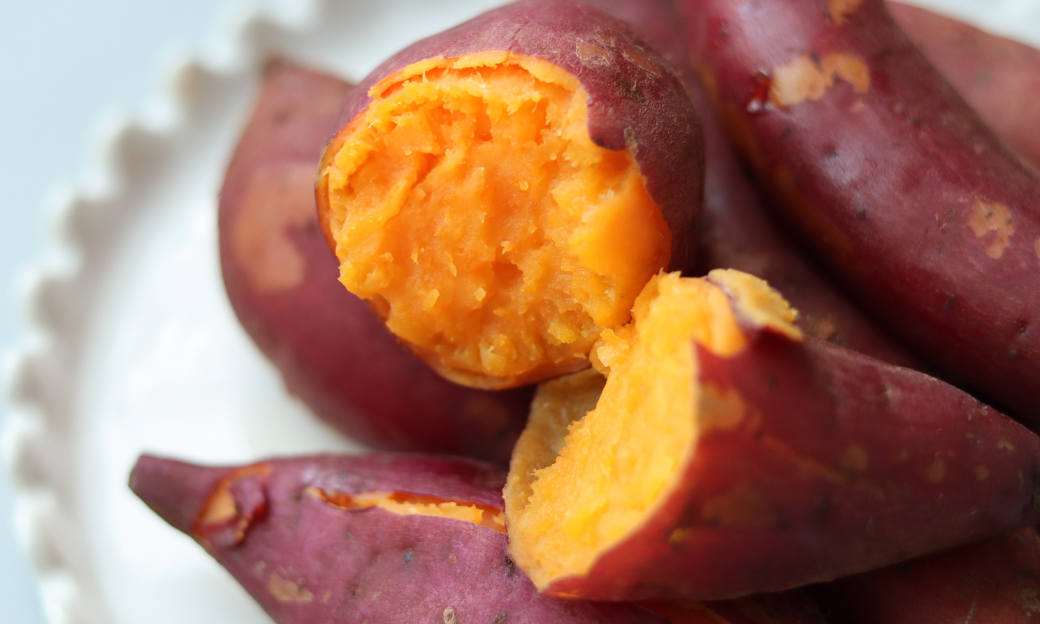
Sweet Potato
The color of the skin and flesh (the part that is not the skin) of a sweet potato will depend upon its variety. They come in white, yellow,orange, red, and even purple. Each color represents different phytochemicals.
Nutritional benefits include:
An excellent source of many key nutrients such as fiber, vitamins A and C, calcium, potassium,and manganese. Additionally, they contain antioxidants and are naturally low in sodium.
How to enjoy:
Sweet potatoes are delicious and versatile. Try them mashed, stuffed, or blended into a soup. Sweet potatoes pair well with warming spices like cinnamon, nutmeg, and ginger. Slice and roast sweet potatoes with a combination of these spices for a nutritious holiday side dish.
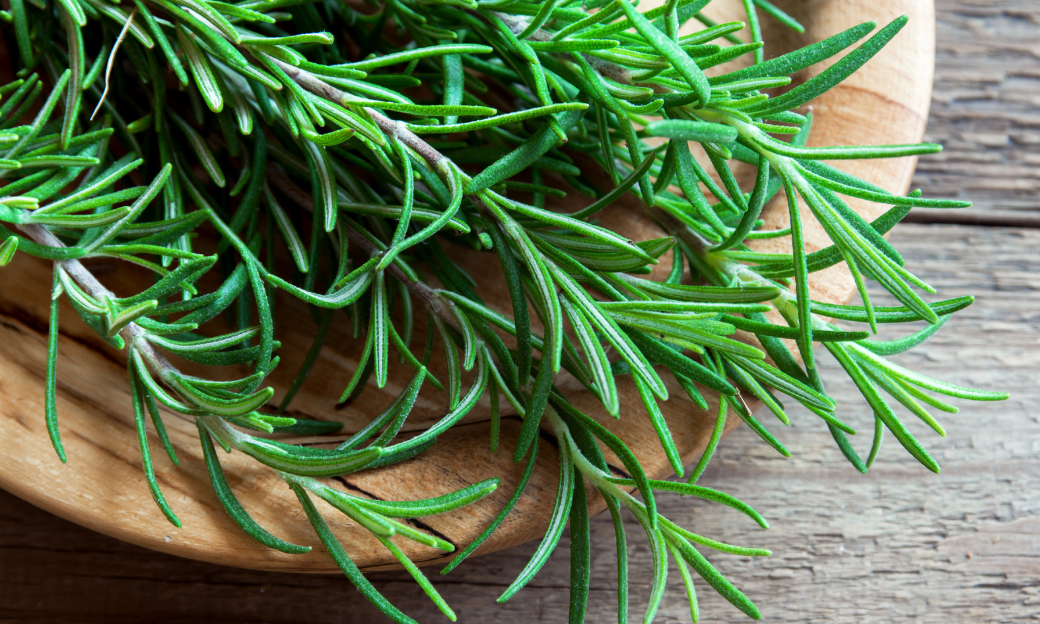
Rosemary
Rosemary (Salvia rosmarinus) is native to the dry, rocky areas of the Mediterranean. Greek scholars often wore a garland of the herb on their heads to help their memory during examinations.
Nutritional benefits include:
Compounds called diterpenes, polyphenols, and flavonoids have antioxidant and anti-inflammatory potential. It is thought to be helpful in soothing inflammatory bowel disease.
How to enjoy:
Find a fun and festive way to use rosemary in a healthy mocktail recipe in this month’s newsletter. Save the stem of rosemary to use as a skewer for a vegetable and cheese appetizer.