
Written by Lori Bumbaco, MS, RDN, CSO, LDN, Oncology Dietitian
Many of you may remember the low-fat diet craze in the 1990s. Fast forward to the diet trend of today, and you might notice that ketogenic diets are very popular. This may create some confusion about what is healthy regarding how much and what kind of fat to eat. This month we’re exploring the recommendations for eating fat on a healthy diet.
Fats have a place in every healthy, balanced diet. They help to protect our organs and regulate our body temperature; they give our body energy and also help us to absorb certain nutrients. Fat food adds delicious flavor and texture; they also create a sense of satiety and fullness because they slow down the process of digestion.
The main types of fat in our diet are saturated and unsaturated. Saturated fats have been found to raise total and LDL cholesterol levels, which can increase the risk for cardiovascular disease. This is a significant concern, as cancer survivors are at an increased risk for cardiovascular disease. Eating a heart healthy diet includes limiting sources of saturated fat. A helpful acronym to help remember which food sources are high in saturated fat is SAT.
S stands for solid at room temperature, such as butter and lard.
A stands for animal source, such as red meat and full-fat dairy.
Finally, T stands for tropical oils such as coconut and palm oils.
You may have heard about trans fats, which are a type of fat that naturally occurs in some foods in small amounts. However, most of the trans fats in the American diet come from partially hydrated oils. Regulations are fortunately now in place to remove trans fats from partially hydrogenated oils in the food supply. Trans fats have been shown to not only increase LDL cholesterol but also lower healthy cholesterol, called HDL. Trans fats have been removed from the food supply because it is recommended that we avoid them as much as possible.
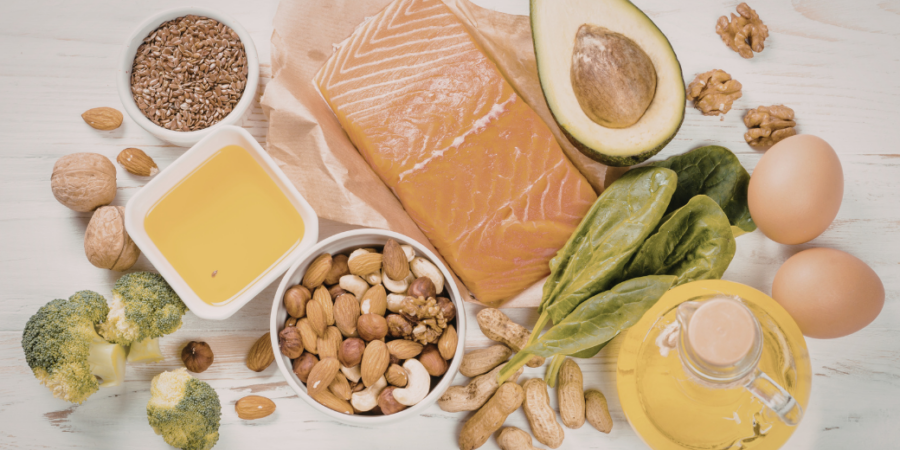
Unsaturated fats include both monounsaturated and polyunsaturated fats. These are liquid at room temperature and found mostly in plant-based and fish foods. When we eat these fats, especially polyunsaturated fats, in place of saturated fats, we can improve blood cholesterol levels and decrease the risk for heart disease. Examples of monounsaturated fats include olive, canola, and safflower oils as well as avocados, peanut butter, tofu, corn, ground flaxseeds, fatty fish and walnuts.
Omega 3 fats are a type of polyunsaturated fat that may be even more beneficial for health. Omega 3 fats have been shown to protect against dry eye disease, reduce inflammation in our body, and promote the normal function of our brain and nervous system. Our body cannot make omega-3 fats, so we need to eat them in our diet. Fatty fish such salmon, trout, mackerel, herring, sardines, and tuna are high in omega 3 fats. Plant-based sources include flaxseed, chia seeds, walnuts, soy foods, and pumpkin seeds.
Simple ways to swap unhealthy fats for healthy choices:
- Cook and bake with liquid oils instead of solid fats like butter, lard, or shortening
- Make your own vinaigrette with olive, walnut, or avocado oil and vinegar plus herbs instead of using a store-bought creamy bottled dressing.
- Stir ground flaxseeds into hot or cold cereal, into smoothies, yogurt, or muffin mix.
- Toss a few nuts or seeds into a salad, spread nut butter on whole grain bread, or snack on pistachios.
- Add avocado to sandwiches and salads or toss into smoothies for a creamy texture.
- Chia seeds swell when placed in liquids, creating a pudding-like texture. Make chia seed pudding by whisking milk or yogurt or a non-dairy alternative and top with fresh fruit.
- Try fish and plant sources of protein in place of meat.
Some of the best food choices with healthy fats also provide cancer-protective properties. Simple changes can help invite more nutrition onto your plate while adding flavor and satisfaction!