

Get more of our Oncology Dietitian-approved recipes, cooking videos, nutrition advice, and more, straight to your inbox!
Sign up for our Nutrition Newsletter here.
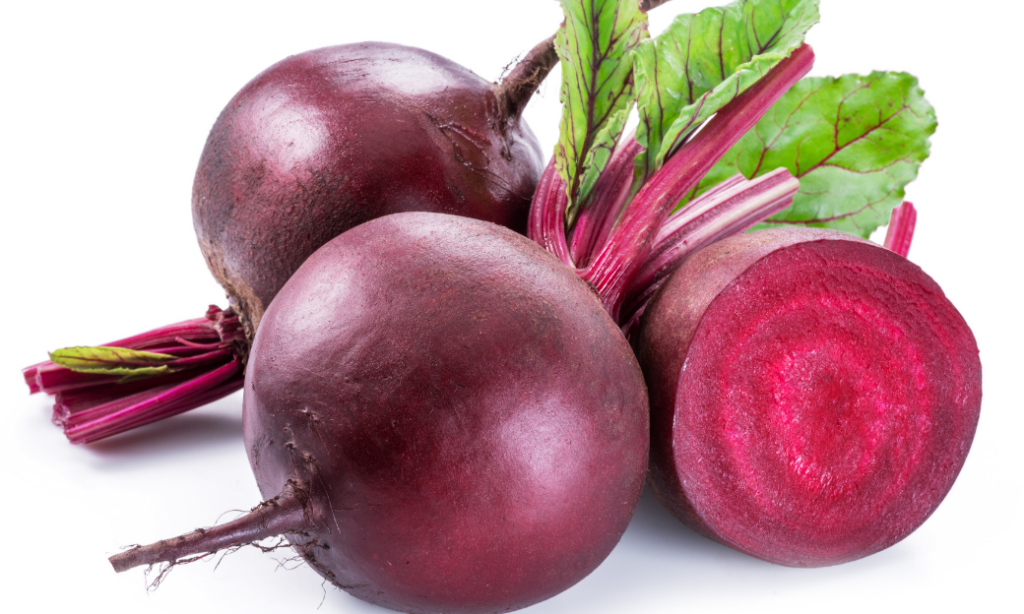
Beets
Since the 16th century, beet juice has been used as a natural red dye.
Ancient Greeks used beets medicinally for headaches and wounds, while Romans cultivated them as food, using them as an aphrodisiac.
Nutritional benefits include:
- Folate: helps with cell growth and supports heart health
- Potassium: helps regulate blood pressure
- Magnesium: supports muscle and nerve function
- Fiber: improves digestion and helps manage Type 2 diabetes
They contain betaine and betalains (including betanin and vulgaxanthin), which are plant-based pigments packed with antioxidants.
They contain nitrates, which your body turns into nitric oxide. This helps relax and widen blood vessels, increasing blood flow and lowering high blood pressure. This can help reduce the risk of heart disease and stroke.
How to enjoy:
Steaming, roasting, and grilling beets are the recommended cooking methods since they retain nutrients. Cook beets quickly and use a minimal amount of water to prevent nutrient loss.
Why not try beets in a sweet treat, like red velvet cake?
Plus, their leafy green tops are rich in antioxidants and anti-inflammatory properties and can be sautéed or added to soups and salads.
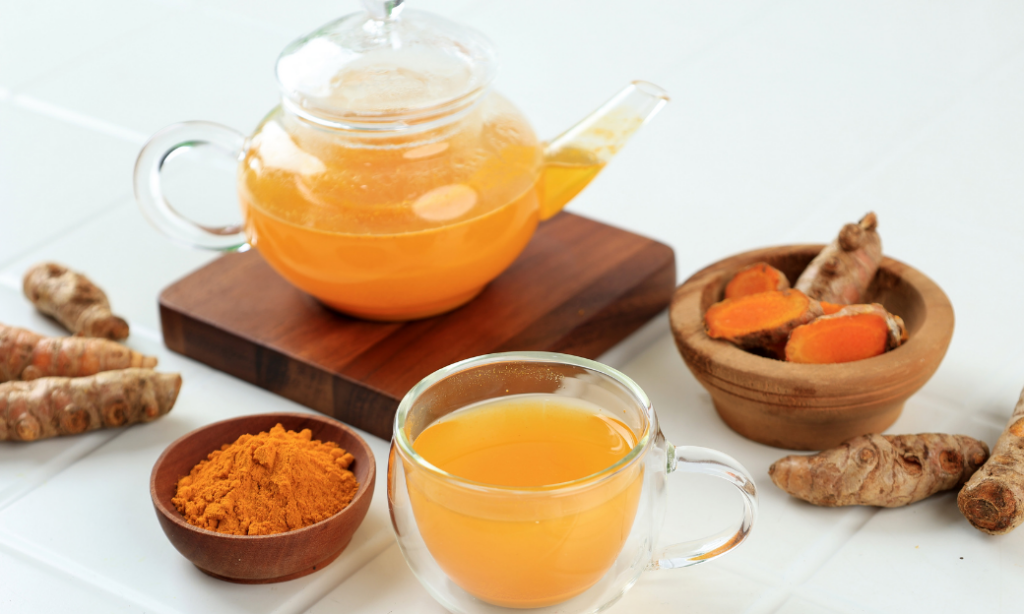
Tumeric
Turmeric is a rhizome like ginger. A rhizome is a rootlike subterranean stem that usually produces roots below the ground and sends up shoots progressively from the upper surface.
Turmeric has been used for cosmetics for centuries; in fact, it is still used in skin creams, soaps, and foundations, and is said to give a glow to the complexion.
Nutritional benefits include:
The active ingredient in turmeric is a natural compound (polyphenol) called curcumin, which has both antioxidant and anti-inflammatory properties.
Curcumin has many biological activities, not all of which are understood, but like other colorful plant-based foods, turmeric is rich in phytonutrients that may protect the body by neutralizing free radicals (pollution, sunlight) and shielding the cells from damage.
How to enjoy:
Turmeric is used as a natural coloring agent for some kinds of mustard, and it is an ingredient in curry powder. Brown says she enjoys the earthy flavor of turmeric on its own, and notes that it adds a depth of flavor and a pleasing color to Thai or other Asian dishes, as well as stews and chilis
Try adding it to your favorite soup, like chicken noodle!
Or make a simple turmeric tea:
- 2 tablespoons turmeric root chopped or 2 teaspoons turmeric powder
- Bring to a boil in 1–2 cups water Lower to simmer for 5 minutes and then strain.
- Lower to simmer for 5 minutes and then strain.
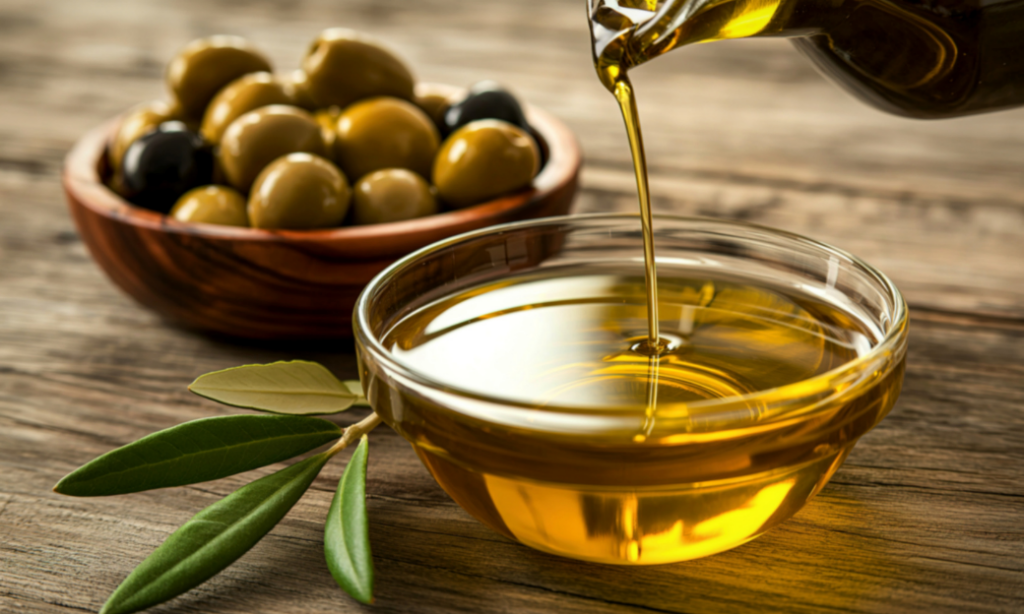
Olive oil
The olive tree is native to the Mediterranean basin, and archeological evidence shows that it was cultivated as early as 4000 BC.
Historically, olive oil was used not only for food, but for medicine, lamp fuel, soap, and skin care.
Nutritional benefits include:
Rich in important nutrients like monounsaturated fats and antioxidants, with more than 200 antioxidants and anti-inflammatory plant compounds, including polyphenols, which may reduce inflammation that can contribute to heart disease, diabetes, and possibly dementia.
How to enjoy:
You can use olive oil simply by drizzling it on salads, soups, pasta, or yogurt for flavor, using it as a healthy substitute for butter in baking or on potatoes, making homemade dressings and marinades, sautéing vegetables, and even dipping bread with herbs and salt for a quick appetizer.
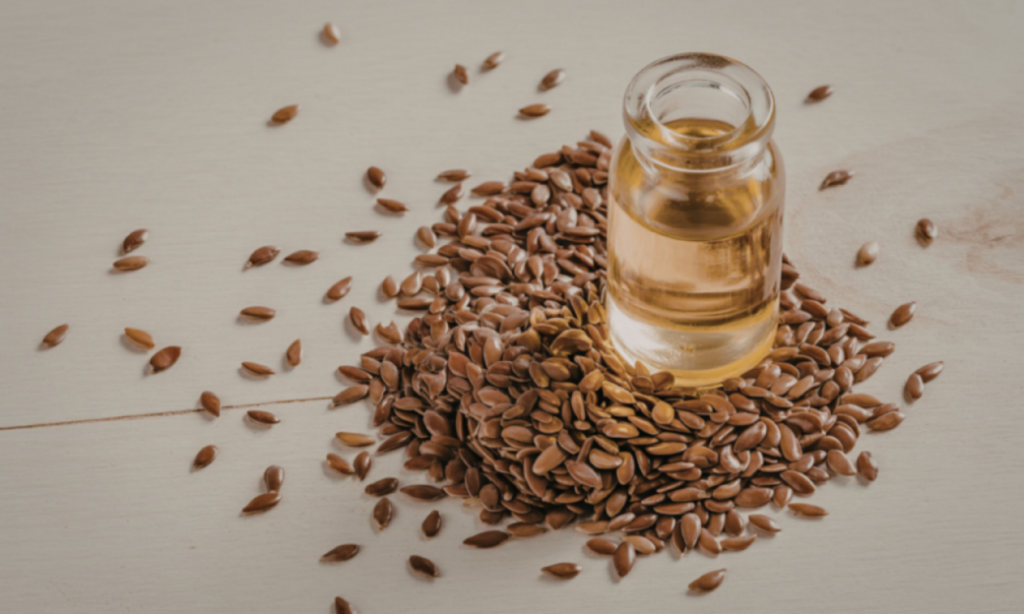
Flaxseeds / oil
Flax has been enjoyed for thousands of years throughout the world. The first record of people using flax dates back to 5000 BC where burial chambers of southern Mesopotamia displayed flax as an important part of ancient life.
Nutritional benefits include:
Flaxseed contains around 75-800 times more lignans than cereal grains, legumes, fruits, and vegetables. Lignans have a chemical structure much like steroids and have been shown to lower the risk of heart disease, menopausal symptoms, and osteoporosis.
Lignans may protect us against cancer, specifically breast and prostate, both of which are hormone-sensitive cancers.
How to enjoy:
Flax seeds are amazingly versatile. Add 1 tbsp of ground flaxseed to your cereal, yogurt, applesauce, casseroles, pasta, or soup.
Add ground flaxseeds to home-baked goods, such as muffins, cakes, cookies, or breads.
Replace other oils and margarine/butter with flaxseed oil. Use for salad dressings, marinades, and on potatoes or vegetables.
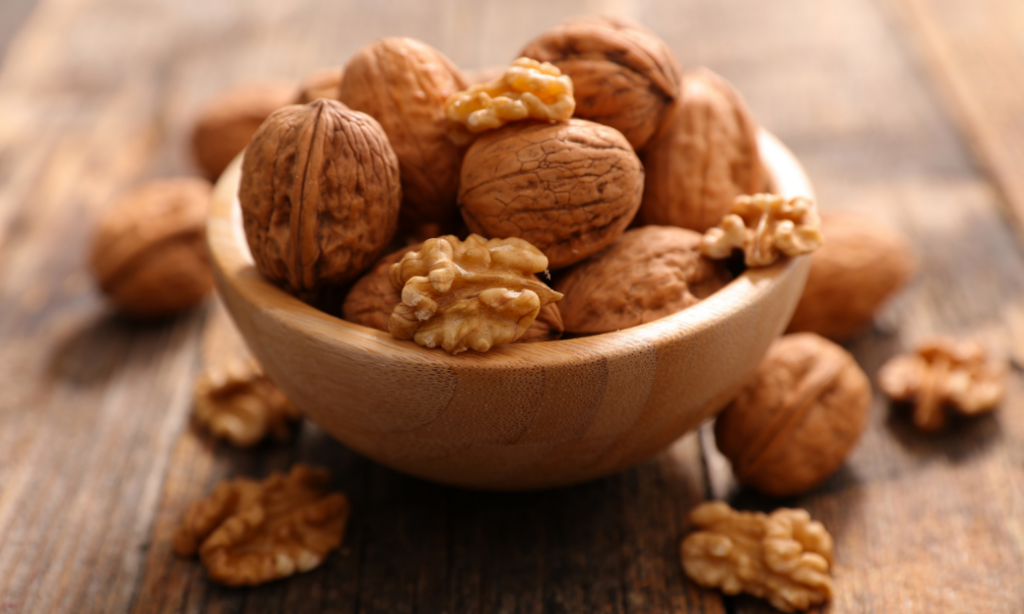
Walnuts
The impressive little walnut is botanically classified as a fruit, but it is technically considered a tree nut. Walnuts were known as the “nut of kings” in ancient Persia; they were once reserved for royalty.
Nutritional benefits include:
All nuts are cancer protective, and walnuts have specific nutrients that are cancer-fighting. Gamma tocopherol is a unique form of vitamin E that is anti-inflammatory. Walnuts contain mostly polyunsaturated fats, from ALA, that add to their anti-inflammatory properties.
How to enjoy:
Walnuts taste best when stored properly. Keep them in the fridge and sealed tight. Upgrade your baked goods, like muffins or cookies, with some chopped walnuts. Consider walnuts in your plant-based meals, like a quinoa-bean burger, or to add crunch to a bean taco.
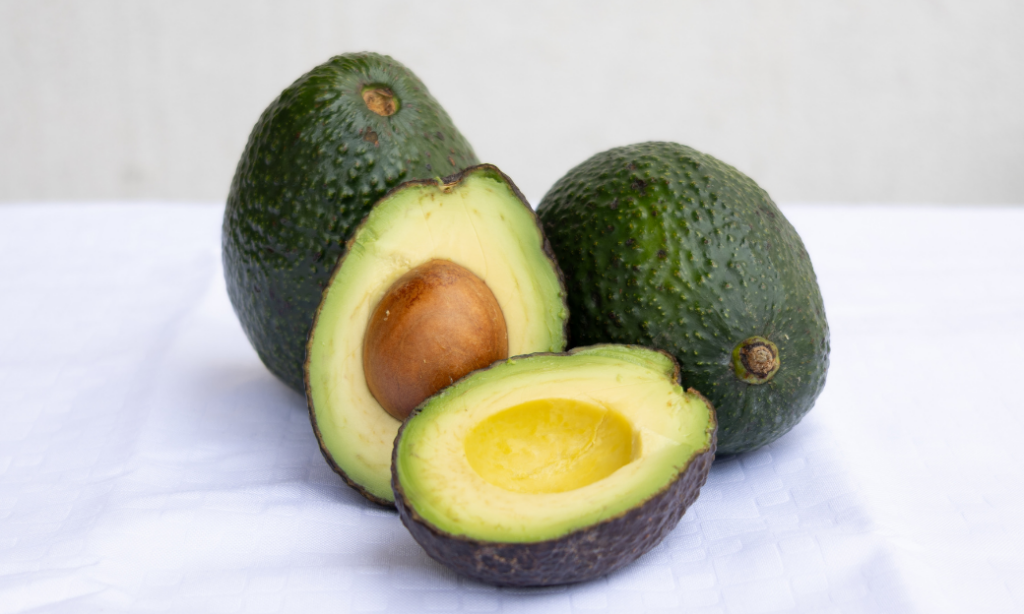
Avocado
When first introduced to the U.S., they were called “alligator pears” due to their bumpy skin. Most people do not know that they are higher in potassium than a banana.
Nutritional benefits include:
Avocado is mostly monounsaturated fat, one of the healthy kinds to enjoy.
Loaded with vitamins A, C, and E as well as mineral selenium. They work as strong antioxidants and keep our healthy cells functioning. Avocados also contain phytochemicals lutein, zeaxanthin, and other carotenoids that support healthy skin and eye function.
How to enjoy:
Avocado is a great way to add satisfaction to recipes such as smoothies or in a green salad. Try using avocado as a spread or to replace mayo if you’re making tuna fish or egg salad.
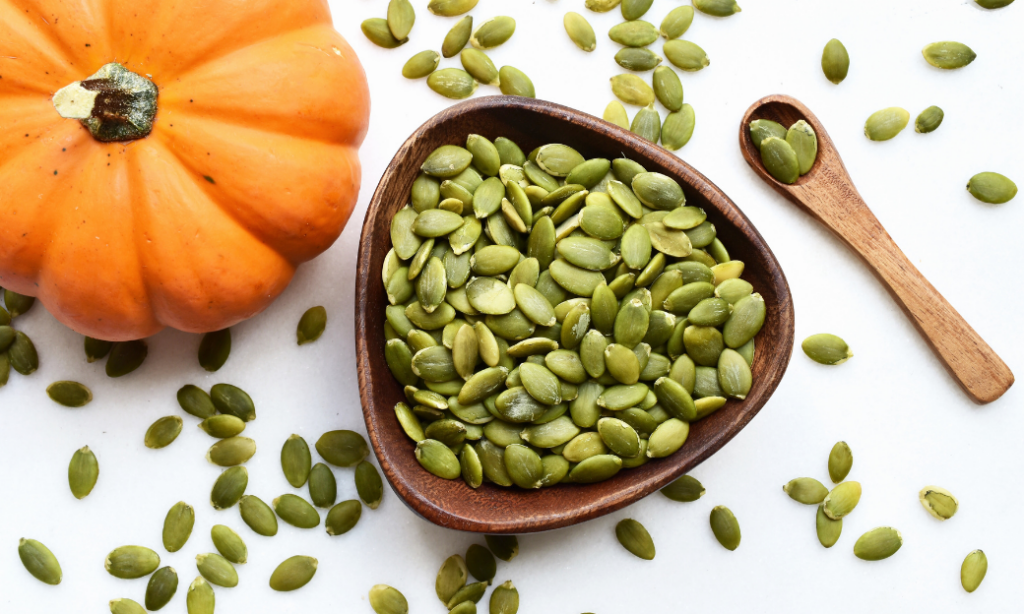
Pumpkin Seeds
Also known as “pepitas” or little seeds of squash
They have been a staple food in North and Central America since 7000 BCE.
Nutritional benefits include:
The healthy fats in pepitas are polyunsaturated. They support a heart-healthy diet by helping lower LDL.
Packed with magnesium, iron, and zinc to support our immune function. They contain tryptophan, which also aids our immune system and supports a good night’s sleep. A 1-ounce serving provides 8 grams of protein, rounding them out to be a nutritious package!
How to enjoy:
A super versatile seed! While they are delicious in the pure form to snack on, try them in your smoothie, or on top of a soup or salad.
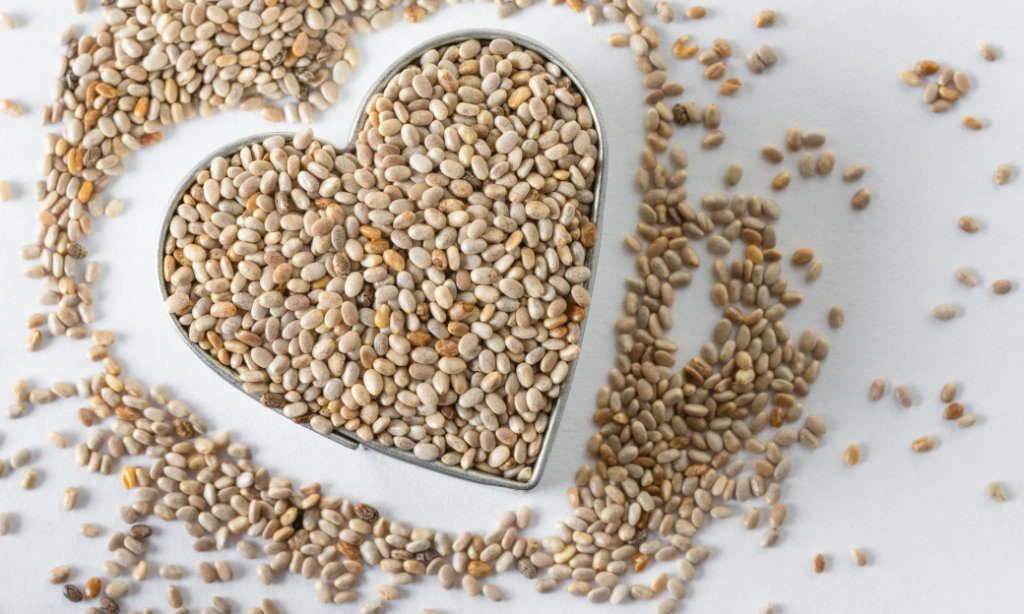
Chia Seeds
They have a mucilaginous quality, or sticky, which make them perfect to retain moisture in many different recipes like baked goods.
Nutritional benefits include:
More Chia seeds, like flaxseeds, are a powerhouse of fiber and healthy fats. Chia seeds have mostly polyunsaturated fat called ALA. This type of healthy fat possesses anti-inflammatory properties. ½ of the fat in avocados is monounsaturated fat, which can help lower the “bad” cholesterol in your blood.
How to enjoy:
A trendy treat is chia pudding. Simply add milk or a nondairy alternative and stir with add-ins like peanut butter, mashed banana, or diced fruit. Check out this month’s recipe for inspiration.
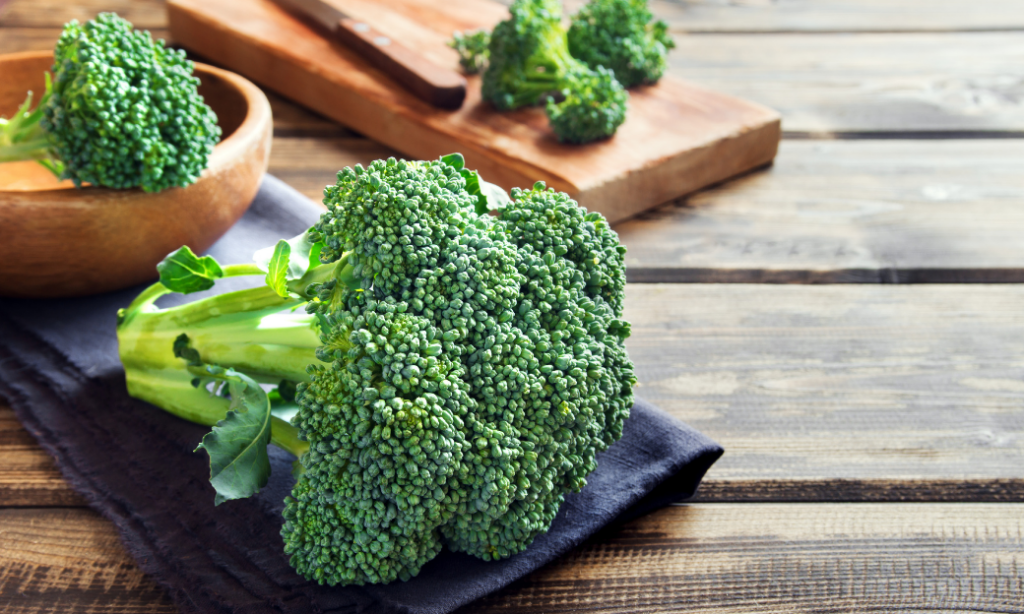
Broccoli
Broccoli was cultivated from wild cabbage in the Roman Empire over 2000 years ago. The name comes from “broccolo” meaning the flowering crest of a cabbage
Nutritional benefits include:
Contains sulforaphane, a plant compound studied for its cancer-fighting properties. It may help detoxify carcinogens, reduce inflammation, support the repair of cells, and activate tumor suppressor genes.
How to enjoy:
Dip in hummus or plain Greek yogurt with some everything bagel seasoning. Drop chopped, small pieces into your favorite soup, stir-fry, or pasta dish.
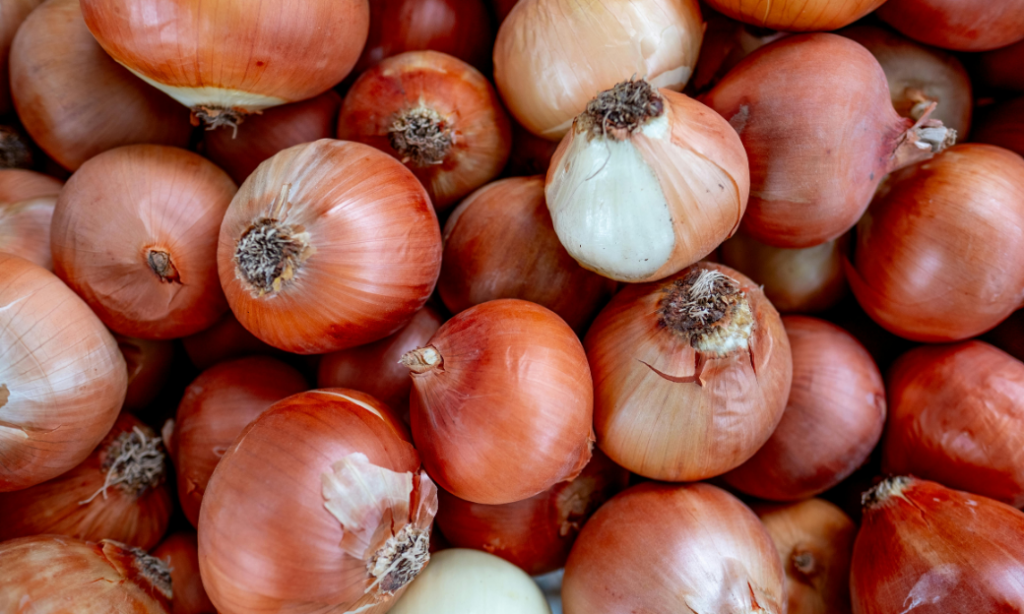
Onions
In Ancient Egypt, onions were sometimes used to pay workers building the pyramids because they were considered both valuable and nourishing.
Nutritional benefits include:
The pungent aroma of onion is thanks to its sulfur compounds. These substances help support detoxification pathways, protect from digestive cancers, and provide antimicrobial benefits.
How to enjoy:
Slice your favorite onion into salads or grain bowls. If raw onions are too sharp, try soaking sliced onions in cold water to reduce the sharpness
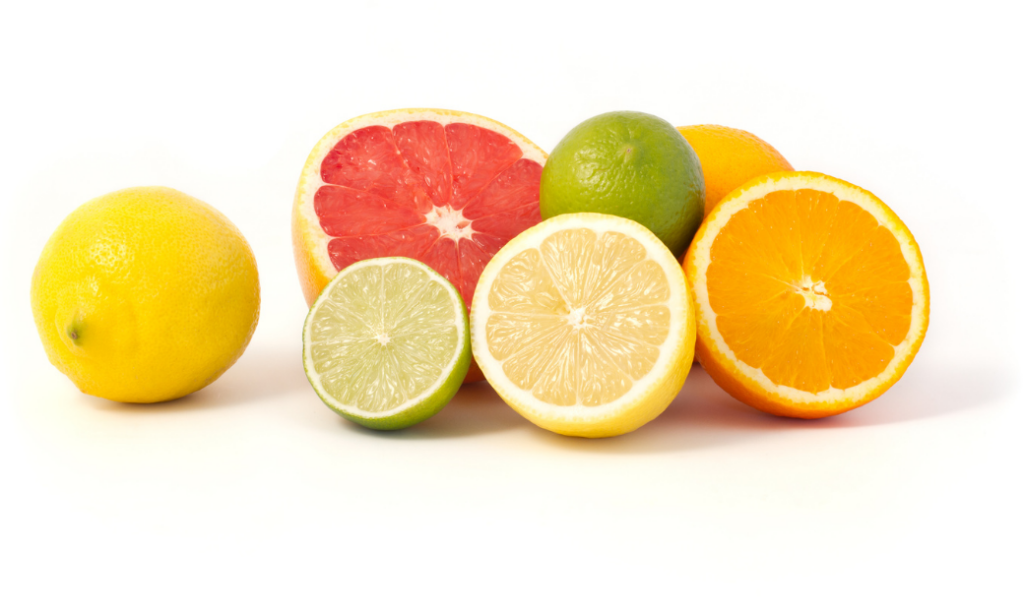
Citrus Fruits
Nearly all modern citrus varieties are hybrids of three original fruits, including citrus medica, citrus maxima, and citrus reticulata.
Nutritional benefits include:
The citrus peels contain more antioxidants than the juice, essential oils like limonene, and flavonoids. The vitamin C content supports immune function, helps collagen production, and is a strong antioxidant.
How to enjoy:
Grate a little citrus peel (but not the bitter-tasting pith) into yogurt, oatmeal, smoothies, or salads. Infuse water, sparkling water, or herbal tea with strips of citrus peel.
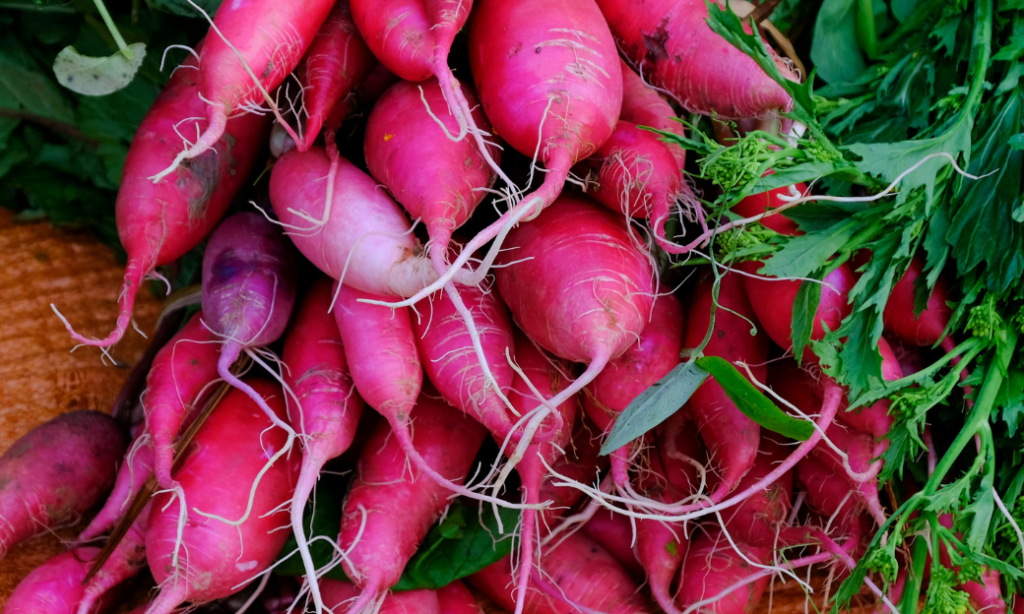
Radishes
Radishes are one of the fastest-growing vegetables. Some are ready to harvest in just 3-4 weeks.
Nutritional benefits include:
Glucosinolates are natural compounds that give radish a peppery kick and are known to be cancer-fighters.
Radishes contain fiber and other compounds known to stimulate digestive enzymes and support gut health.
How to enjoy:
Slice radishes into green salads or a grain bowl. Sprinkle raw radishes with a little sea salt, which reduces sharpness and enhances sweetness. Layer sliced radishes onto avocado toast.
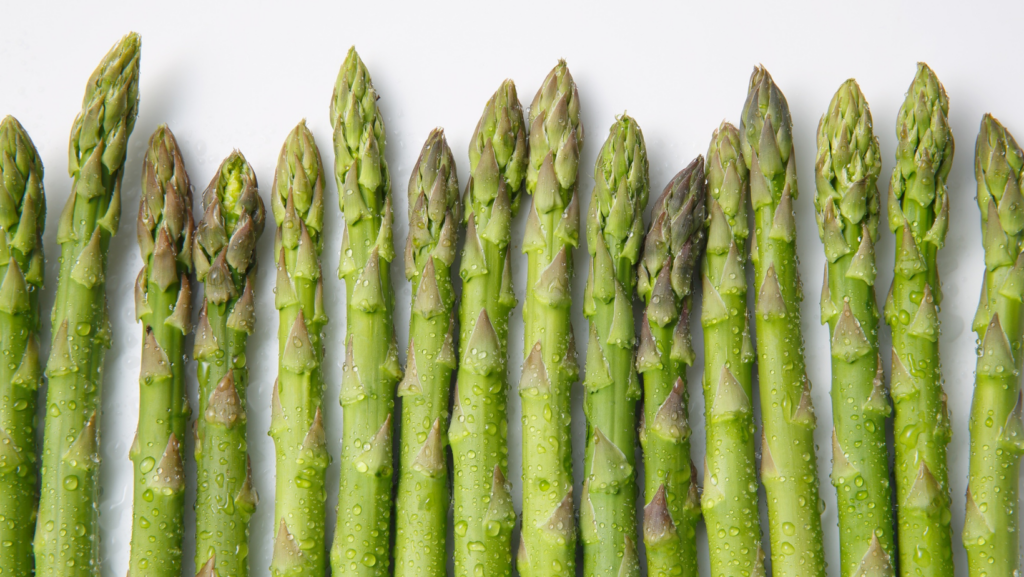
Asparagus
An iconic spring vegetable celebrated by ancient civilizations, including the Egyptians and Romans. It is most delicious when grown locally and enjoyed in the spring.
Nutritional benefits include:
Full of vitamins and minerals, including vitamin C, folate, and potassium. A source of inulin, which is a prebiotic that helps feed the beneficial microbes that live in our gut.
How to enjoy:
Did you know that you can eat raw asparagus? Try using your vegetable peeler to peel long ribbons for a salad. Grilling asparagus will bring out its natural nutty flavor.
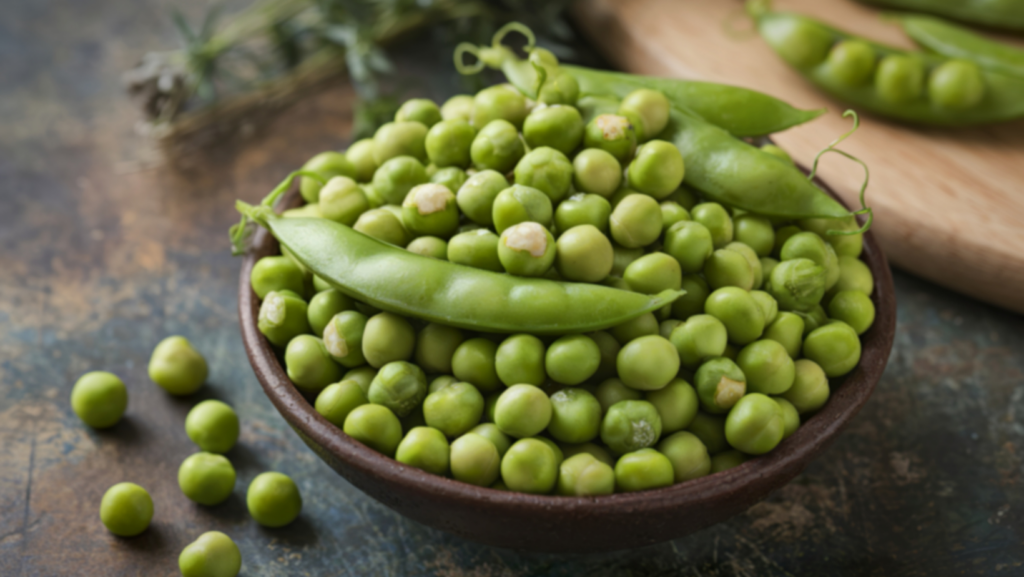
Peas
Peas are a type of legume; both garden and field peas were historically consumed dried. Garden, sugar snap, and snow peas are all spring vegetables, starting in April.
Nutritional benefits include:
As a legume, all peas are a source of plant protein. They are also packed with vitamins and minerals, including vitamins C, A, K, and folate, as well as iron, zinc, and magnesium. Peas also contain polyphenols, which possess antioxidant and anti-inflammatory properties.
How to enjoy:
Don’t overcook! Peas shine when just heated through. For a simple pea salad, toss peas with feta or Parmesan, lemon zest, olive oil, and cracked pepper.
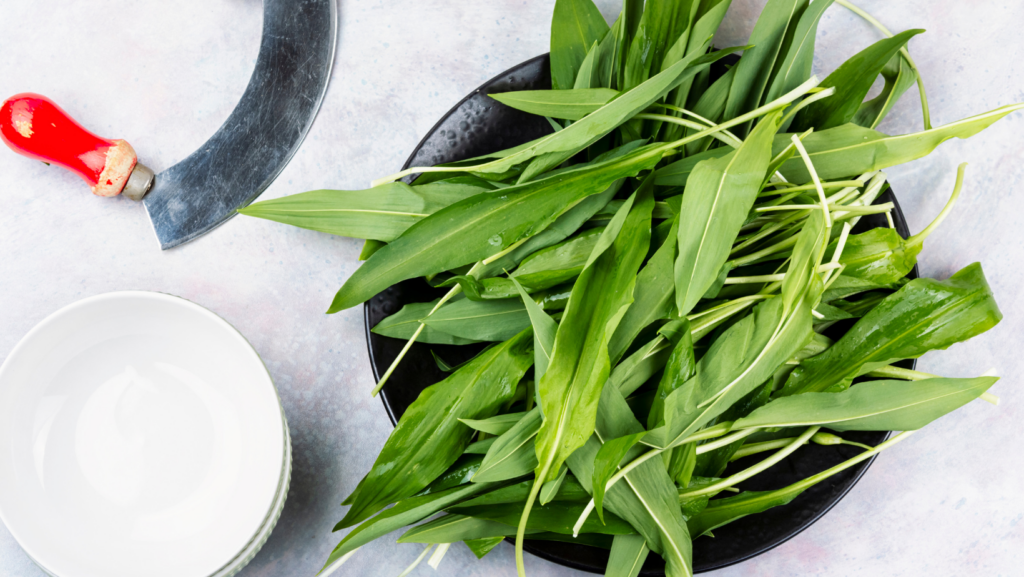
Ramps
Ramps are a welcome sign of spring in the eastern mountain states of West Virginia, Kentucky, and Tennessee, where they are very much a part of the regional food culture.
Ramps taste like a peppery and pungent cross between onion and garlic.
Nutritional benefits include:
High in both vitamins A and C, which we know are the strongest antioxidants in our diet. As a member of the allium family, they contain quercetin, which inhibits cancer cell growth.
How to enjoy:
Ramps, unlike conventional leeks, require little cleaning. Just give them a good rinse, trim the root hairs, and they are ready for cooking. You can also eat them raw if you’re feeling especially adventurous.
You may enjoy them pickled or as a pesto.
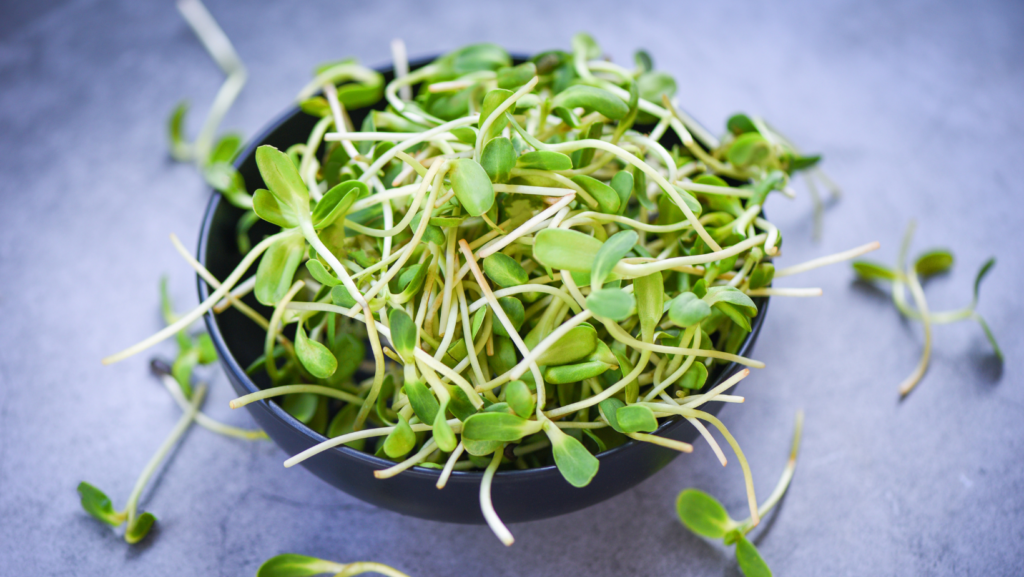
Sprouts
We can sprout almost any seed, but the two most common sprout types at the market are bean and alfalfa. They, along with their cousins, microgreens, are gaining popularity. You might find all sorts of different sprouts and microgreens at your favorite farmer’s market.
Nutritional benefits include:
Sprouts are concentrated sources of micronutrients, including vitamins C and K, along with phosphorus and iron. For the sake of food safety, if you are immunocompromised, cooking your sprouts helps destroy any harmful pathogens.
How to enjoy:
Try stir-frying your sprouts to retain their crunch. Enjoying them in a stir fry invites more vegetables into your diet, too!
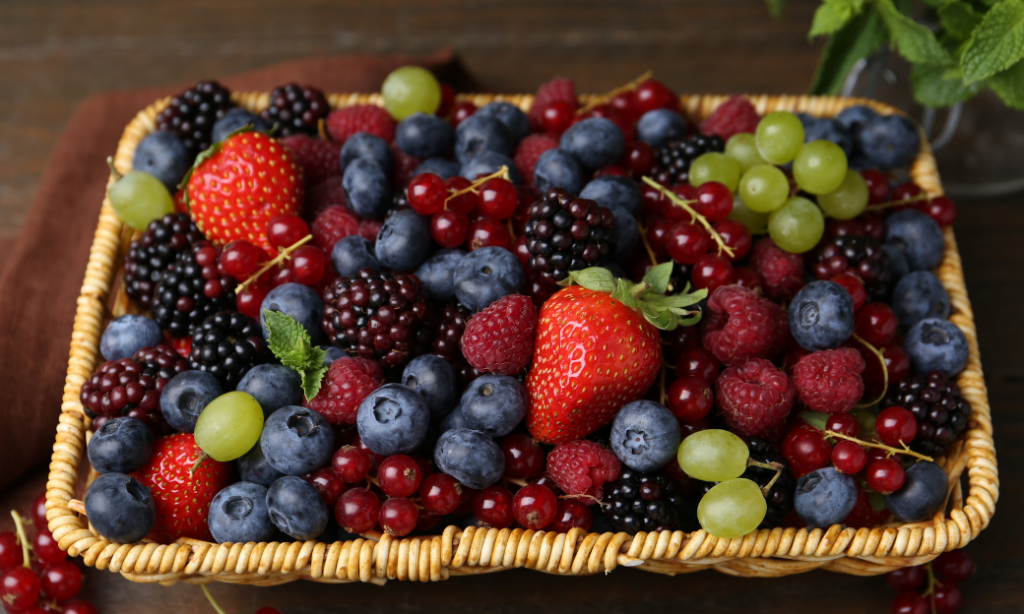
Berries
Strawberries, blackberries, blueberries, and raspberries are nutritional powerhouses.
Nutritional benefits include:
1 cup of raspberries packs an impressive 8 grams of dietary fiber.
Wild blueberries are considered to have twice the amount of antioxidants compared to cultivated blueberries. Look for wild blueberries in the frozen section of the store.
Each of these berries contains anthocyanidins, which are both anti-cancer and heart-healthy.
How to enjoy:
Simply top your cereals, yogurts, or salads with your favorite or a combination of berries.
Enjoy their sweet flavor in the purest form as a substitute for dessert.
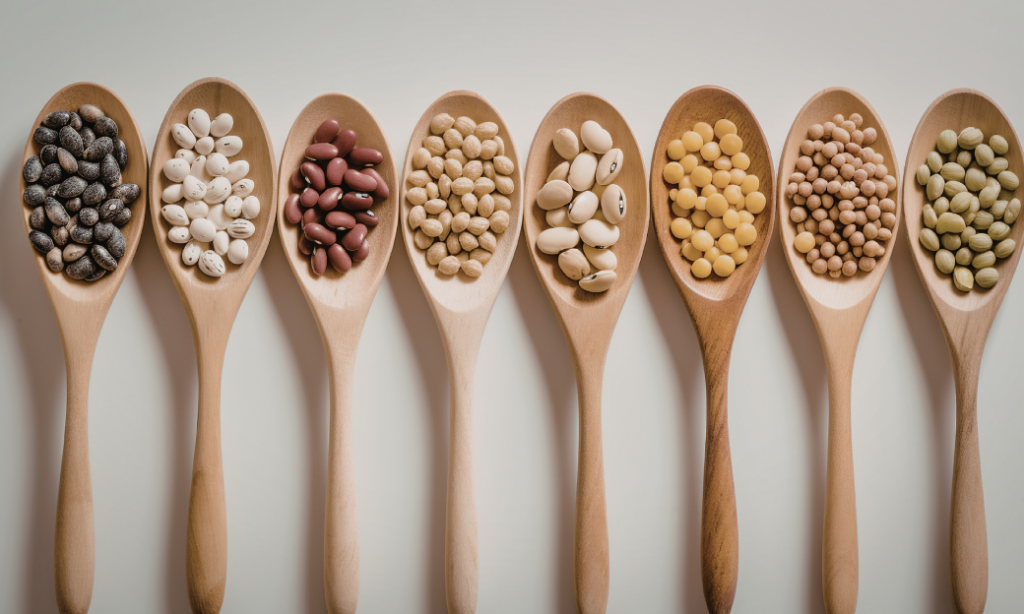
Legumes
Legumes include beans, lentils, and peas, and are a complete package of nutrition. From the plant proteins to the boost of magnesium, potassium, folate, and iron, each type of legume has lots to offer.
Nutritional benefits include:
A reliable source of both plant protein and fiber, all legumes contain resistant starches that fuel the beneficial bacteria in our gut. Plant chemicals known as flavonoids in the outer bean layer are strong antioxidants.
How to enjoy:
Beans and lentils are super versatile. Try roasting beans for a crunchy, nutritious snack. Toss your favorite bean with chopped veggies and a homemade vinaigrette for an easy side salad.
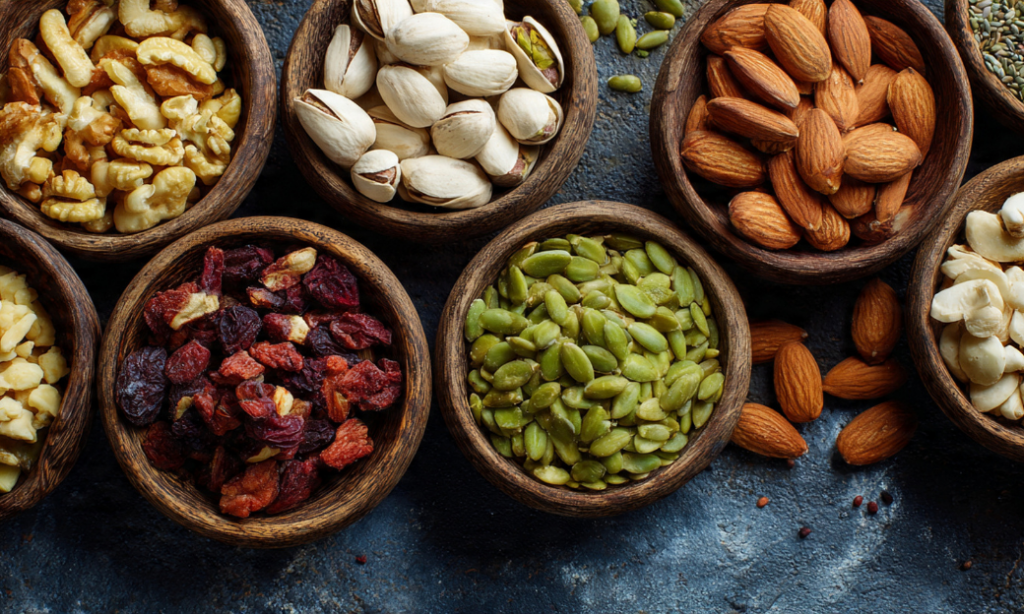
Raw nuts and seeds
Not only do nuts and seeds contain plant protein, healthy fats, and fiber, they are associated with protection against heart disease and weight management.
Nutritional benefits include:
All nuts and seeds provide healthy fats, including omega 3s that help fight inflammation. Nuts and seeds may also contain additional compounds like melatonin and a form of vitamin E that provide cancer protection.
How to enjoy:
Toss them into your cereals, make a homemade trail mix, or replace croutons on your salad with a handful of nuts of your choice
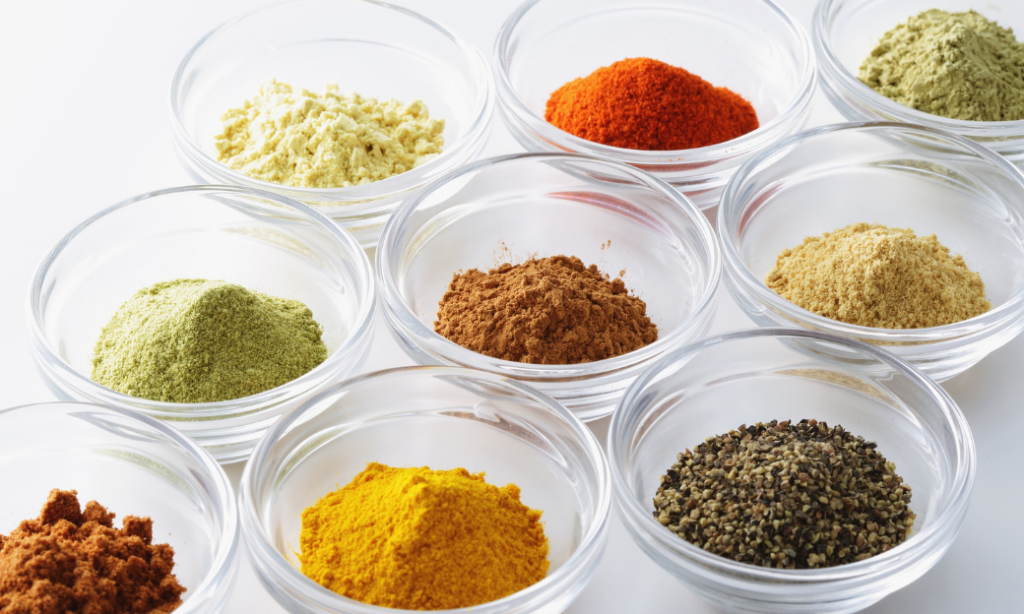
Spices
Spices are a great way to add flavor and variety to your meals, but they are also very powerful sources of anti-inflammatory nutrients. You really can’t go wrong with any herb or spice for this benefit.
Nutritional benefits include:
The most researched spices are turmeric, ginger, cinnamon, cloves, and black pepper, among a handful of others. Each of these possesses strong anti-oxidant and anti-inflammatory properties.
How to enjoy:
Keeping your spice rack full helps elevate almost any dish. Try shaking ginger and cinnamon on your hot cereal, turmeric on roasted veggies, or cracking black pepper into essentially anything!
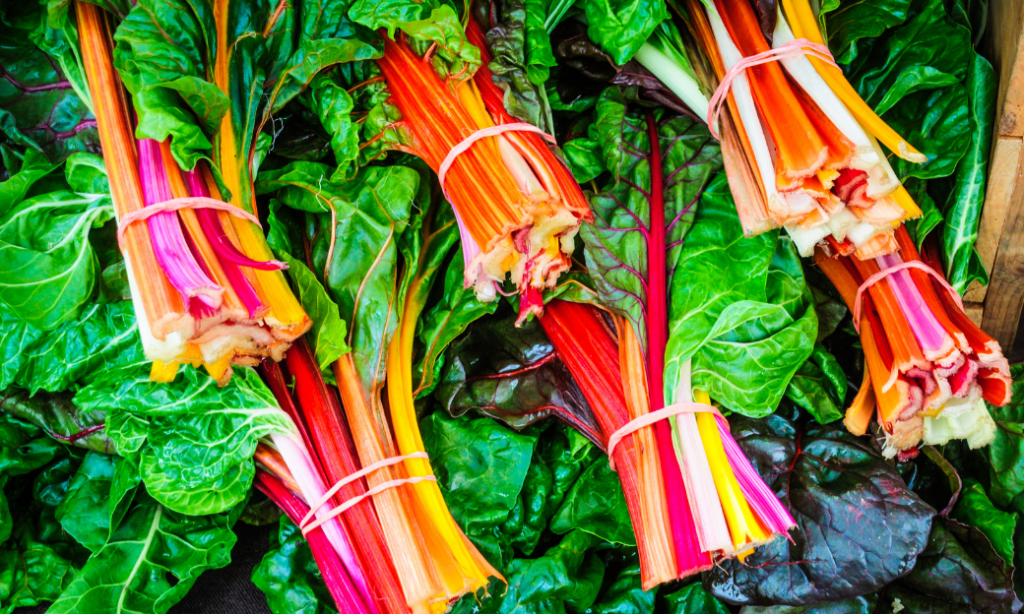
Swiss Chard
Swiss chard is a member of the Amaranthaceae botanical family, which also includes amaranth, beets, quinoa, spinach, and sugar beets.
Nutritional benefits include:
Contains 13 different antioxidants that help to protect us from cancer. Notable cancer fighters in Swiss Chard include beta-carotene, lutein, and zeaxanthin.
There are also vitamins A and C, as well as magnesium.
How to enjoy:
Simply saute Swiss chard with olive oil and sea salt for a tasty side dish.
Add baby Swiss chard to your favorite smoothie.
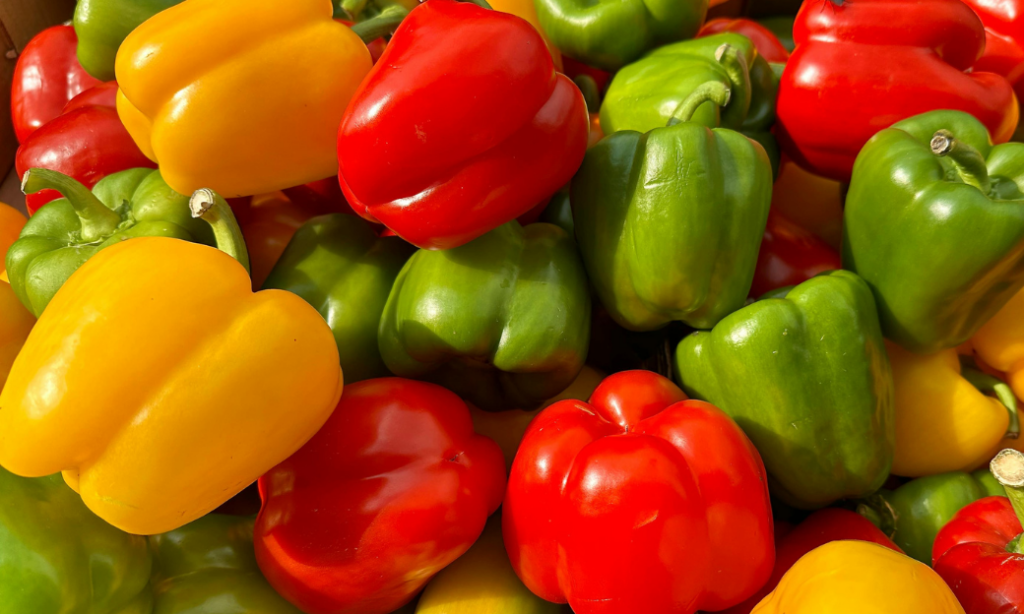
Bell Peppers
All peppers start green, and as they mature, they change to yellow, orange, and finally red. They become sweeter and more nutritious the longer they stay on the vine.
Nutritional benefits include:
Contain many bioactive compounds, including vitamins C and E. Also supply cancer-fighting compounds like phenolic acids, flavonoids, and carotenoids.
How to enjoy:
Slice into rings for your next crudité. Stuff hollowed-out bell peppers with black beans and corn for a vegetarian meal.
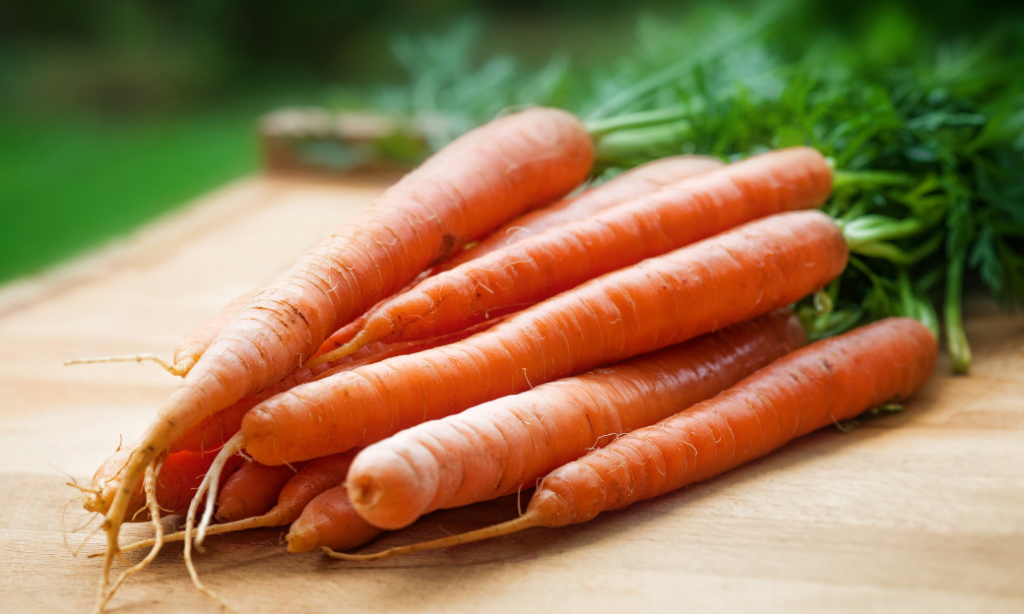
Carrots
Original carrots were purple or yellow, but not orange. Look for a variety of colors like white and red to invite a rainbow of nutrition to your plate!
Nutritional benefits include:
Contain vitamins A and C, important antioxidants. A good source of potassium, a mineral necessary to help control blood pressure. Beta carotene is the phytochemical responsible for the orange color and has antioxidant properties.
How to enjoy:
Simply slice and pair with peanut butter for a nutritious and sustaining snack.
Toss with olive oil and roast to bring out their natural sweet flavor.
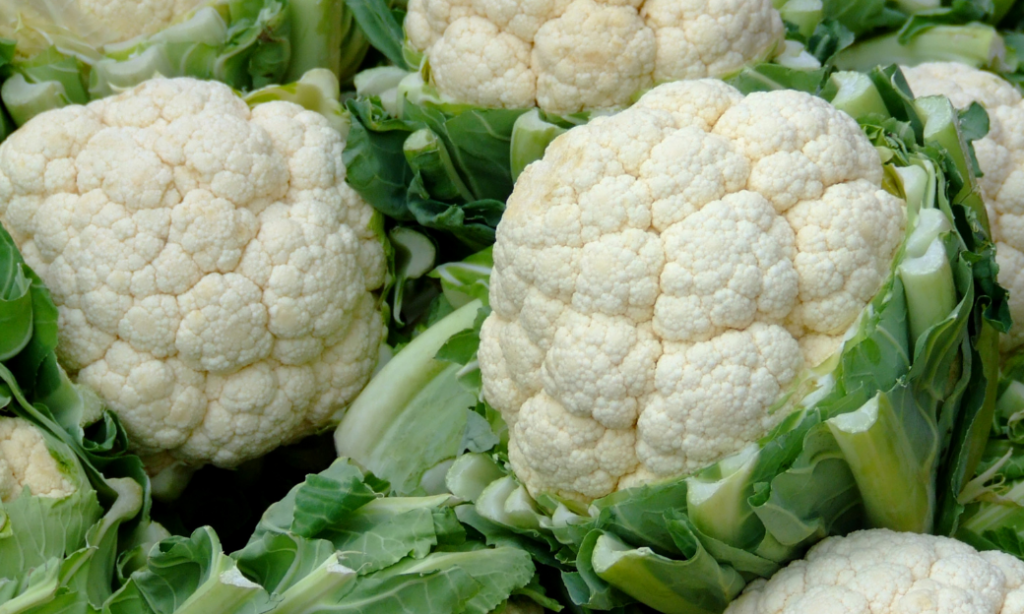
Cauliflower
Belongs to the nutritional powerhouse family of cruciferous vegetables. Look for varieties like broccoflower (green cauliflower), purple, and orange colored cauliflower.
Nutritional benefits include:
A great example of a nutritious vegetable that lacks color. Contains glucosinolates that are responsible for its aroma and flavor. These compounds enhance the detoxification processes in our body.
How to enjoy:
Try blending it into creamy, dairy-free soups or combining it with potatoes for a nutrition upgrade.

Peaches
Peach season runs May through August, with a little wiggle room, depending on the weather and climate.
If you’ve picked up a peach in a grocery store in February, you can bet it traveled thousands of miles to meet you.
Nutritional benefits include:
The body uses beta-carotene and alpha-carotene to form vitamin A, which helps protect against cancer through the immune system and expression of genes that regulate cell growth.
How to enjoy:
The quintessential summer treat! Eating a fresh, local peach requires nothing else to be enjoyed. If you are looking for creative ways to use peaches, try adding them to a green salad, like arugula, for an interesting combination.
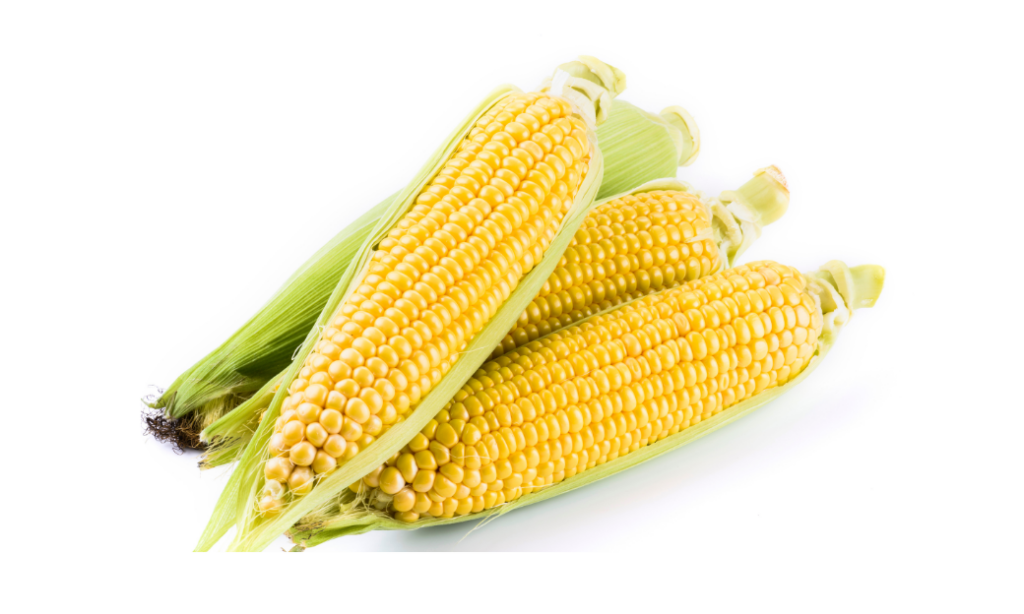
Corn
Corn is classified as a grain (as it belongs to the grass family), a vegetable (culinary use), and a fruit (botanical classification)!
Nutritional benefits include:
Yellow corn gets its vibrant color from carotenoids like lutein and zeaxanthin, which are crucial for protecting eye health and preventing age-related vision decline. Varieties like blue and purple corn contain anthocyanins—powerful antioxidants linked to lower blood pressure, reduced inflammation, and better heart health.
How to enjoy:
Corn is incredibly versatile—you can take it far beyond classic corn on the cob.
Combine corn, avocado, diced cherry tomatoes, red onion, lime juice, avocado oil, and a pinch of salt for a delicious summer side.
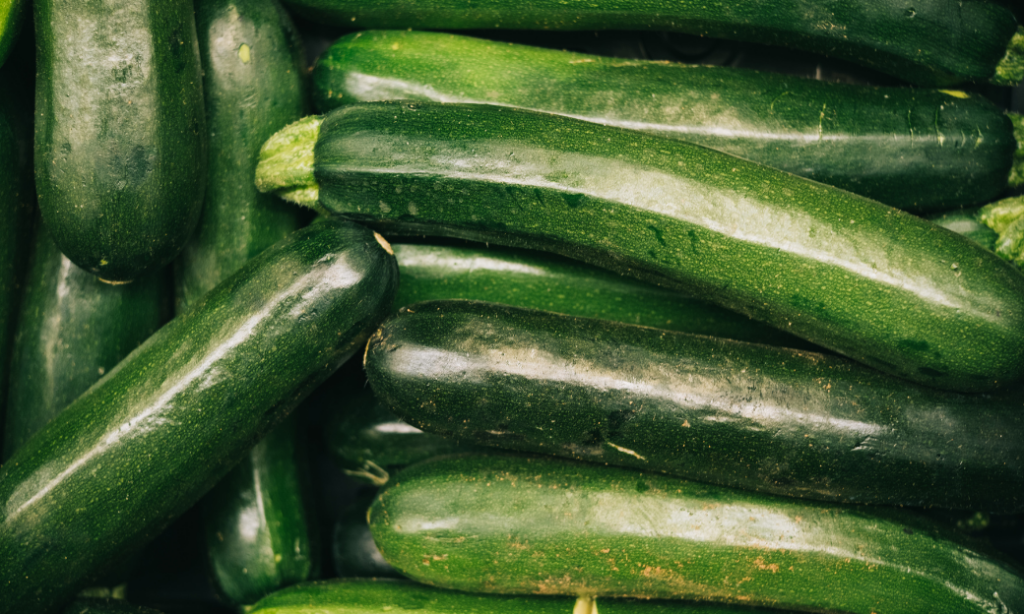
Zucchini
Zucchini is also known as a courgette, and belongs to the Cucurbitaceae family. The flowers are also edible, most commonly fried. It is the only common fruit that begins with the letter “z”.
Nutritional benefits include:
Packed with potassium, and important mineral for bone health, blood pressure control, and fluid balance. Contains both vitamins A and C, which play important roles as anti-oxidants in a cancer protective diet.
How to enjoy:
Zucchini can be enjoyed raw as a snack, cut into coins to dip into hummus or tzatziki.
Try grilling zucchini to take on more flavor and add to your favorite pasta dish or as a simple side.
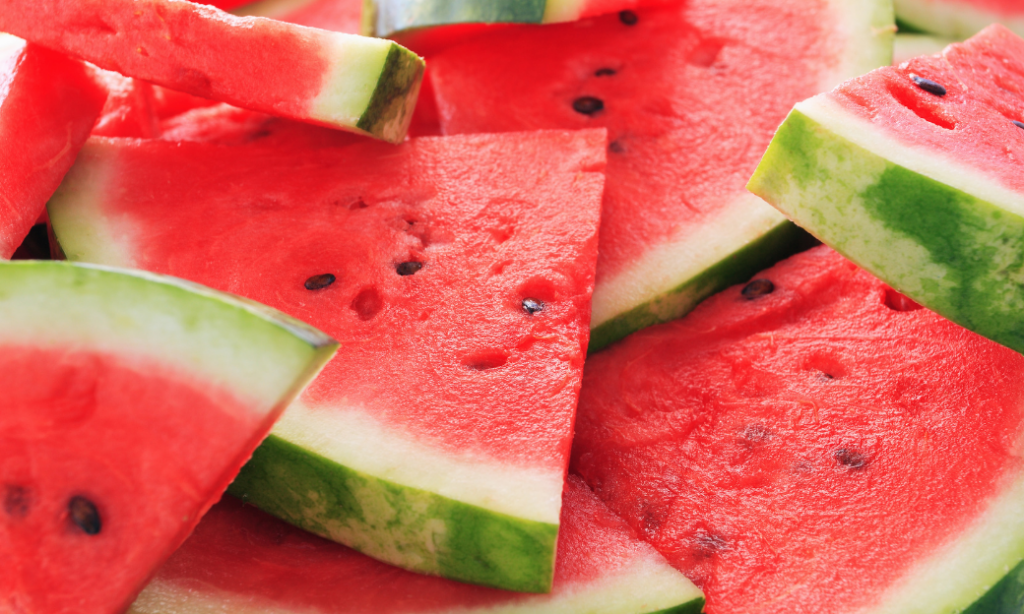
Watermelon
Watermelon consists of 92% water and sometimes known as “nature’s canteen”. There are over 1200 varieties grown around the world, with yellow, orange, and white flesh.
Nutritional benefits include:
Contains lycopene, an anti-oxidant known for its cancer protection.
Water has vitamins A, B6, C, thiamin, and the minerals potassium, and magnesium which all work to help our bodies function at their best.
How to enjoy:
Did you know that watermelon rinds are edible? In some southern states, rinds are often pickled! The flesh of a watermelon is a delicious snack on its own, but also refreshing when added to salsas, salads, or gazpacho.
Try grilled watermelon topped with a drizzle of honey or cilantro.
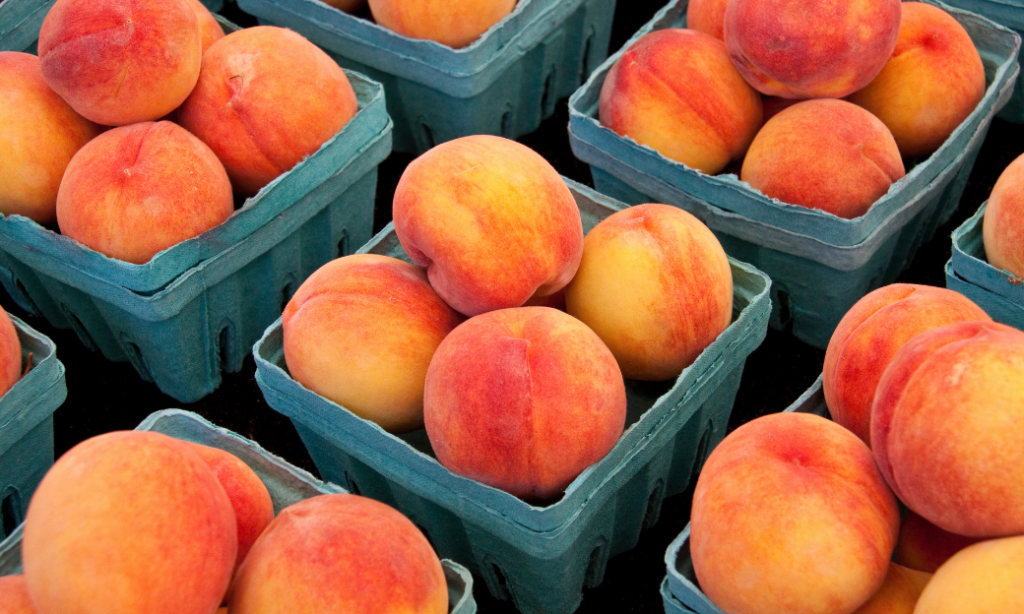
Peaches
Peach season runs May through August, with a little wiggle room, depending on the weather and climate.
If you’ve picked up a peach in a grocery store in February, you can bet it traveled thousands of miles to meet you.
Nutritional benefits include:
The body uses beta-carotene and alpha-carotene to form vitamin A, which helps protect against cancer through the immune system and expression of genes that regulate cell growth.
How to enjoy:
The quintessential summer treat! Eating a fresh, local peach requires nothing else to be enjoyed. If you are looking for creative ways to use peaches, try adding them to a green salad, like arugula, for an interesting combination.
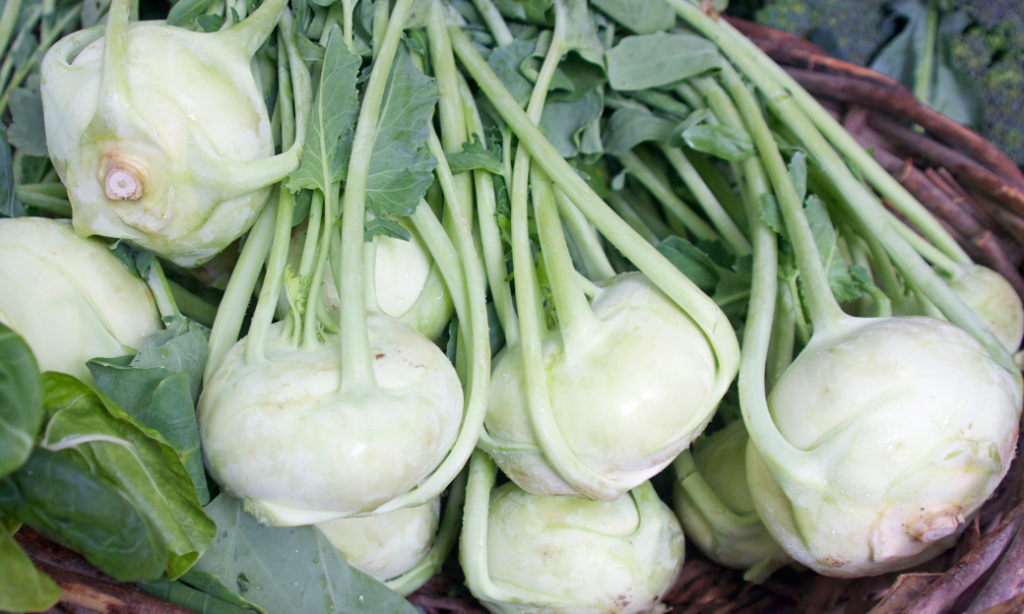
Kohlrabi
Kohlrabi is a member of the cruciferous vegetable family. In German, kohl means “cabbage” and rübe (rabi) means “turnip.”
Nutritional benefits include:
Glucosinolates in kohlrabi make it a potent cancer fighter. These compounds are thought to reduce inflammation, rev up detoxification enzymes in our body, and turn on the tumor suppressor gene.
How to enjoy:
Kolrabi is a versatile veggie because both the bulb and the leaves are edible. Make a delicious slaw by thinly slicing kolrabi and mixing with onion and apples. Or sauté the greens with some olive oil and garlic for root to tip eating!
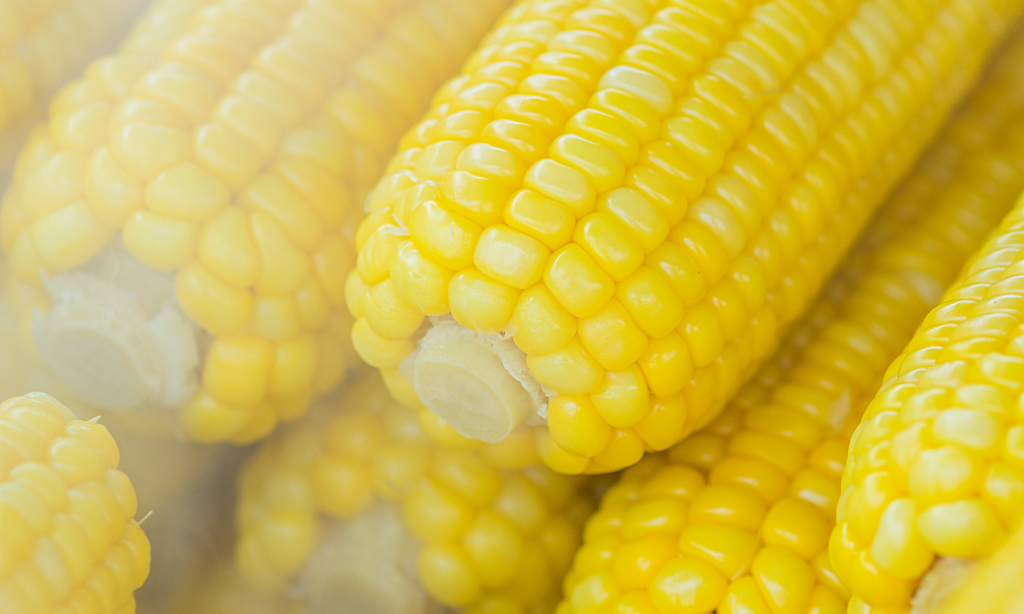
Corn
Corn, aka maize, is actually a grass native to Central and South America. Corn was probably first cultivated in Mexico, where archeological evidence points to the first human-grown corn dating from 5500 BC.
Nutritional benefits include:
Lutein and zeaxanthin are phytochemicals that act like sunscreen for our eyes. They have been shown to slow the progression of age related macular degeneration.
How to enjoy:
Nothing says summer like grilled corn on the cob!
Did you know that you can even eat fresh corn kernels raw, right off the cob?
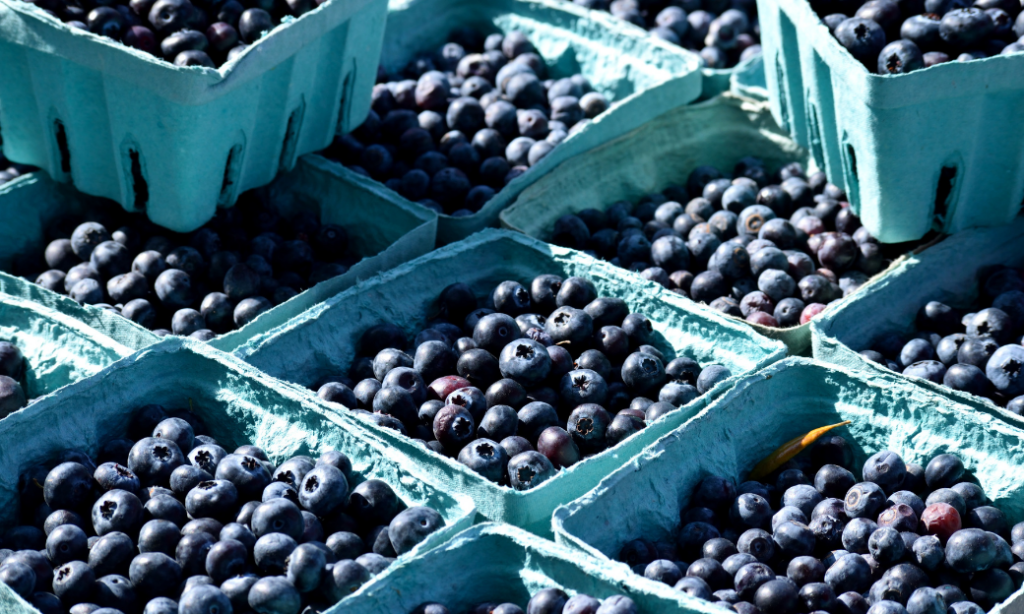
Blueberries
Blueberries have been harvested for thousands of years by Native North American tribes, who used the plant as both food and medicine; for many tribes, blueberries (and their cousin huckleberries) were important both culturally and economically.
Nutritional benefits include:
Polyphenols neutralize cell-damaging free radicals, block tumor growth signals, force abnormal cells to self-destruct, and alert the immune system’s ability to hunt down cancer cells.
How to enjoy:
Make a simple compote with chia seeds to top your oats, yogurt, or nana ‘nice cream.
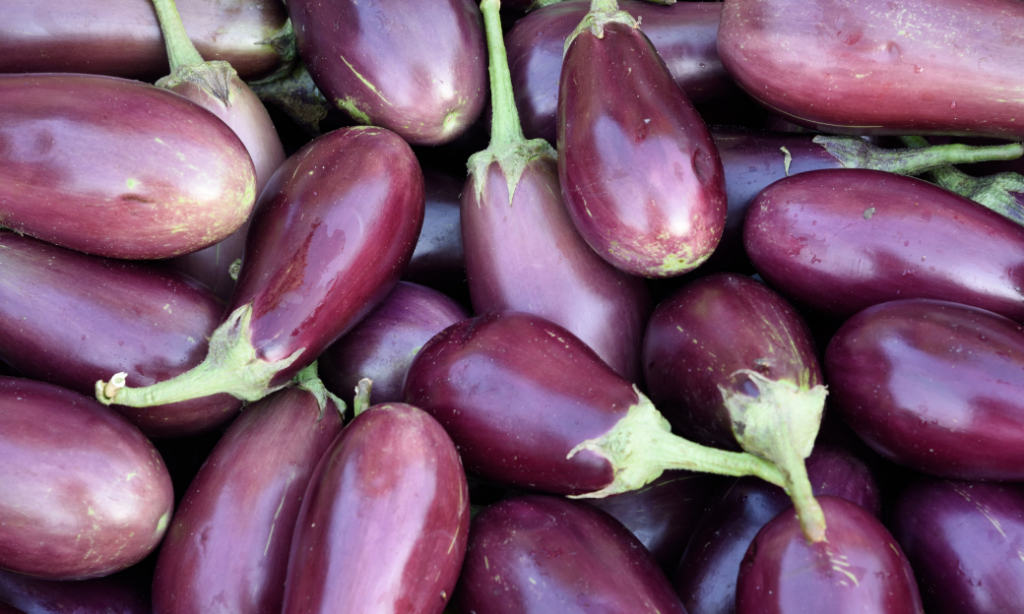
Egglplants
Did you know that eggplants are actually berries, not vegetables? In the U.K., eggplants are called “aubergines”.
Nutritional benefits include:
Most of the nutrients are found in the skin, so nutrition experts recommend not to peel it off. Contains potassium which is essential for bone health and regulating blood pressure.
Contains a compound called nausunin, which acts like an antioxidant to help protect cells from damage.
How to enjoy:
Although not the equivalent of a protein, try replacing meat for an eggplant “burger”.
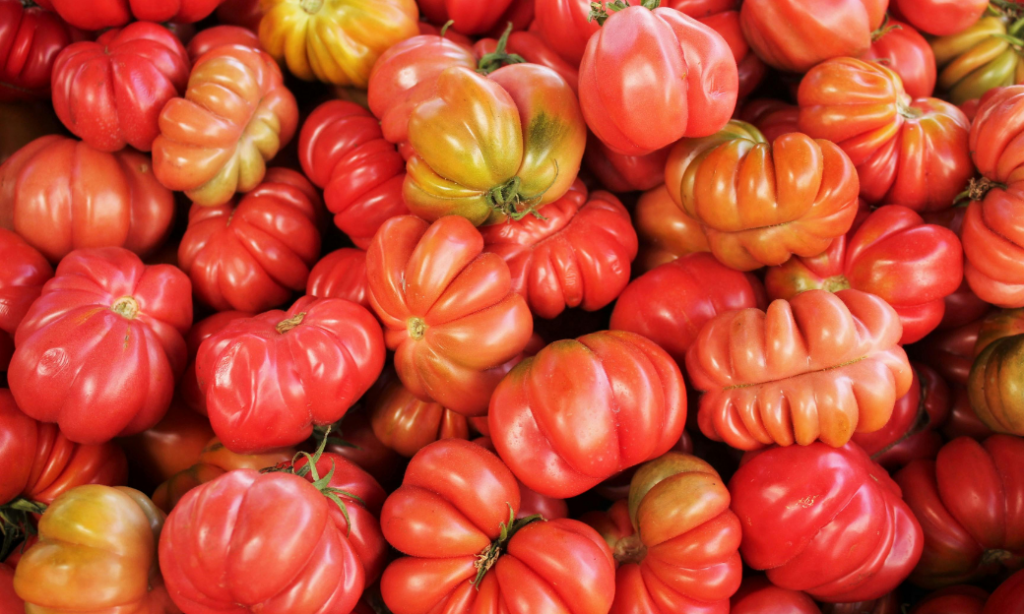
Tomatoes
Tomatoes are technically classified as fruits because they grow from a flower and have seeds. In 1893, the U.S. Supreme Court ruled that the tomato is a vegetable for tax and tariff purposes.
Nutritional benefits include:
High content of lycopene, which is a powerful antioxidant. Cooking tomatoes enhances the potency of lycopene, and consuming it two or more times per week is advised for prostate cancer protection.
How to enjoy:
If you can buy farm fresh or grow your own, simply slice tomatoes and place on top of freshly toasted sourdough, drizzle some olive oil, and finish with salt for a delicious snack.
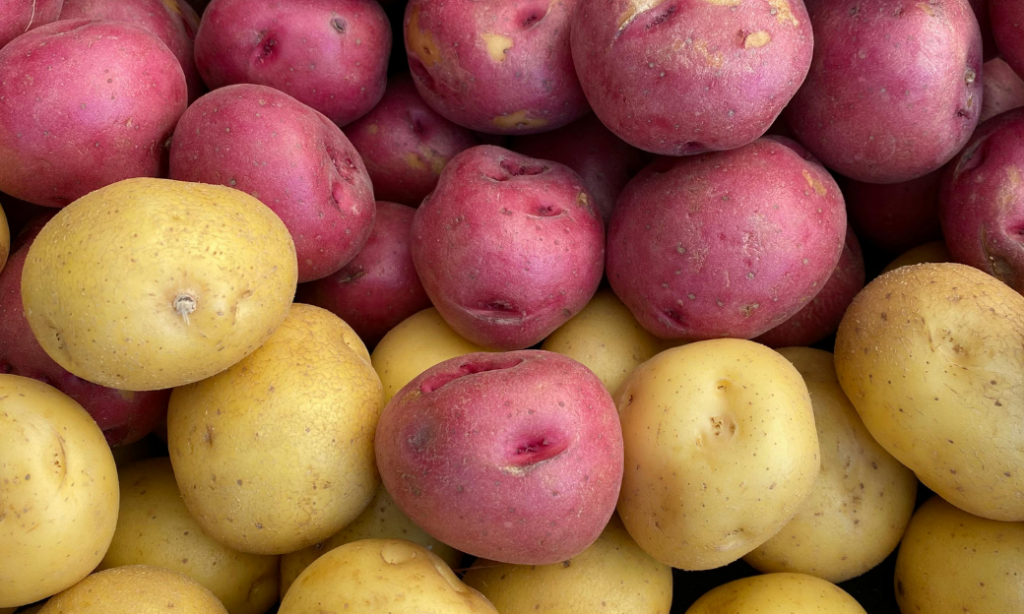
Potatoes
Potatoes are the world’s 4th largest food crop and the 1st vegetable to be grown in space! The Incas of Peru first cultivated potatoes between 8000 and 5000 B.C.
Nutritional benefits include:
Packed with nutrients from potassium, vitamin C, fiber, B6, and even iron.
About half of the potato fiber is within the skin, while the remaining nutrients are within the potato itself.
How to enjoy:
There is not much better than roasting potatoes with olive oil and fresh herbs. Baby potatoes and Yukon gold are the best suited choices!
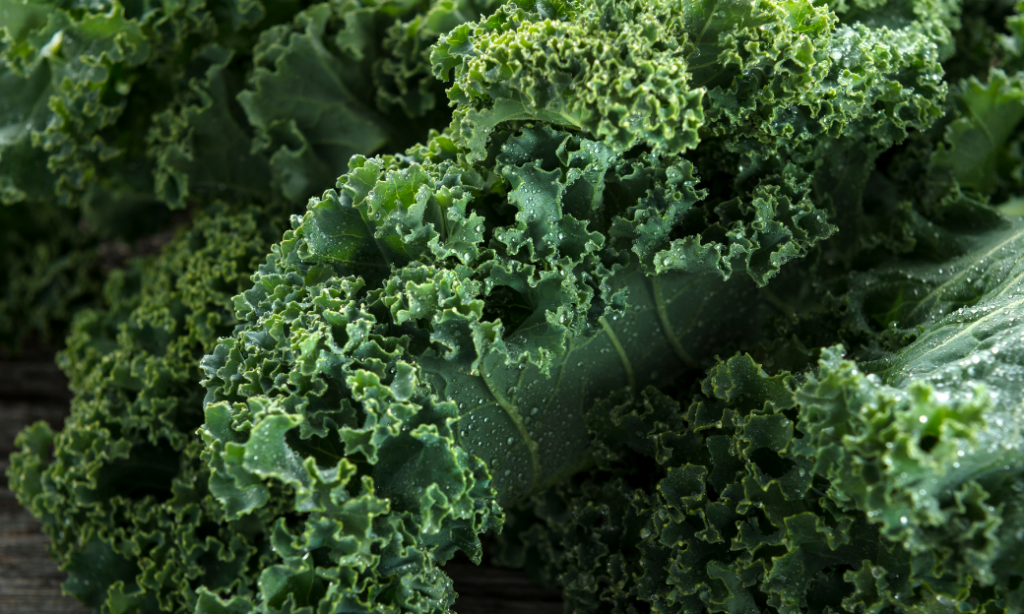
Kale
Did you know that before kale became a trendy health food, it was often used as decorations and garnishes because it looks pretty! In historic Scotland, “kale” was synonymous with “food” and dinner time was called “coming to kale”?
Nutritional benefits include:
Carotenoids such as beta-carotene, glucosinolates, and flavonols. Each of these contributes to anti-oxidant protection and has anti-inflammatory properties. Glucosinolates turn on tumor suppressor genes to slow abnormal cell growth.
How to enjoy:
Have you tried a simple massaged kale salad? It is what it sounds like, simply rub some oil on your hands and massage cut up kale to desired texture!