

Get more more of our Oncology Dietitian approved recipes, cooking videos, nutrition advice and more, straight to your inbox!
Sign up for our Nutrition Newsletter here.
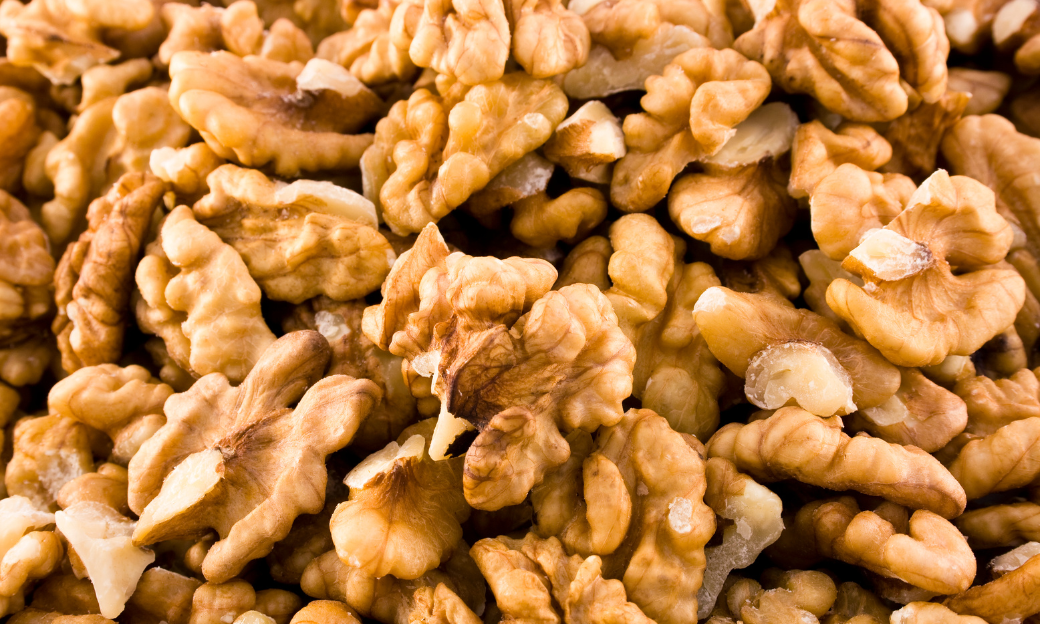
Walnuts
Walnuts were first cultivated almost 7000 years ago in Central Asia. Today, California produces 99% of the American supply of walnuts.
Nutritional benefits include:
Ellagitannins increase antioxidant enzymes, decreasing free radical damage to DNA that can lead to cancer. By influencing gene expression, they decrease growth and stimulate self-destruction of mouth, esophagus, breast, cervix, colon and prostate cancer cells.
Melatonin has been shown to decrease growth of both estrogen-receptor-positive and -negative breast cancer in isolated cells and in animals. Such studies also show decreased growth of prostate and other cancers, with effects seen all across stages of cancer development.
Gamma-tocopherol (a form of Vitamin E) provides anti-inflammatory protection than alpha-tocopherol. In both cell and animal studies gamma-tocopherol decreases cancer cell growth.
How to enjoy:
Add chopped walnuts into a bean burger. Try roasting walnuts to use as a taco meat filling.
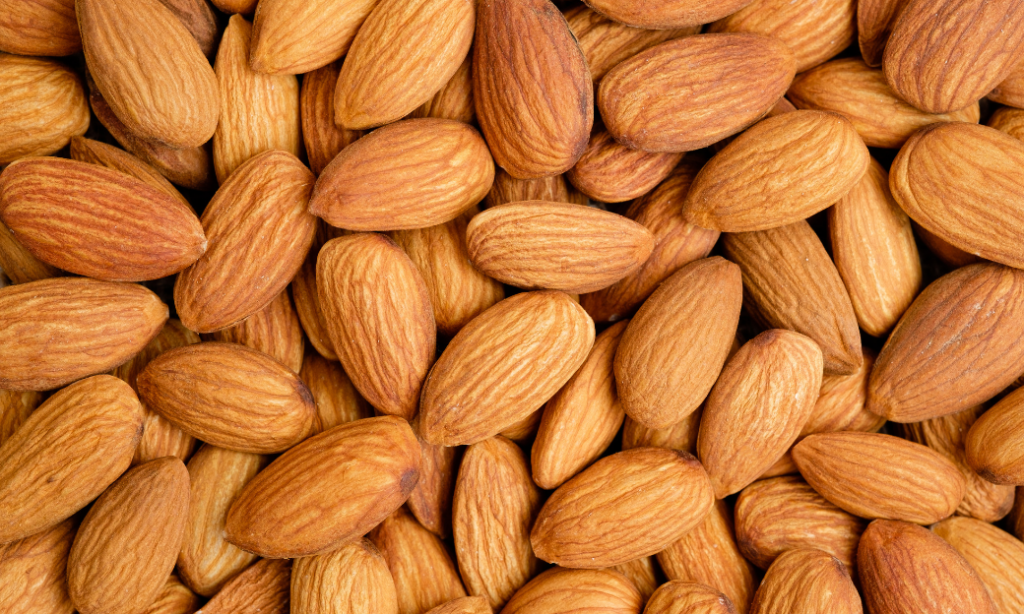
Almonds
Almonds originate from western parts of Asia and China. Newlyweds in ancient Rome were showered with almonds, which were considered a fertility charm.
Nutritional benefits include:
Alpha tocopherol (another form of Vitamin E) acts as an antioxidant, helping to protect cells from the damage caused by free radicals. The immune system also relies on vitamin E for optimal functioning.
How to enjoy:
The quintessential snack food that combines fiber, protein, and healthy fats. Keep a jar on your desk for a quick snack. Sliced almonds on top of hot cereal add texture, flavor, and nutrients.

Pecans
Pecans originate in Central and Eastern North America and are named by Native Americans. Pecan trees range in height from 70 to 100 feet.
Nutritional benefits include:
Gamma-tocopherol provides anti-inflammatory protection more than alpha-tocopherol. In both cell and animal studies gamma-tocopherol decreases cancer cell growth.
Flavonoids (proanthocyanidins, anthocyanidins, and flavan-3-ols) include a large group of phytochemicals. They have been shown to induce cancer cell death.
How to enjoy:
Top ricotta toast with pecans. Add chopped pecans to a pumpkin overnight oats recipe. Roast stone fruit such as plums and top with chopped pecans.
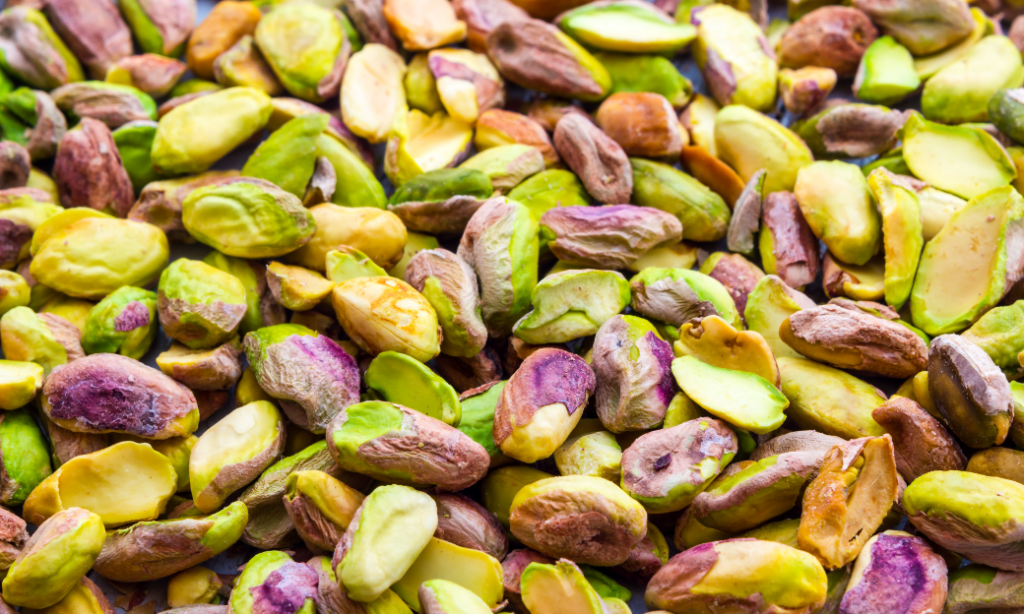
Pistachios
Pistachios originate from Central Asia and symbolize health, happiness, and good luck. In China, they are referred to as the “happy nut”.
Nutritional benefits include:
Lutein and zeaxanthin are antioxidants that are concentrated in the eyes, brain, and skin. They help to neutralize free radical damage.
How to enjoy:
Buy pistachios in their shell, and enjoy cracking into each for a mindful snack. Enjoy fresh sliced citrus with chopped pistachios and cinnamon.
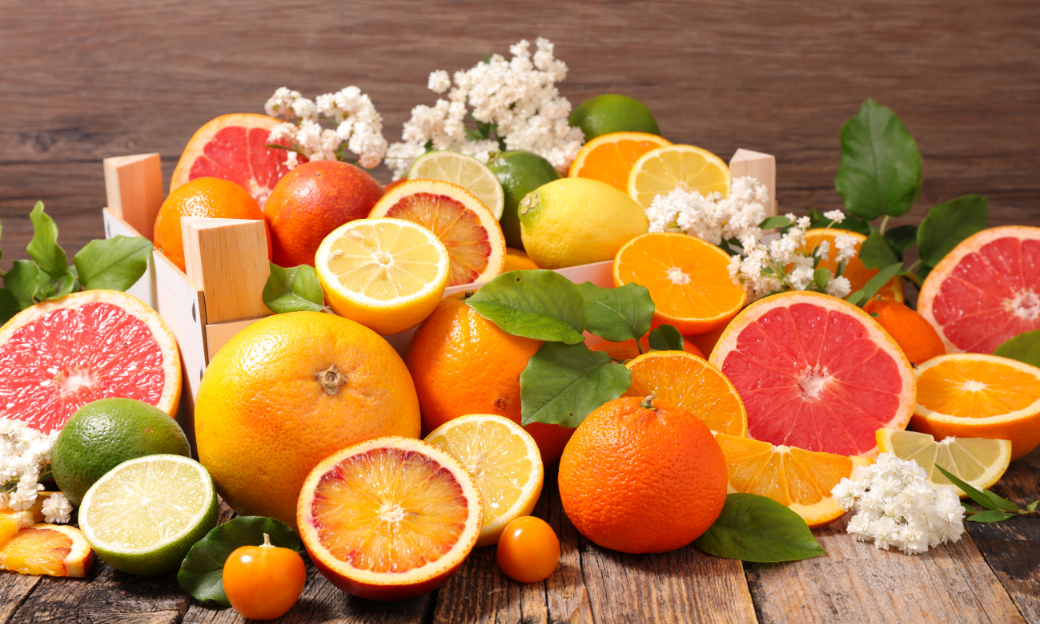
Citrus Fruits
Nutritional benefits include:
Vitamin C, most commonly found in citrus fruits, is the most powerful antioxidant we can eat. It helps to repair cells that become damaged and might otherwise turn into cancer cells.
A serving of citrus fruit will supply all the Vitamin C we need for the day! Terpenes in the peels of citrus and have been shown to slow the growth of cancer cells.
How to enjoy:
Have you tried Sumo Citrus yet? This is a special seasonal citrus fruit only available at this time of the year.
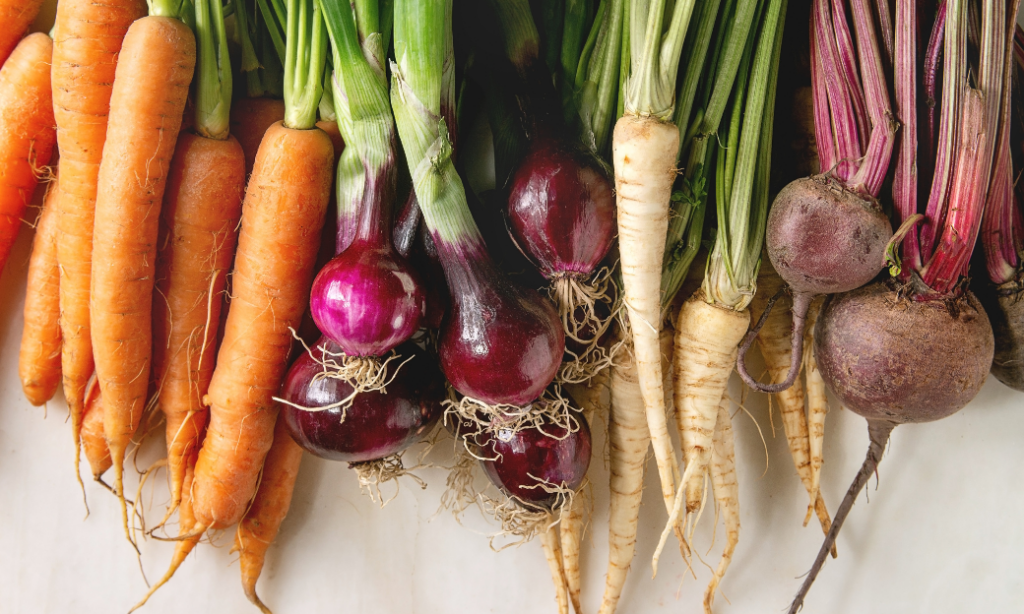
Root Vegetables
Nutritional benefits include:
Root vegetables vary in their nutrient content. Most have carotenoids which act to support our immune system. Many also have resistant starches that are shown to feed the microbes in our gut.
How to enjoy:
Root veggies are best when roasted! Toss with a little bit of olive oil, salt, and pepper and heat for 20-30 minutes at 400 degrees.
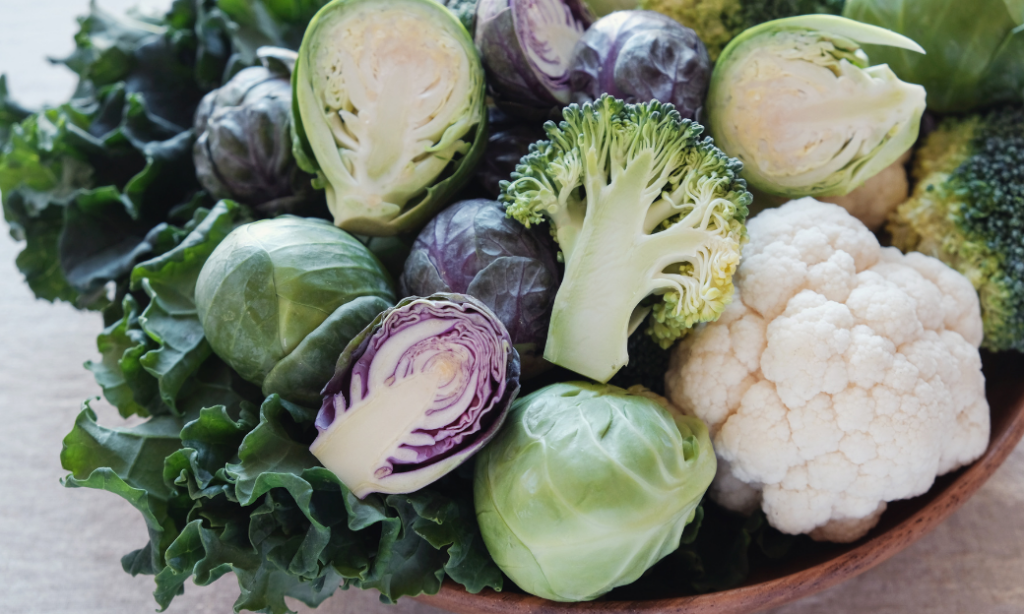
Cruciferous Vegetables
Nutritional benefits include:
Cruciferous veggies are cancer fighting super stars! They contain special compounds called glucosinolates that exert cancer protection at the cellular level.
How to enjoy:
The family of cruciferous vegetables is a tasty one! From an arugula salad to roasted Brussels sprouts to trendy cauliflower rice, the options are endless!
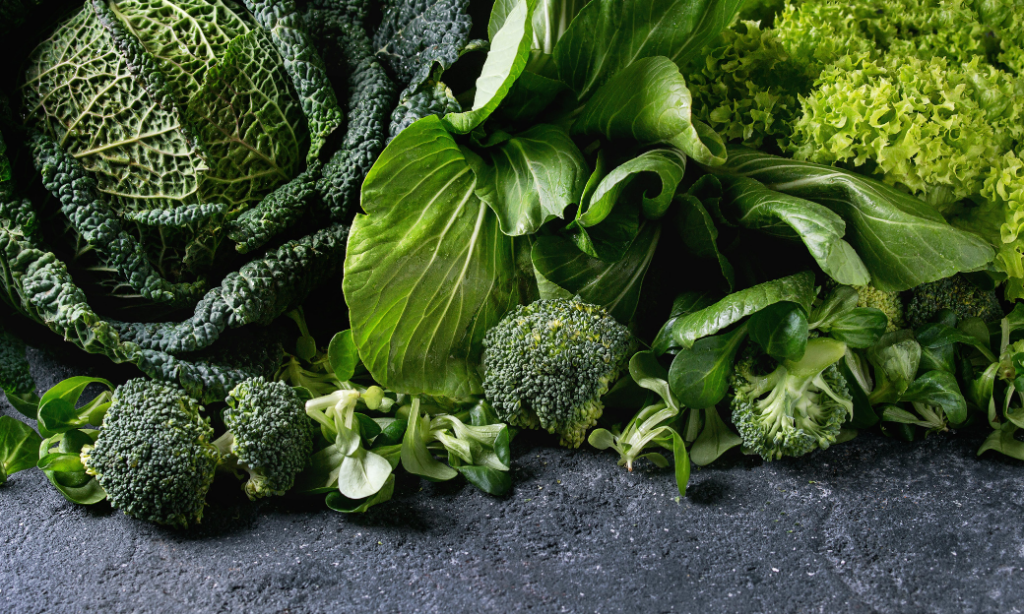
Leafy Greens
Nutritional benefits include:
Dark green leafy vegetables are full of carotenoids. They protect our cells from outside damage. Most leafy greens also have folate, a B vitamin, that repairs cells that get damaged.
How to enjoy:
Keep a bag of baby spinach on hand to toss into omelets, soups, stews, marinara or your favorite smoothie.
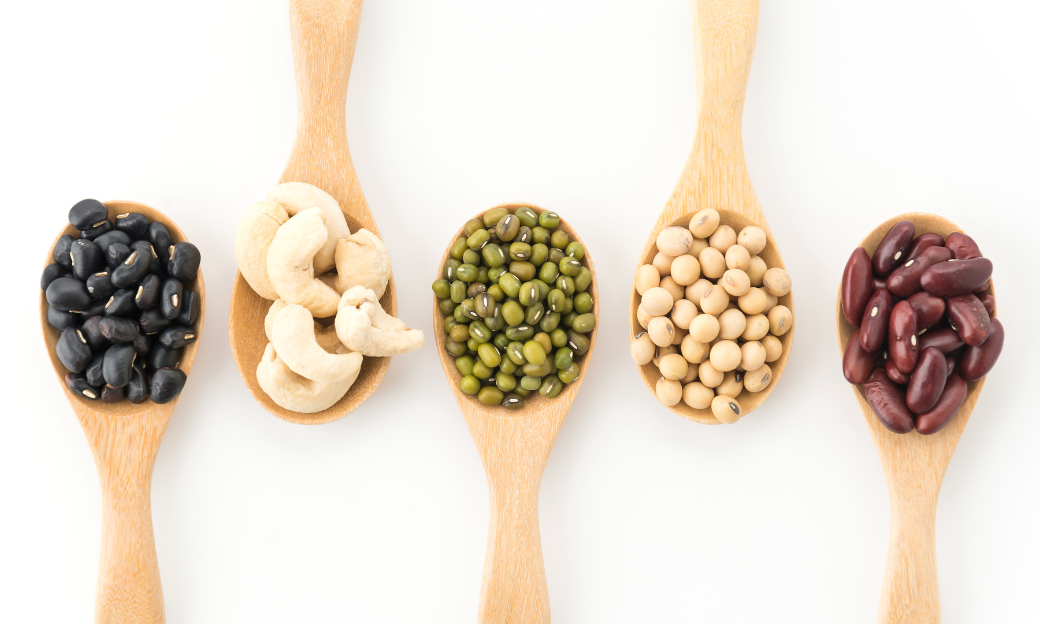
Beans
Beans are some of the most widely available sustainable foods on the market, requiring little water to produce a high yield.
Nutritional benefits include:
Bacteria use the plant to draw nitrogen from the air and store it in the roots of the plant, creating an underground green warehouse. Once the legumes have finished their life cycles, the stored nitrogen is released into the soil, available for other plants to use.
All beans supply a source of plant protein, fiber, healthy fats, as well as folate, iron, potassium, and zinc.
How to enjoy:
Beans are one versatile food! One of the easiest ways to eat more beans is to replace beans in recipes that call for ground meat, such as chili, burgers, or tacos.
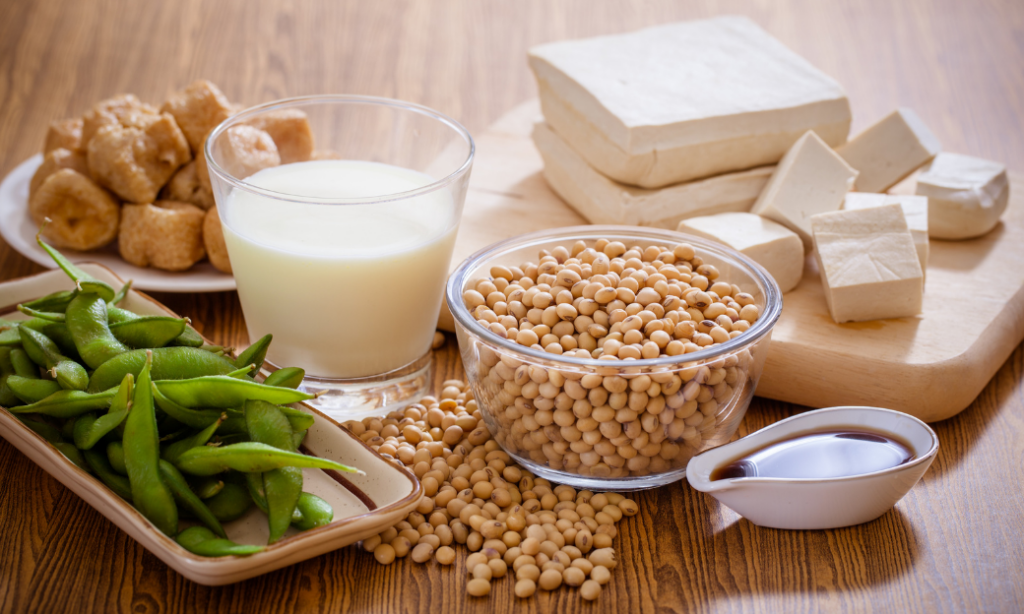
Soy
Soy is technically classified as a legume, and examples are tofu, edamame, tempeh, miso, and natto. Replacing animal proteins with plant proteins, found in whole soy food, is a significant way to benefit the environment.
Nutritional benefits include:
Higher in protein and healthy fats while lower in carbs compared to other beans.
Whole soy foods are a source of fiber, omega 3 fats, calcium, iron, magnesium, and potassium. They also contain isoflavones.
How to enjoy:
Snack on edamame in the pods or as a roasted bean. Crumble tofu and use it as a substitute for scrambled eggs.
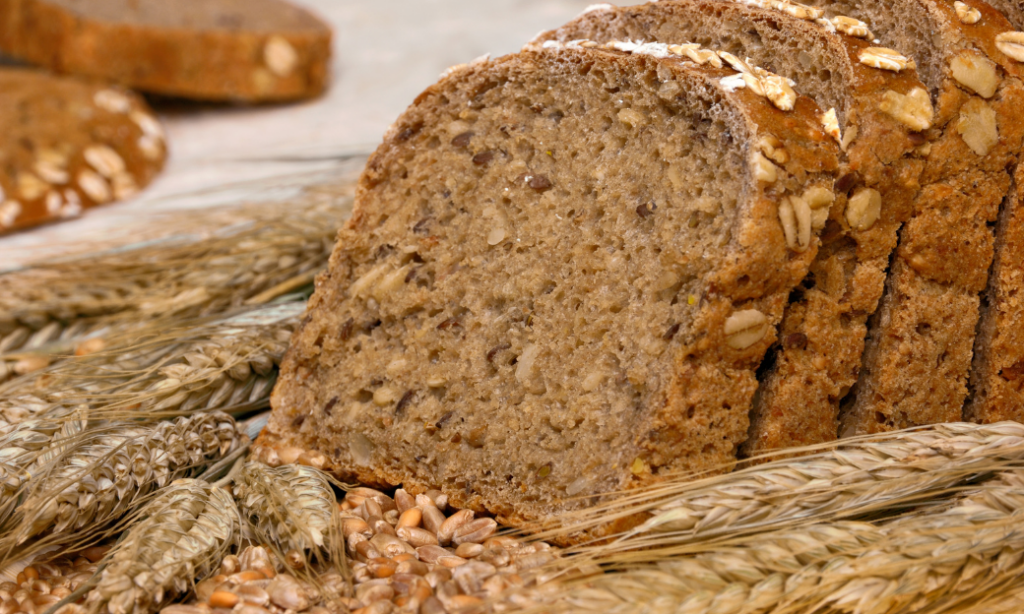
Grains
Grains rank among the lowest in all foods on greenhouse gas emissions. In addition, they require comparatively less water than animal products.
Nutritional benefits include:
The bran of whole grain contains important antioxidants, B vitamins, and fiber. The germ is the “embryo” which contains many B vitamins, some protein, minerals, and healthy fats. The endosperm is a whole grain’s food supply and contains carbohydrates. Whole grains are another versatile food! Enjoy oats as a hot cereal, as a substitute for breadcrumbs, or in your smoothie.
How to enjoy:
Did you know that wild rice is not rice, but is a semi-aquatic grass? It is the perfect side to any dish and can be combined with a variety of ingredients and flavors. Try wild rice with apples or with pepitas and sun-dried tomatoes.
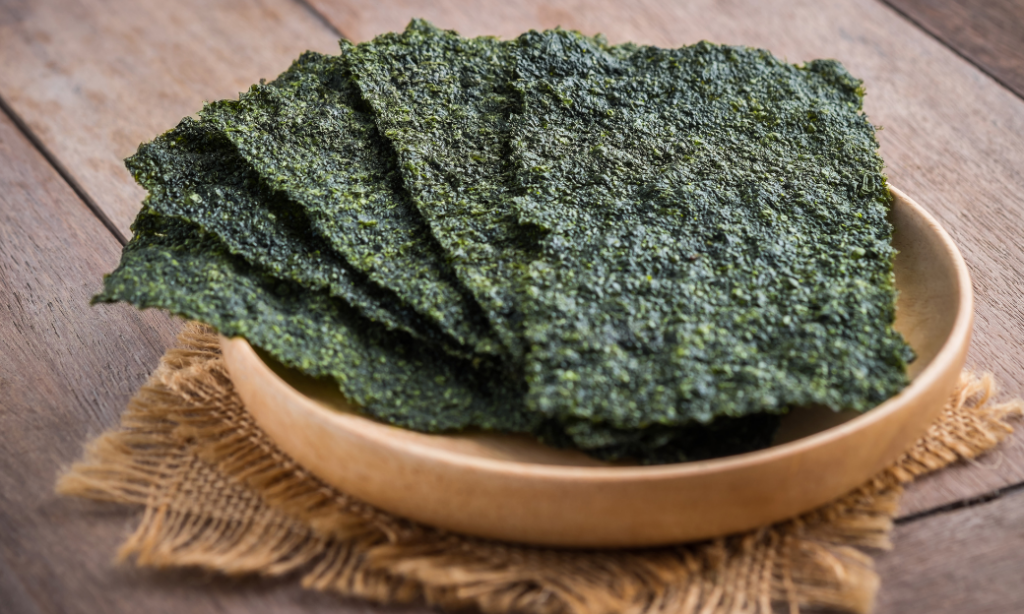
Seaweed
Seaweed gets everything it needs from the water around it, providing generous yields with no need for fertilizers and no pollution. In addition, seaweed filters excess nutrients such as phosphorus and nitrogen from the water, offering a solution to problems posed by agricultural run-offs, fish farms and sewage facilities.
Nutritional benefits include:
All types of seaweed contain a high concentration of fiber and water. It contains glutamic acid, which is an amino acid that converts to glutamate and imparts an umami flavor to recipes. Depending on the type of seaweed and when it’s harvested, it may contain iron and magnesium. Most seaweed contains omega 3 fats, as well as polyphenols and carotenoids.
How to enjoy:
Dried seaweed is the most used and can be softened by soaking in water for a few minutes. Seaweed does not need to be cooked before eating and is delicious when added to salads or soups. You might enjoy the trendy seaweed snacks made from nori
Asparagus
One of the most iconic spring vegetables, asparagus (Asparagus officinalis) is grown around the world and has been celebrated for millennia. Ancient Egyptians are said to have enjoyed it as many as 20,000 years ago. Asparagus comes in four varieties: green, white, purple and wild.
Nutritional benefits include:
Contains: Inulin is a type of dietary fiber called a fructan that functions as a prebiotic, which means that it nourishes health-promoting bacteria in the body.
How to enjoy:
Did you know you can enjoy asparagus raw? Try enjoying raw asparagus salad by using a vegetable peeler and creating long “ribbons” of asparagus. Toss with your favorite vinaigrette.
Strawberry
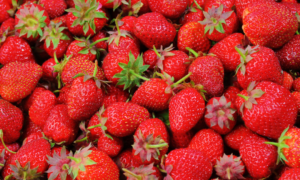
Until hybridization with larger, juicier varieties, earlier cultivated strawberries were tiny, much like wild strawberries. Unlike any other fruit, strawberry seeds are on the outside (rather than the inside) of the fruit, technically making the strawberry not a berry at all.
Nutritional benefits include:
Contains
Anthocyanins influence cell signaling in ways that increase antioxidant, anti-inflammatory and carcinogen-deactivating enzymes.
How to enjoy:
Strawberries really shine when eaten raw, either completely unadorned, or sliced and tossed with a bit of sugar, orange juice, red wine or balsamic vinegar.
Peas
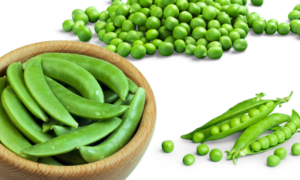
Snow peas, sugar peas/sugar snap peas Peas have been a staple food since at least 3000 BCE. The French term for sugar snaps is mangetout which translates to “eat it all”.
Nutritional benefits include:
Contains
Rich in fiber and contains Vitamin C & Vitamin A for antioxidant activity. Folate, one of the B vitamins best known to help form red blood cells and is responsible for helping cells grow and divide properly.
How to enjoy:
Eaten raw or just quickly blanched, both snow peas and sugar snap peas are delicious on their own: their sweet, green pea-taste and super crisp texture are mighty fine on their own. Of course, they also taste great when tossed into a stir-fry, added to a salad or pickled in brine!
Ramps
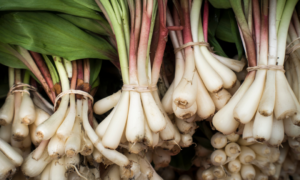
Ramps are a welcome sign of spring and in the allium family alongside spring onions and leeks. Sometimes referred to as wild garlic, which is a completely different plant.
Nutritional benefits include:
High in Vitamins A and C, which act like antioxidants to repair our damaged cells.
How to enjoy:
Ramps are a seasonal substitute for any recipe that calls for spring onions, scallions, or garlic. Ramps have a peppery, garlicky bite that adds fresh flavors to many dishes. They can be sauteed, chopped up and added to grains, salads or eggs, or served in a springtime risotto.
Probiotics
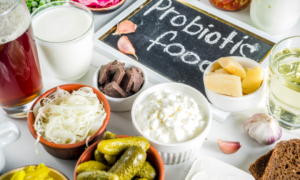
Probiotics are live microorganisms that if consumed in adequate amounts have health benefits.
Gut Helper:
Boost the immune response
Increase numbers of beneficial bacteria that prevent growth of harmful ones
May help with digestion of lactose and reduce symptoms of intolerance
Prebiotics
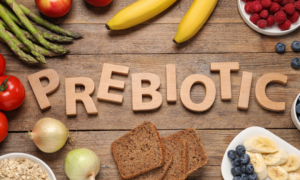
Prebiotics are specific fibers that are fermented by bacteria in the gut which selectively increase beneficial bacteria.
Gut Helper:
Aids in weight loss
Enhances signaling of bowel movement frequency
Heightens feelings of hunger and satiety
Increases water content and bulk of stools for softer, more frequent stools
Fiber
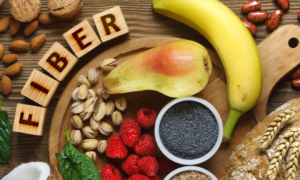
Fiber is an essential component of a healthy diet. Found in plant-based foods such as fruits, vegetables, whole grains, nuts, and seeds, fiber plays a crucial role in digestion and overall well-being.
Gut Helper:
These byproducts reinforce the gut lining that protect against harmful microorganisms
Promotes regular bowel movements
Slows blood glucose (sugar) and fat absorption
It’s fermented by good bacteria that produce by-products called short-chain fatty acids
Polyphenols
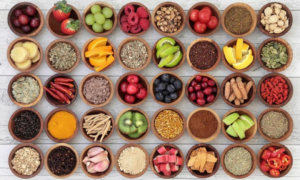
Polyphenols are naturally occurring compounds found in plants. They are not readily digested in the stomach and go to the colon to be metabolized by microorganisms.
Gut Helper:
Some polyphenols are antimicrobial
Antioxidant properties, which lessen risk for chronic disease
Reduces inflammation and possibly obesity
May improve neurocognitive function and mooda
Fruits: Apples, blueberries, cherries, grapes, pears and strawberries
Vegetables: Broccoli, cauliflower, cabbage, tomatoes and Brussels sprouts
Spices: Turmeric, ginger and red pepper flakes
Beverages: Green tea, coffee and red wine
Other: Dark chocolate, soy products and peanuts
Pumpkin Seeds
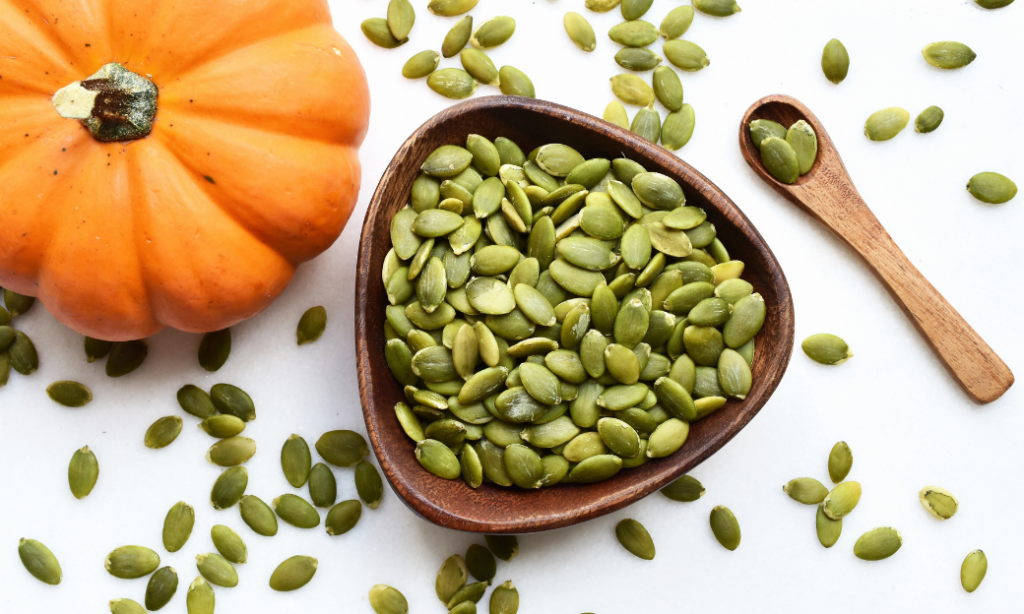
Also known as pepitas, pumpkin seeds come from a variety of squash. They are native to the Americas and were used in traditional medicine to reduce inflammation.
Nutritional benefits include:
Protein: One of the top plant sources of protein, with 5 grams in just 1 ounce. High in magnesium, meeting 40% of our Daily Value in 1 ounce. Magnesium is responsible for over 300 enzyme biochemical reactions in our body.
How to enjoy:
Try them raw, and toast them to add a delicious and nutritious crunch to hot cereal, salads, or your favorite grain dish.
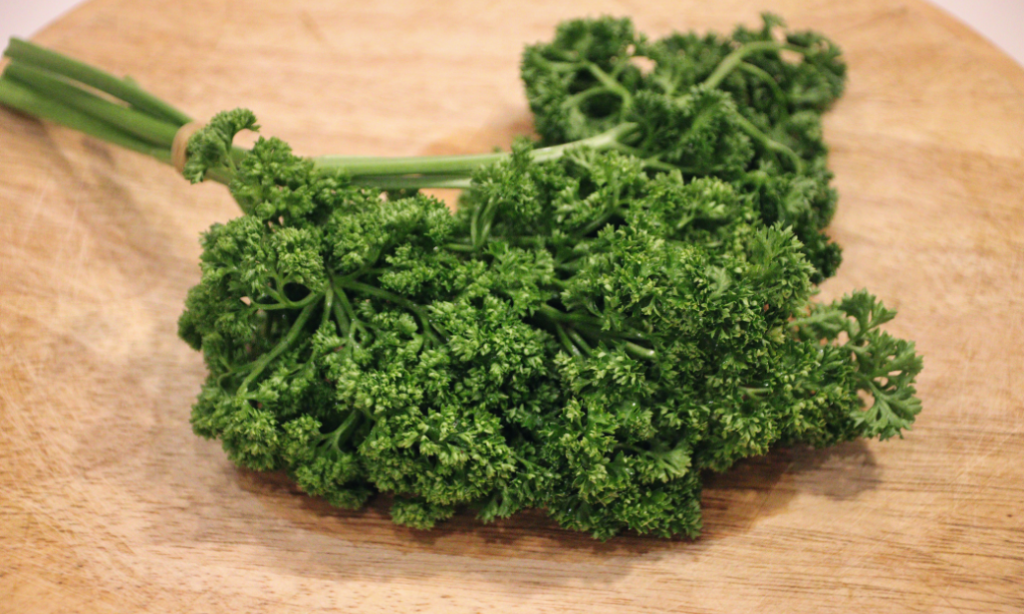
Parsley
Probably the best-known herb in our country, but not as a culinary companion. You’ve seen parley as a garnish; however, it packs a flavorful punch to almost any creation.
Nutritional benefits include:
Vitamin C: The strongest anti-oxidant we can possibly eat.
Flavonoids: Show promise as anti-inflammatory agents.
How to enjoy:
Go Mediterranean! Enjoy a traditional tabbouli salad, which is technically more parsley than the other ingredients included in the recipe. Spruce up your veggies, pasta, rice, or egg dishes with an edible parsley garnish.
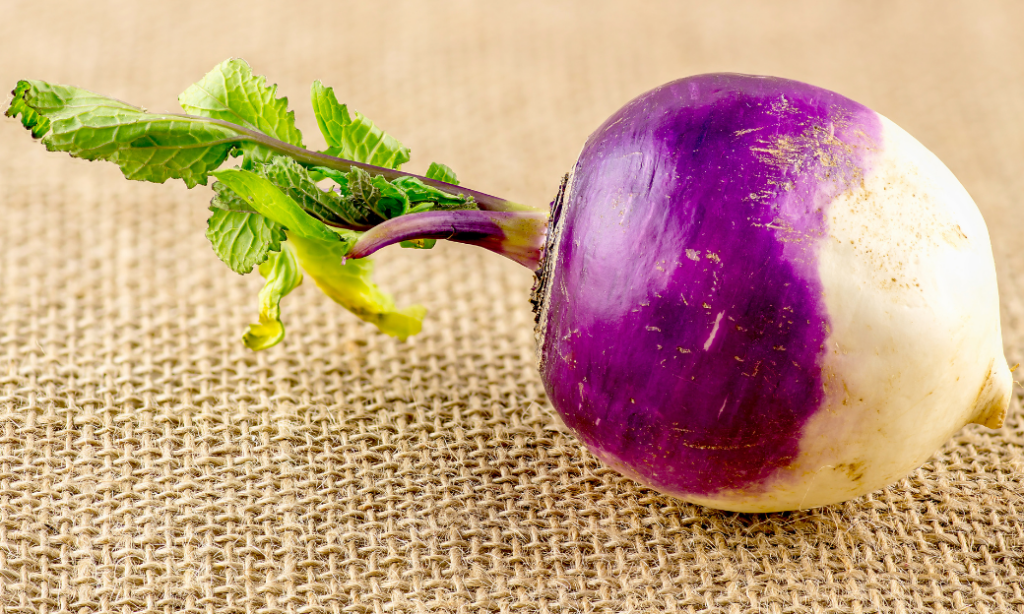
Turnips
Did you know that turnips belong to the highly nutritious cruciferous vegetable family?
Nutritional benefits include:
Glucosinolates & Indoles: Compounds that destroy cancer-causing agents.
How to enjoy:
Simply roast them for a delicious side or mash them with other root vegetables for a boost of nutrition.
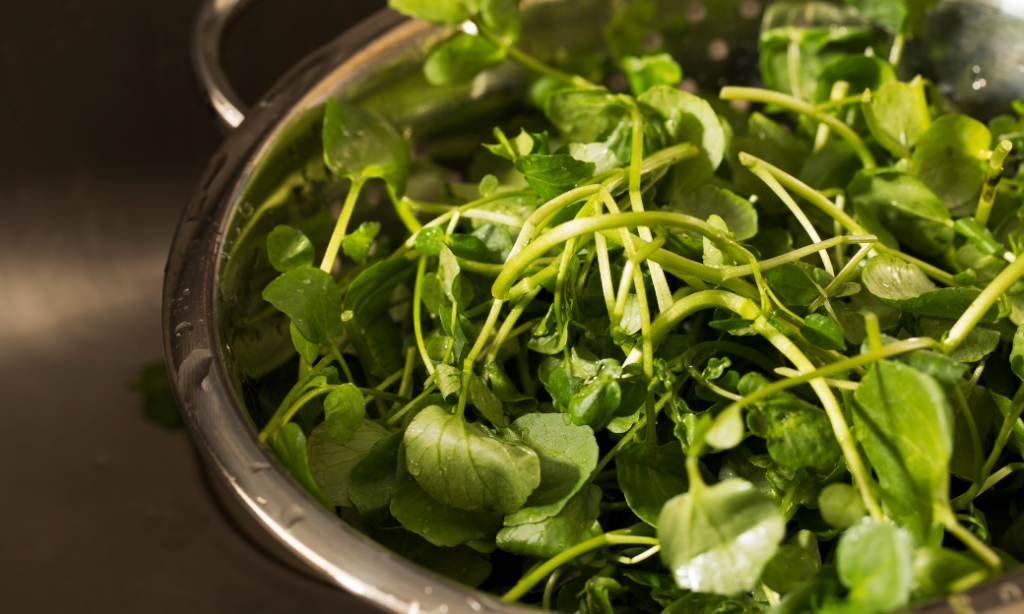
Watercress
Is a member of the mustard family and enjoyed since the ancient Romans used it to prevent baldness.
Nutritional benefits include:
Flavonoids: Act to suppress inflammation.
Carotenoids: Support the optimal function of our immune system.
How to enjoy:
It is a delicate green that wilts quickly. Toss into your green salads, or add a peppery kick to your sandwiches.
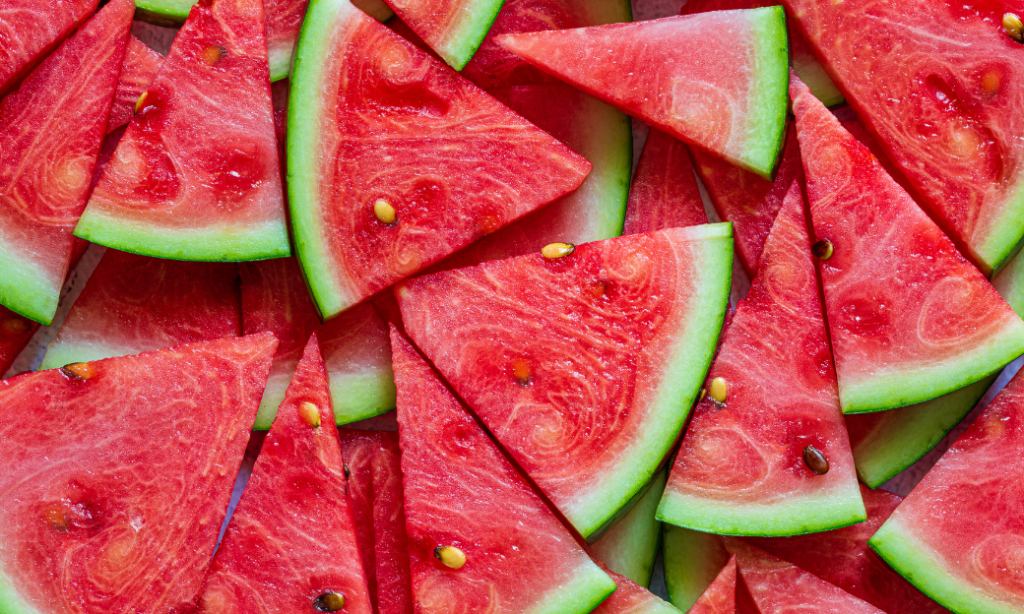
Watermelon
Aptly named because it is 92% water, and a great thirst quencher. A ripe watermelon should be firm and heavy. Traditional wisdom says that tapping a watermelon is the best way to determine its quality, and a good watermelon should give a dull thud when tapped.
Nutritional benefits include:
Lycopene: An antioxidant that may reduce inflammation and oxidative stress, which can lower the risk of cancer. Lycopene may also lower blood levels of insulin-like growth factor (IGF), a hormone that promotes cell division, which can lead to cancer.
Vitamin E: An antioxidant that reduces inflammation and repairs damaged cells.
How to enjoy:
The quintessential summer treat, enjoy as it is! Try enjoying watermelon slices with a spritz of lime juice.
To use the entire watermelon, consider pickling the rind.
Enjoy protein seeds for a high protein snack.
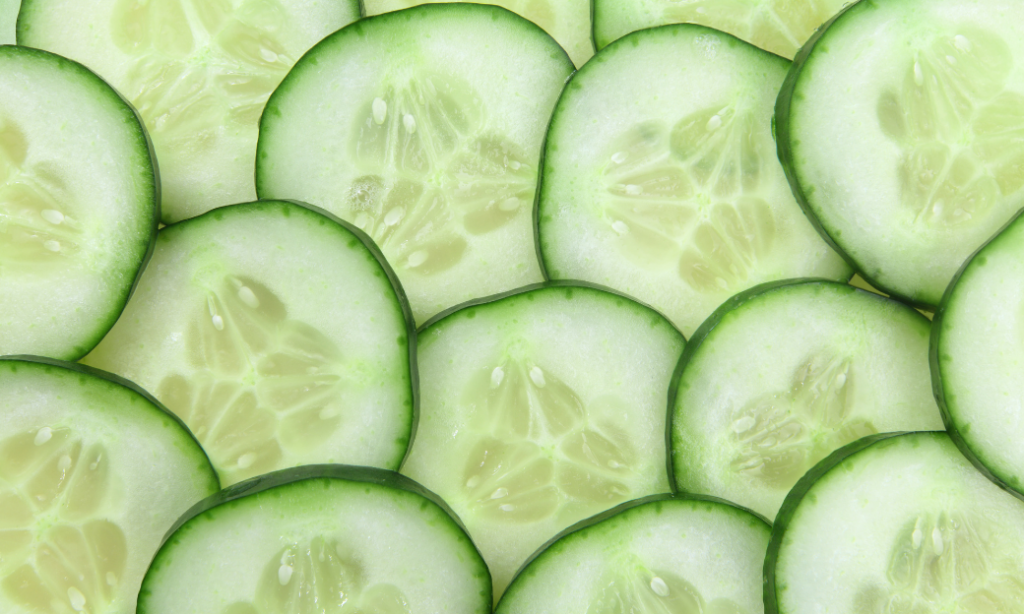
Cucumber
Thirst quenching cucumbers is 96% water by weight. A native of India, the cucumber (Cucumis sativus) is among the oldest domesticated plants, referenced in literature and art from antiquity. Farmer’s markets provide Asian and Middle Eastern cucumbers, as well as a slew of heirloom varieties.
Nutritional benefits include:
Lignans: Possess anti-inflammatory properties and are linked with reducing the risk for hormone-related cancers.
How to enjoy:
Enjoy them blended in an aqua fresca for a refreshing summer drink.
Slice them to add to your favorite tomato and onion summer salad.
Include them in a gazpacho for a summer staple food.
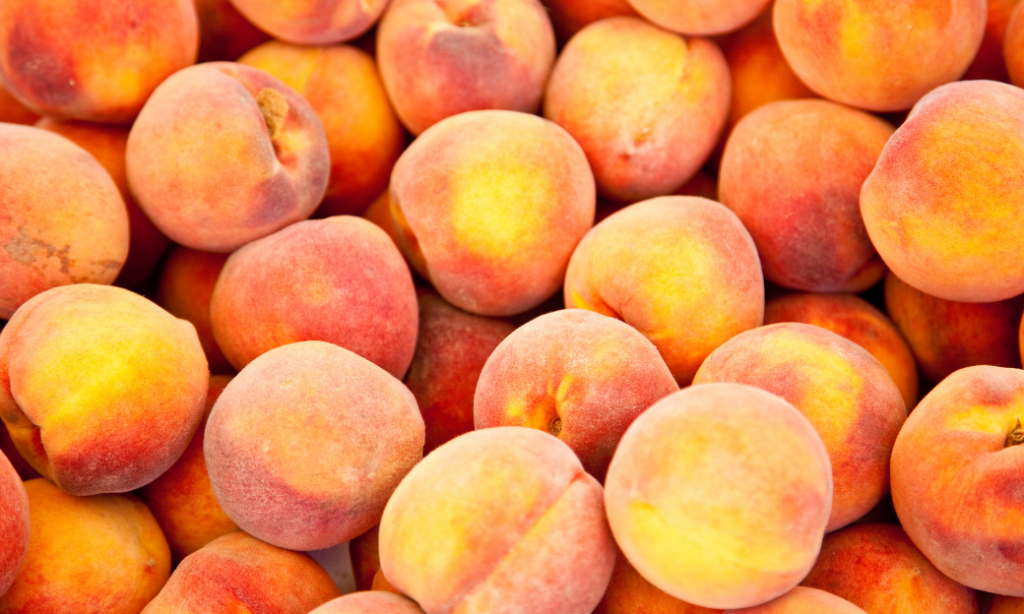
Peach
There are over 300 varieties, but three categories of peaches, including freestone, clingstone, and semi free stone. Peach fuzz protects the fruit from extra water and may help keep bugs away!
Nutritional benefits include:
Chances are that if you are eating a peach outside of its growing season (May through August), that peach traveled thousands of miles to reach you.
Packed with both Vitamins A & C, which are crucial for immune function.
Polyphenols in peaches have shown to exhibit antioxidant and anti-inflammatory compounds.
How to enjoy:
Peaches are delicious on their own, but also great in a summer salad with arugula.
Try peaches in recipes that use tomatoes, for example with basil and mozzarella for a simple appetizer, or in a gazpacho.
Peaches are great on the grill!
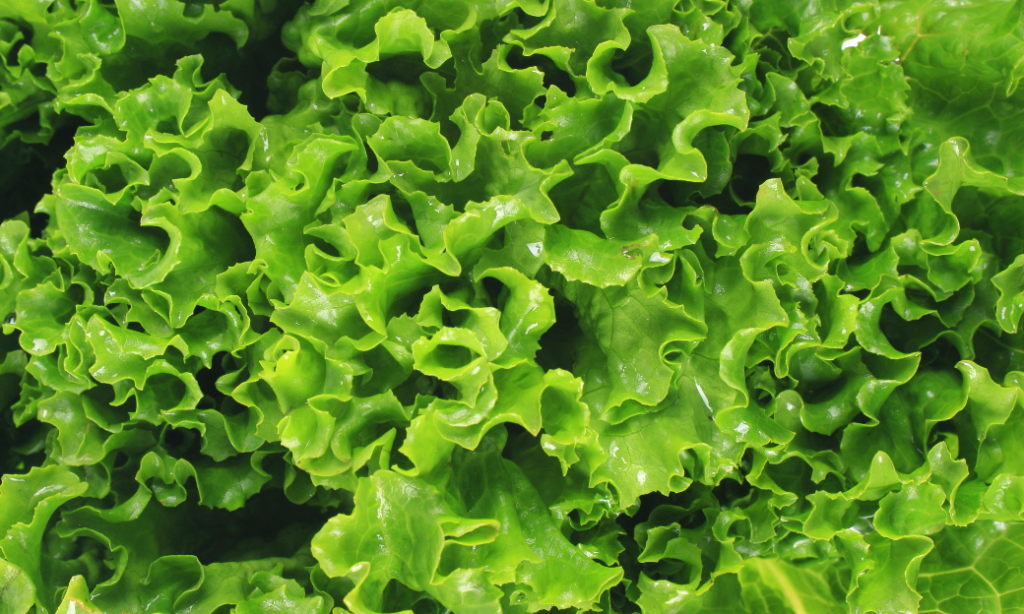
Lettuce
There are many different varieties and colors of lettuce, from loose-leaf to Romaine to Crisphead. The ancient Greeks wrote extensively about lettuce in both medical and culinary texts.
Nutritional benefits include:
Lettuce gives us fiber, which is important to support gut health.
Nutritional value varies depending on the type of lettuce, but most supply vitamins A, C, and the minerals calcium, potassium, iron, and folate.
How to enjoy:
Store in the fridge for up to a week, but loose-leaf and Butterhead varieties should be consumed within a couple days of purchasing.
Try grilled Romaine for another plant-based choice this season.
Fresh, young lettuce is delicious with a simple vinaigrette with olive oil, lemon juice, and a pinch of salt.
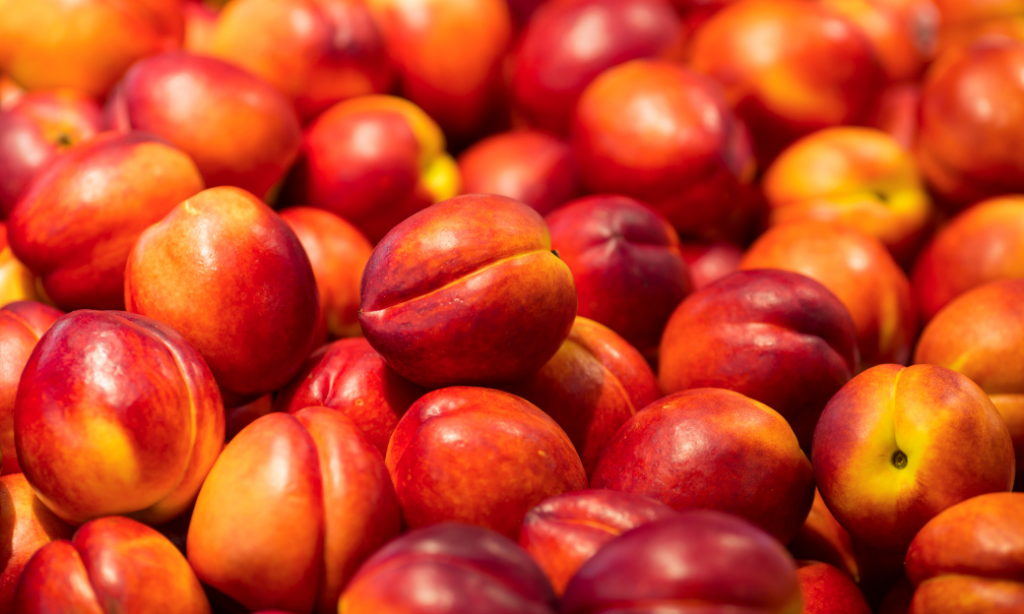
Nectarines
Nectarines are identical to peaches except for one gene and this gene difference makes nectarine skin smooth and peach skin fuzzy. Nectarines get their name from ‘nectar’, which was the sweet fruit that the gods ate.
Nutritional benefits include:
Vitamin C – This vitamin is essential as an antioxidant. It travels throughout our body and takes away the free radicals that could otherwise damage our cells.
Fiber – Eating more fiber is linked with improved blood sugar control, lowering cholesterol levels, and gut health.
How to enjoy:
The perfectly sweet summertime treat! Enjoy as a snack or slice into your favorite green salad.
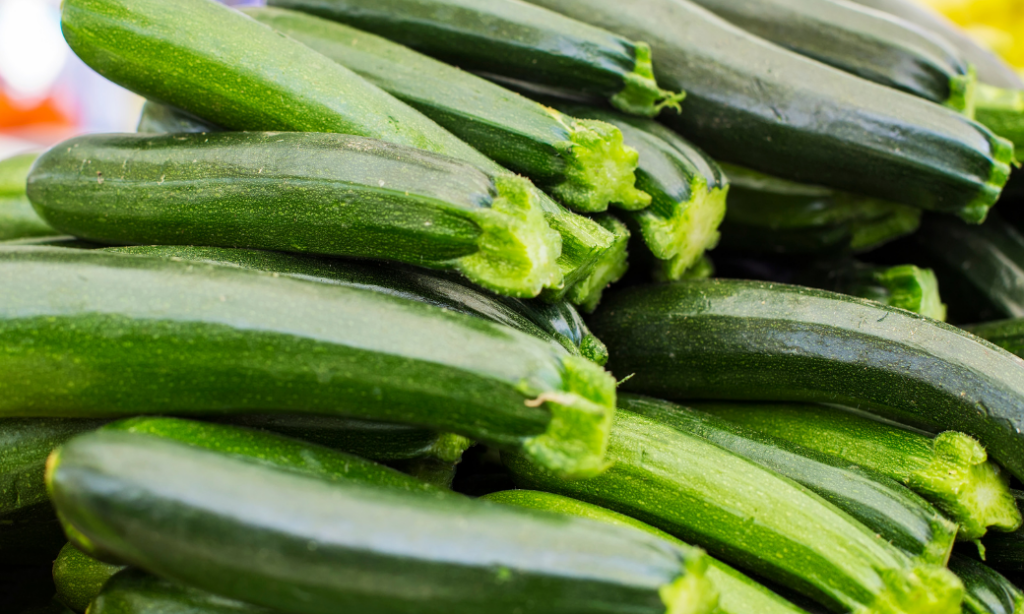
Zucchini
The word squash originally comes from the Narragansett nation, who called it askuta squash, meaning raw or uncooked — many summer squash are still enjoyed raw in salads.
Nutritional benefits include:
Contain Fiber and Vitamin C and are high in water content to help hydrate us.
How to enjoy:
While summer squash grown in warmer regions of the world is available year-round in supermarkets, it is best enjoyed in season for peak flavor and texture.
Super versatile in many dishes, from being a low carb substitute to being grated to add to recipes.
Try zucchini noodles or baked “fries” to swap in fiber and nutrients.
Make a zucchini “boat” and stuff with your favorite ingredients like beans or ground turkey and top with tomatoes and onions.
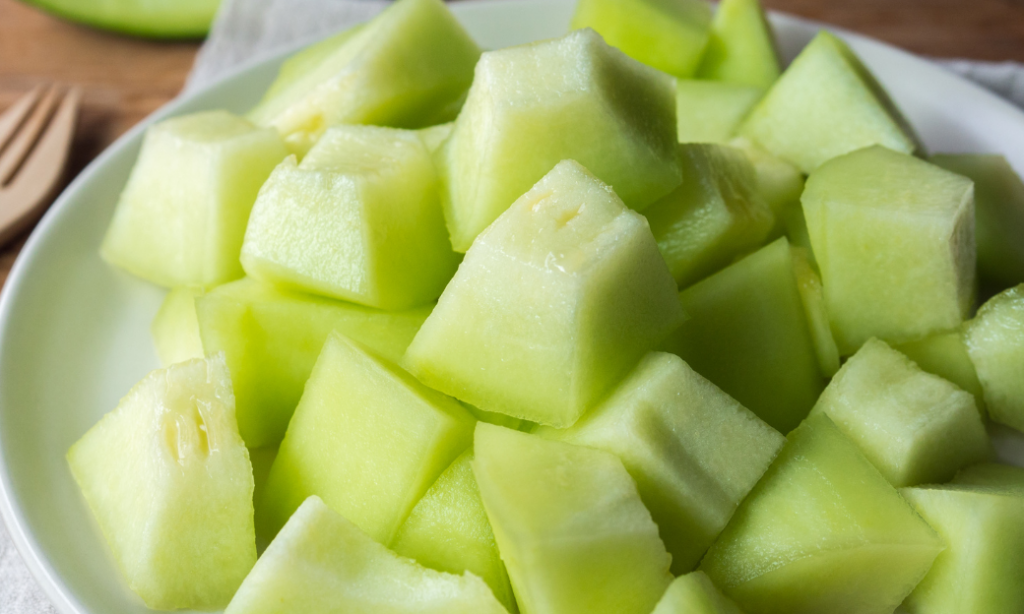
Honeydew Melon
Honeydew with white skin tastes sweeter than the yellow-skin variety. Honeydew requires warm and sunny weather to grow, so the peak harvest time is August through October.
Nutritional benefits include:
Supply a hefty dose of vitamins A and C as well as potassium.
Vitamins A and C are both crucial for immune system function.
Potassium is a mineral that many Americans do not eat enough of. It is responsible for regulating our cardiac and nervous systems.
How to enjoy:
Honeydew when it is in season is sweet enough for dessert! Try a refreshing take on honeydew with a squeeze of fresh lime juice.
Honeydew also tastes delicious when grilled for a plant-based addition to your diet.
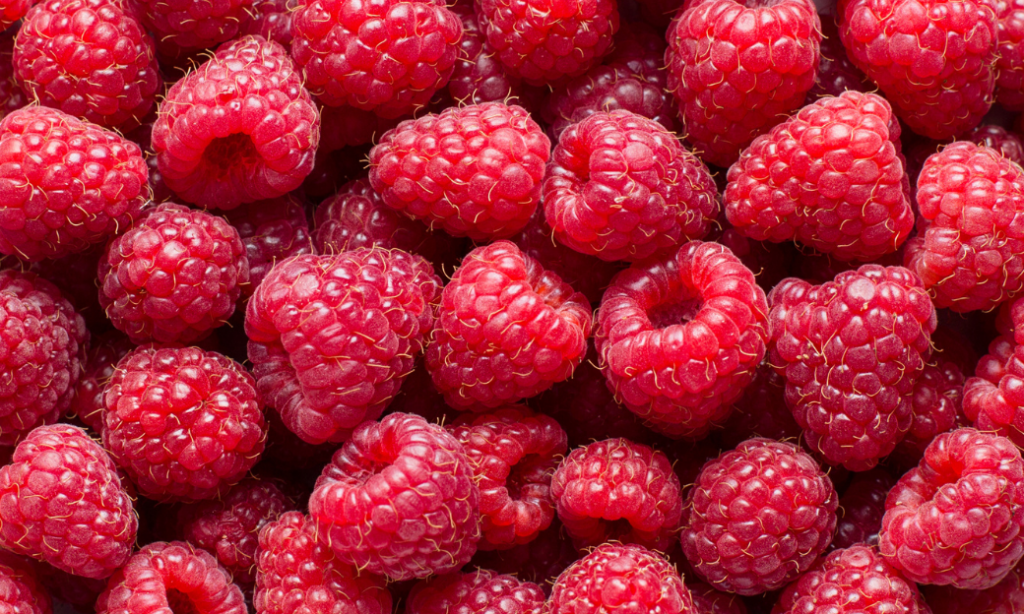
Raspberries
Did you know that raspberries are in the rose family and come in four colors: gold, black, purple, and red?
Nutritional benefits include:
A serving of raspberries supplies a whopping 8 grams of fiber.
Contain ellagitannins, a polyphenol that has anti-cancer properties.
How to enjoy:
Raspberries are sweet enough for dessert, and delicious when added to hot cereal, yogurt, or your smoothie.
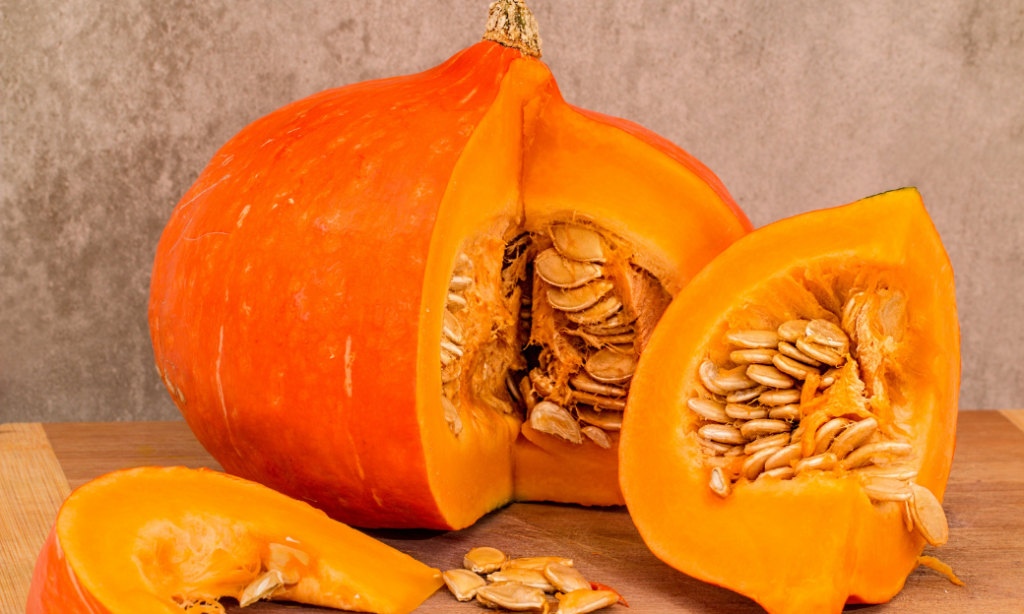
Pumpkin
Pantry staples are important in meal planning/prepping. Dickinson pumpkins, also known as Dickinson squash, are used to make most of the canned pumpkin we eat today.
Nutritional benefits include:
Packed with carotenoids, including the popular beta carotene. They are found in orange, dark green, yellow, and red fruits and veggies. They are associated with protection against many cancer types, partly due to the way they inhibit the formation of carcinogens in our bodies.
How to enjoy:
Canned pumpkin, and not the sweet pumpkin pie filling, is easy to add to hot cereal, a smoothie, or your favorite soup or stew. It’s a reliable and versatile pantry staple!
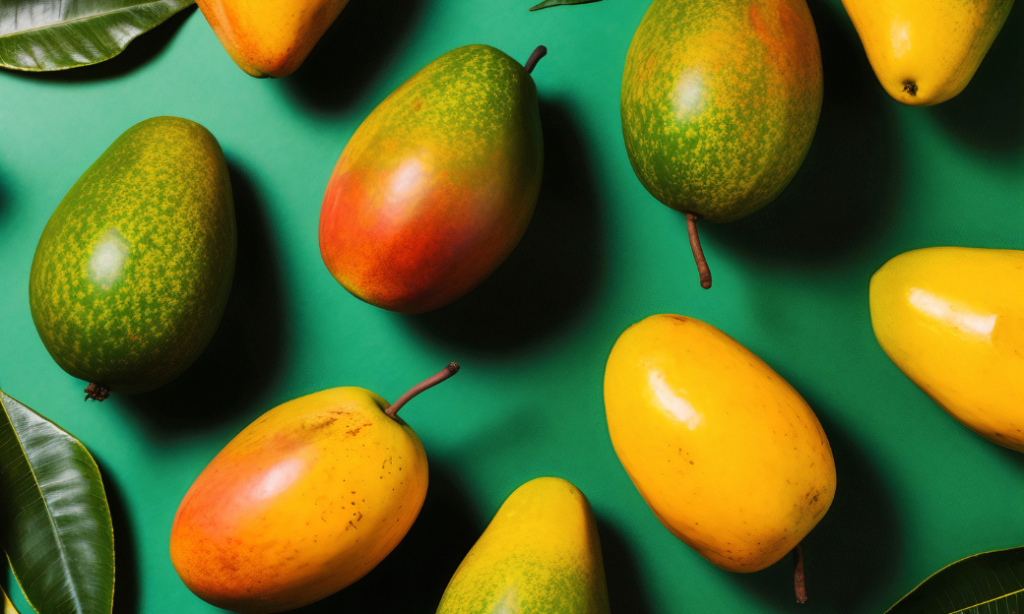
Mango
We know that we can take advantage of the convenience and nutrition in frozen fruits and veggies. They are another staple in meal prepping.
Nutritional benefits include:
Like pumpkin and winter squash, mango is full of carotenoids. Also, mango boosts our fiber intake. Fiber is a vital component of a cancer protective diet. Including more fiber in your diet helps to regulate blood sugars, lower cholesterol, support gut health, and control our appetite.
How to enjoy:
Use frozen mango in your favorite smoothies, or smoothie bowls. Also try frozen mango stirred into your yogurt, cottage cheese, or hot cereal.
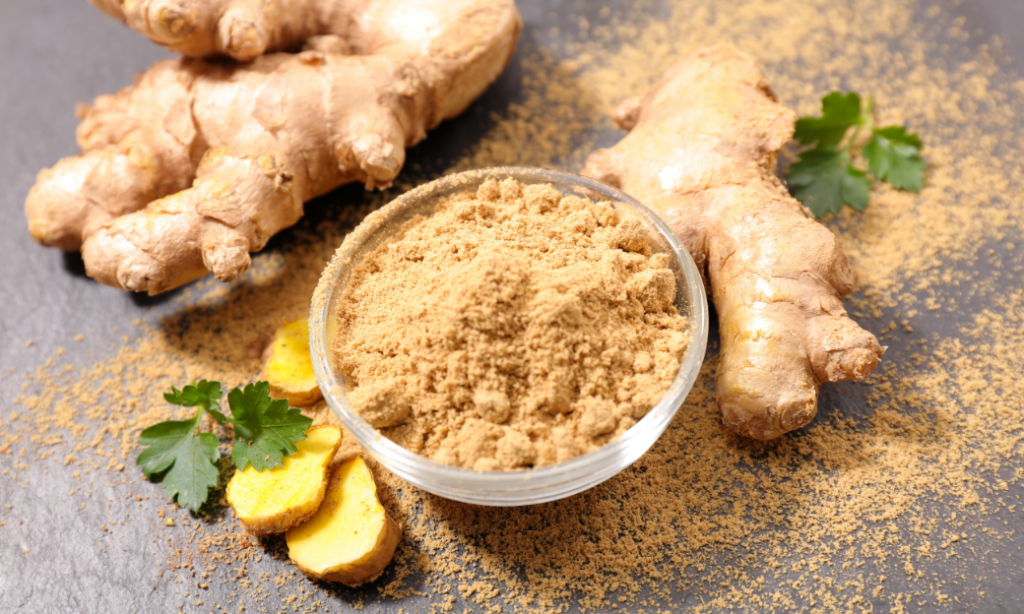
Ginger
The only spice to appear in our cancer-fighting food list, and for good reason. Ginger adds a fragrant zest to both sweet and savory foods. The spicy “kick” from the root of Zingiber officinale, the ginger plant, is what makes ginger ale, ginger tea, candies and many Asian dishes so appealing.
Nutritional benefits include:
Gingerol is the compound in ginger that promotes digestion, which is also an aid in treating nausea. Ginger has over 400 naturally occurring compounds, and many are thought to be anti-inflammatory.
How to enjoy:
Ginger is a great fall warming spice. Try to make your own ginger tea by washing, peeling, and thinly slicing in crosswise sections. In your mug, place as many slices as desired, pour boiling water, and cover for 10 minutes.
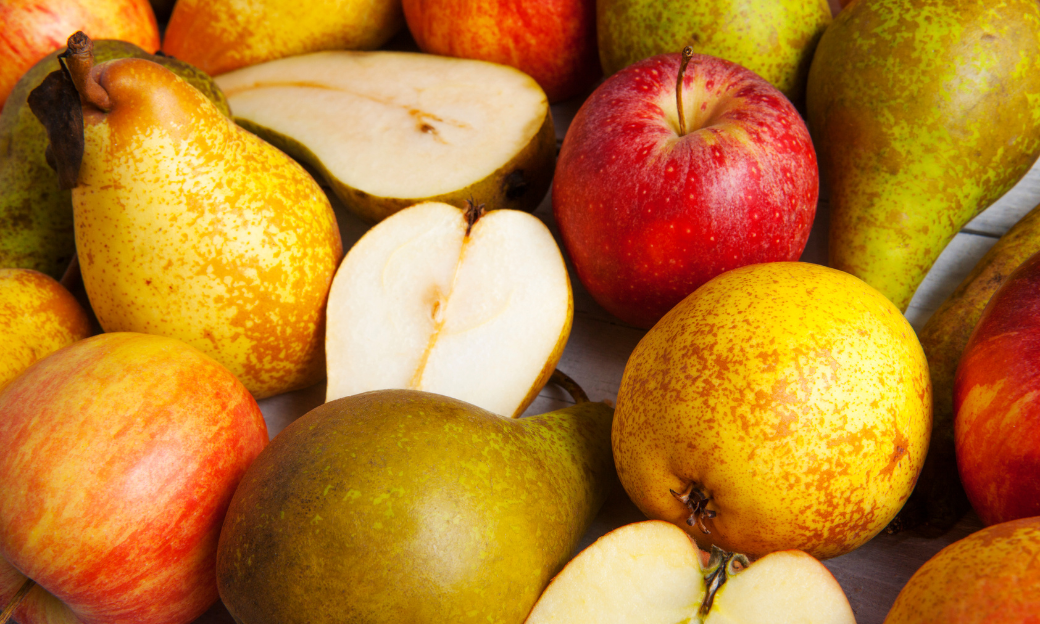
Pears
Like the apple, the pear is a member of the rose family. There are over 3000 varieties of pears throughout the world.
Nutritional benefits include:
Pears provide a whopping 6 grams of fiber, higher than many other fruits. Fiber acts like a sponge as it travels through our digestive system to remove waste and other compounds that don’t belong.
How to enjoy:
Try roasting pears alongside fall vegetables like Brussels sprouts and delicata squash. The combination of sweet and savory is a flavor explosion!
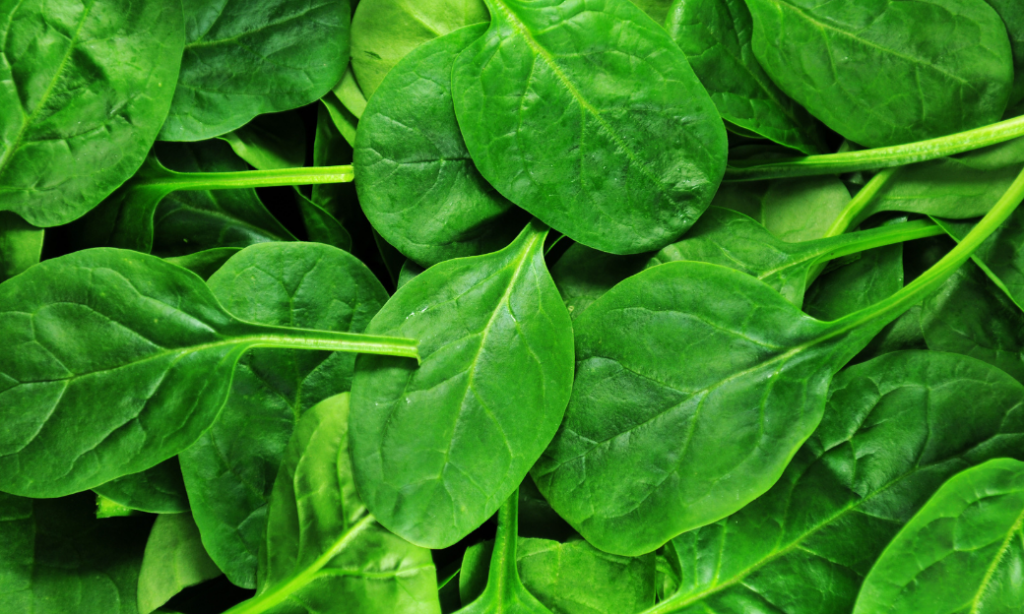
Spinach
In the 12th century, agronomist Ibn al-Awam referred to spinach as the “prince of leafy greens” in his work.
Nutritional benefits include:
Carotenoids Function to modulate inflammation in our body and rev up the enzymes that support the detoxification of carcinogens.
How to enjoy:
A bag of baby spinach goes a long way when added to some of your typical meals, like eggs, soups, and pasta sauce.
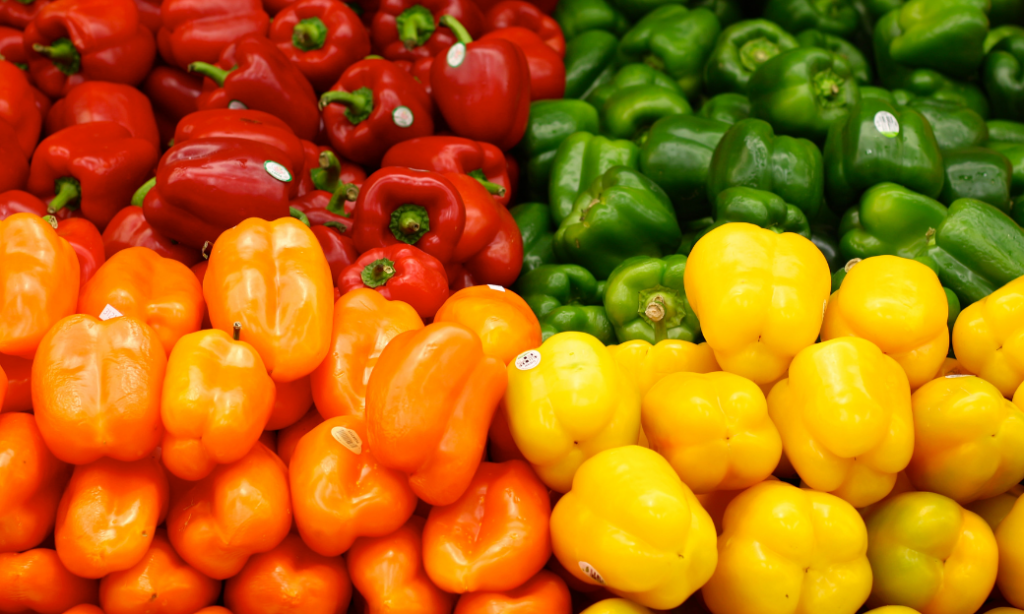
Bell Peppers
Did you know that red, orange, and yellow bell peppers are the ripened version of green bell peppers? Green peppers are commercially popular because they are easier to transport and store, because they are unripe.
Nutritional benefits include:
Excellent source of vitamins A and C. Good sources of Folate, Vitamins B6, Vitamin E and fiber.
Functions like an antioxidant to protect our cells from damage that could otherwise lead to cardiovascular disease or cancer.
How to enjoy:
Enjoy a simple yet tasty plant-based version of stuffed peppers. You could add either beans and salsa and top with guacamole or add lentils and mushrooms and top with marinara.
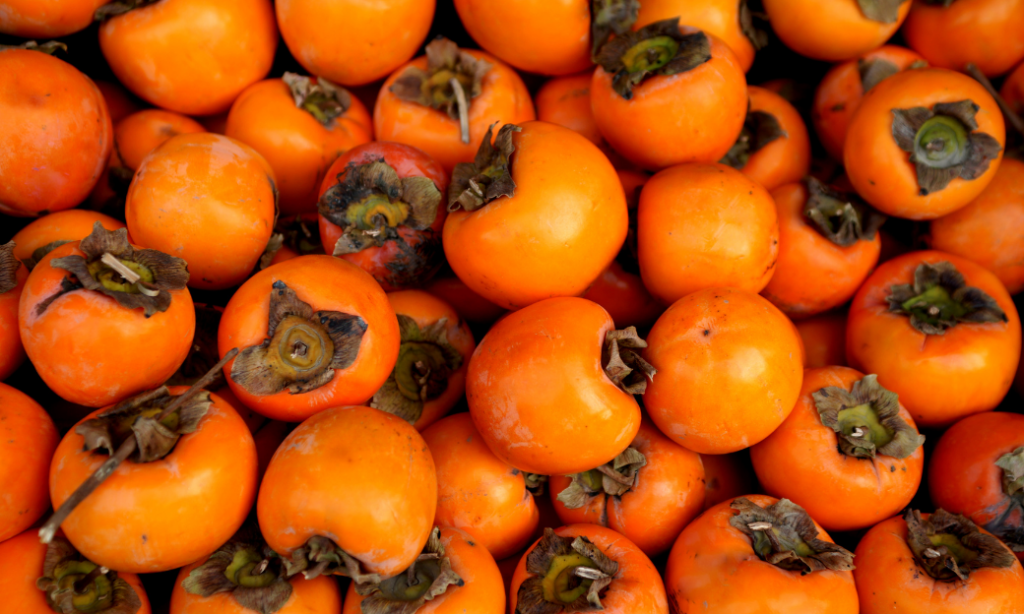
Persimmon
The two varieties most commonly found are the tomato shaped Fuyu and the acorn shaped Hachiya. To tell the difference between astringent and non-astringent Japanese persimmons, remember that red Hachiyas are acorn-shaped and inedible unless ripened and orange Fuyus are tomato-shaped and ripe when you purchase them.
Nutritional benefits include:
Excellent source of both vitamins A and C Perhaps more than a coincidence, vitamins A and C are both essential vitamins that support the optimal function of our immune system.
How to enjoy:
To ripen your Hachiya, store the leaf side down on your kitchen counter. This process can take days and should not be rushed lest you get a mouthful of tannins. Fuyus, however, need to maintain a crisp consistency and are better stored in the refrigerator.
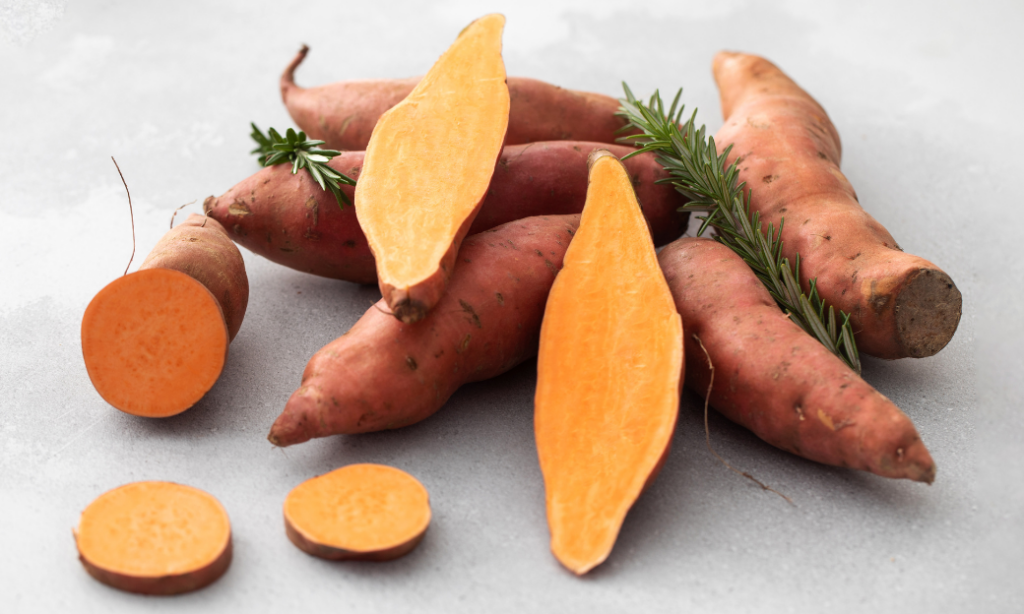
Sweet Potatoes
Perhaps a quintessential Thanksgiving tuber but deserving of our attention year-round.
Nutritional benefits include:
Powerhouse of nutrition: from the carotenoids to potassium to fiber.
Potassium is a mineral that many Americans do not consume enough of. It is important for regulating blood pressure. Did you know that sweet potatoes have about 100 more milligrams of potassium than a banana?
How to enjoy:
Bake, roast, or mash. These nutrient-dense tubers are a naturally sweet vehicle to add more plant foods to our plates. The options of herbs, spices, beans, lentils, nuts and seeds that partner with sweet potatoes are endless.
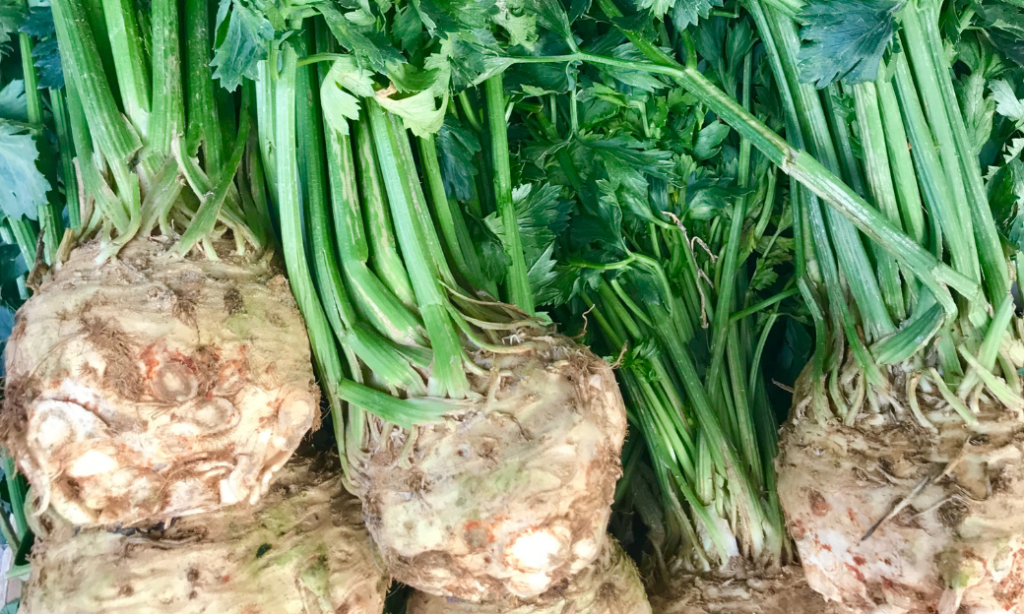
Celeriac
Also known as celery root or knob celery, it is entirely edible! It is an underappreciated root vegetable that makes its appearance in late fall.
Nutritional benefits include:
Fiber Less than 10% of Americans eat the recommended amount of fiber. This non-nutrient occurs in many forms in plant foods and performs many different functions. The type of fiber in celeriac functions like a prebiotic, which means that it provides fuel for the beneficial microbes that live in our gut.
How to enjoy:
Enjoy this root vegetable both cooked and raw. Add peeled and chopped raw celeriac to a cold salad, or a hearty soup or stew. Celeriac is also delicious roasted alongside other fall and winter root veggies. Check out the newsletter for the mashed version to try!
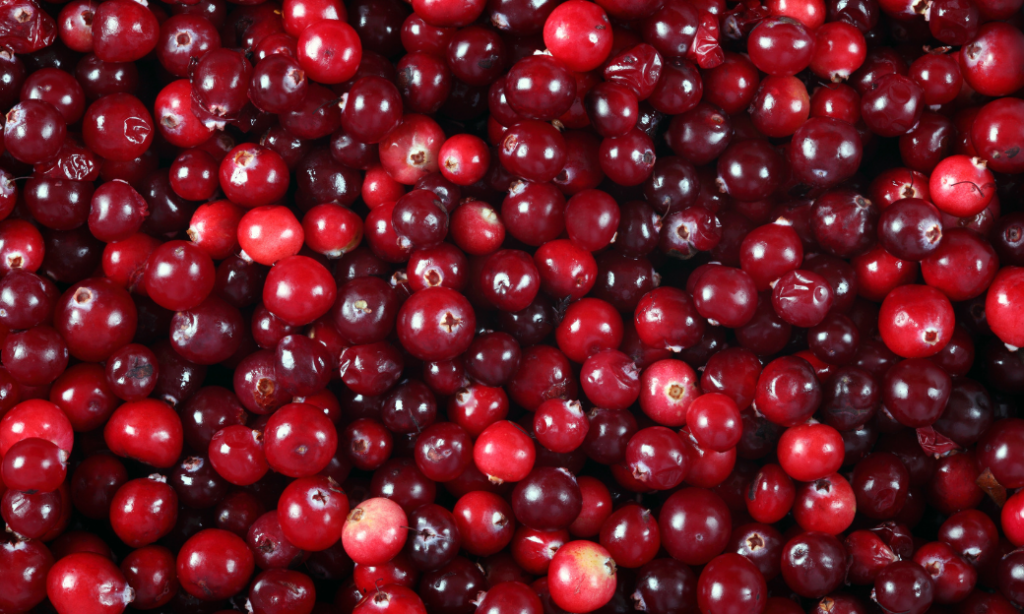
Cranberries
Another quintessential Thanksgiving food, but these powerhouses might be worthy of inclusion during other times of the year.
Nutritional benefits include:
Phenolic compounds These cancer fighters help promote apoptosis, which triggers cancer cells to self-destruct. In addition, they are anti-proliferative, a powerful mechanism in cancer protection.
How to enjoy:
Fresh cranberries are naturally bitter, so adding citrus like fresh orange juice/zest, or vinegar will help counter taste without all the extra sugars. Or try them to replace lemon in recipes; for example, if you roast some veggies, add some fresh cranberries for a sour pop of flavor.
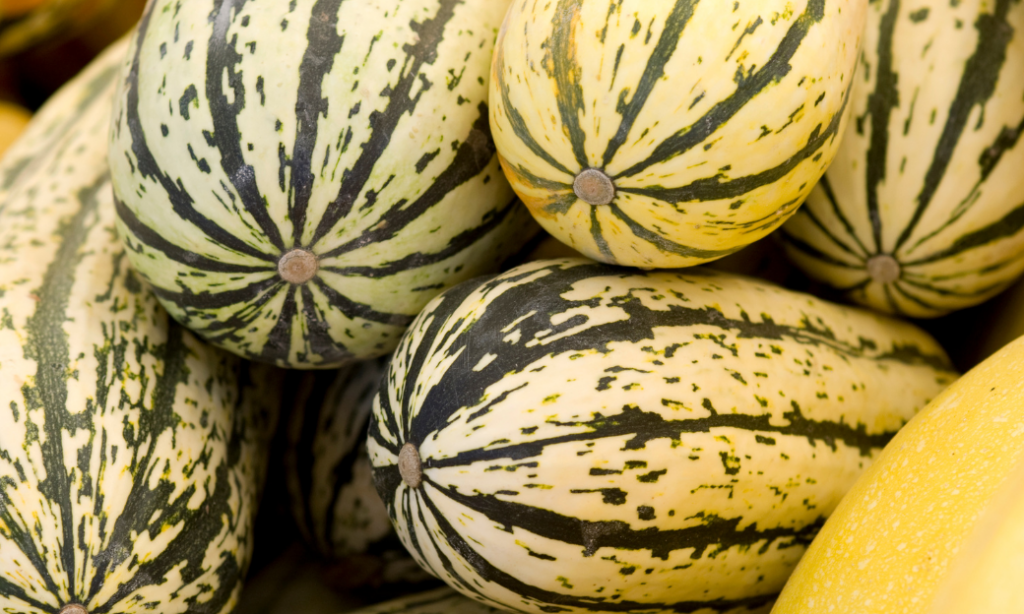
Delicata Squash
This is a variety of winter squash, which is why you only find it this time of year! Look for this special choice locally at your grocery stores and treat it like you would a sweet potato.
Nutritional benefits include:
Carotenoids The deep yellow color is thanks to the carotenoids in delicata squash. Carotenoids are anti-inflammatory, which help to support an environment in the body making cancer cells less likely to replicate.
How to enjoy:
Did you know the entire delicata squash is edible?
Roasting delicata squash is surprisingly sweet and rich, but also effortless to do. Simply slice in half lengthwise, scrape out the seeds, and slice into ½ “ rounds before roasting for 20-30 minutes at 400 degrees.
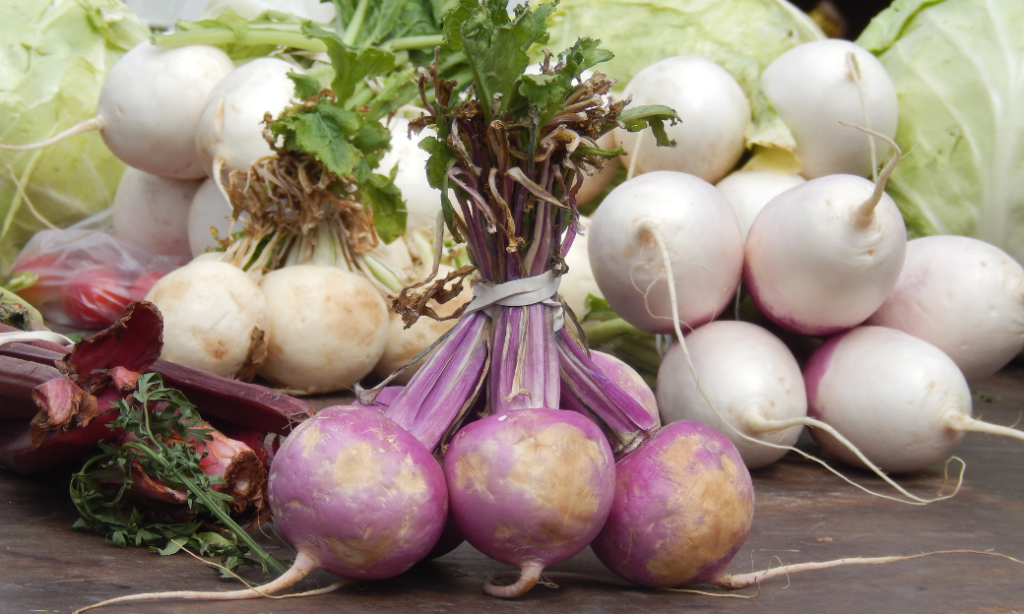
Rutabaga
A root vegetable in the mustard family, which are typically cultivated for their edible leaves and roots.
Nutritional benefits include:
Glucosinolates are sulfur compounds that are found in cruciferous veggies. They are powerful cancer fighters because they have been shown to protect against cancer cell development and prevent oxidative stress.
How to enjoy:
Enjoy fresh or cooked, they are delicious mashed, baked, or roasted. If you think they are too bitter, add some sugar to counteract the bitterness.
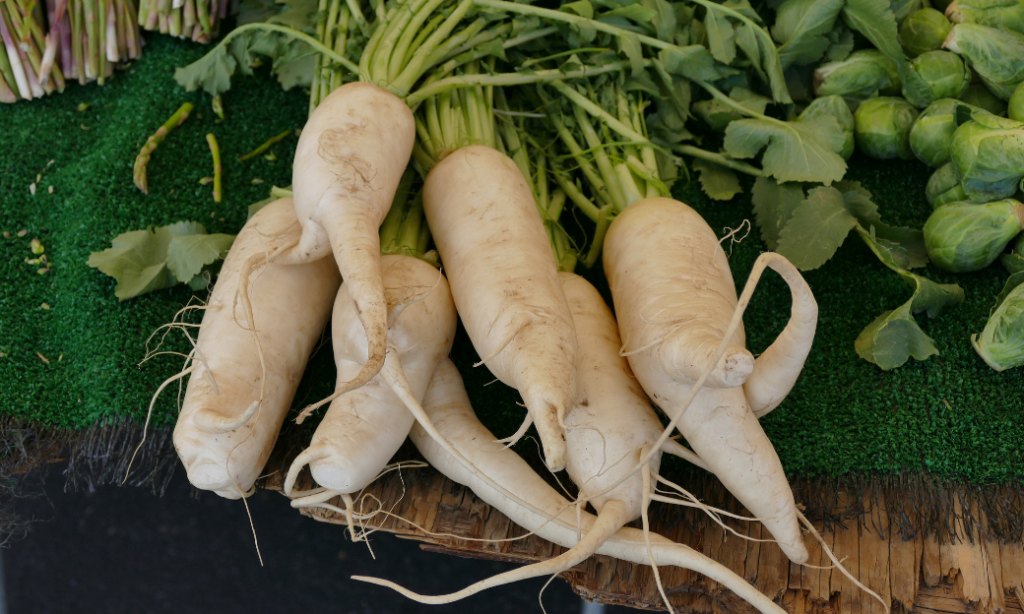
Parsnips
Contrary to popular belief, parsnips are not a genetic mutation of carrots but are botanically related.
Nutritional benefits include:
Falcarinol is a phytochemical that possesses anti-inflammatory properties
How to enjoy:
Just like all the other root vegetables, parsnips can be used in the same ways that you use any of them. Combine them with warming spices like ginger, nutmeg, cinnamon, or cardamom for flavor and a bonus of nutrition.